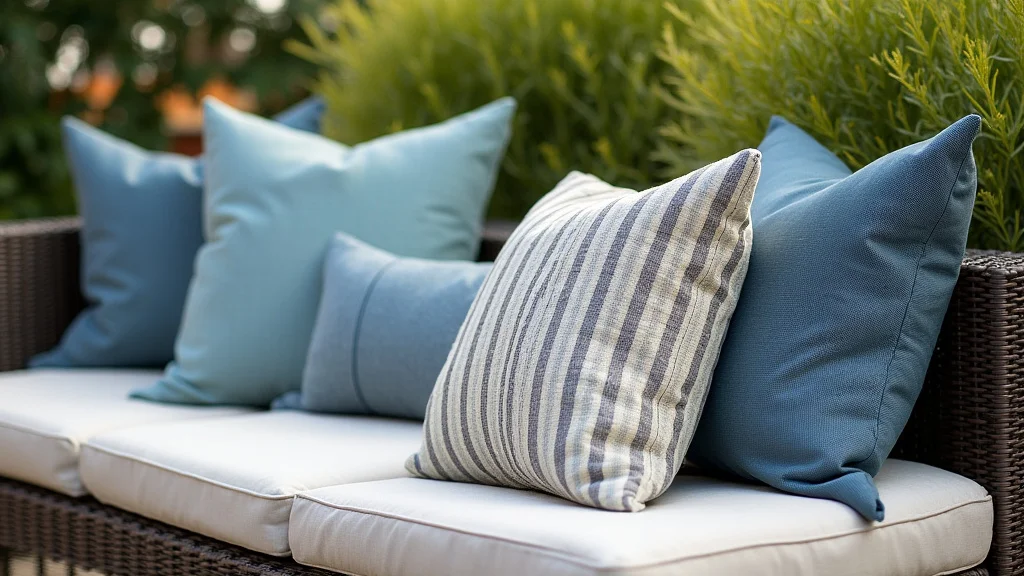
Picture this: a perfect summer afternoon, lounging on your patio, a refreshing drink in hand. Suddenly, a sudden downpour hits, leaving your outdoor furniture, and especially your pillows, soaked. Or maybe you’ve spent hours setting up your outdoor space, only to find the sun’s harsh rays fading the colors of your cushions. This can be frustrating, right? This article explores the world of pillow covers outdoor, helping you find the perfect balance of style and protection. By the end, you’ll gain valuable knowledge to protect your investments. You’ll also learn how to choose the right materials to withstand the elements and keep your outdoor living area looking its best. This post will improve your knowledge of outdoor pillow covers and help you make informed decisions.
Key Takeaways
- Discover the benefits of using protective covers for outdoor pillows.
- Learn about various durable materials that can withstand outdoor conditions.
- Understand the importance of considering design and aesthetics when selecting covers.
- Find out how to choose the right size and fit for your outdoor pillows.
- Get tips on maintaining and cleaning your pillow covers to extend their lifespan.
- Explore different styles and patterns to match your outdoor decor.
Choosing the Right Outdoor Pillow Covers
The selection of pillow covers outdoor is more than just about aesthetics; it’s about investing in the longevity of your outdoor decor and ensuring your comfort. This involves making informed decisions about materials, sizes, and maintenance. Selecting the proper covers can significantly extend the lifespan of your pillows, safeguarding them from sun damage, rain, dirt, and general wear and tear. It also enhances the overall look of your outdoor space, turning it into a comfortable and welcoming retreat.
Material Matters for Outdoor Pillow Covers
Choosing the right material is vital when picking outdoor pillow covers. Different materials offer different levels of protection and have their own unique properties. Understanding these differences will help you select the ideal covers for your needs and the environment your patio or deck is exposed to. Consider weather conditions and your personal preferences when making your choice.
- Polyester: Polyester is a popular choice for pillow covers outdoor because it is durable and water-resistant. This synthetic fabric is known for its resistance to fading from sunlight, making it ideal for sunny climates. Polyester covers are also generally easy to clean, often requiring just a quick wipe-down or a machine wash. However, while polyester is water-resistant, it may not be completely waterproof, meaning it can still absorb some moisture in heavy rain. It also might not feel as luxurious or breathable as some other fabrics.
- Acrylic: Acrylic fabric is another excellent choice, especially for those seeking enhanced water resistance and sun protection. Often treated to resist mildew, acrylic is perfect for areas with higher humidity or frequent rainfall. Acrylic fabrics often possess a high level of UV resistance, making them a great option to prevent fading. They offer a better feel than polyester, with a slightly softer and more comfortable texture. Acrylic can be a bit more expensive than polyester, so consider your budget when selecting this option.
- Olefin: Olefin is a synthetic fiber that is particularly known for its durability and resistance to stains. It’s often used in outdoor rugs and fabrics due to its quick-drying properties and resistance to mildew. Olefin is also colorfast, which means it will hold its color longer than many other materials, even with prolonged sun exposure. This material is an excellent choice for high-traffic areas where spills and stains are more likely. Due to its resistance to mold and mildew, olefin is perfect for humid climates.
- Cotton Duck/Canvas: Cotton duck or canvas is a natural fiber option that is strong and can withstand wear and tear. These fabrics are usually more breathable than synthetics, leading to enhanced comfort. However, they may need special treatment to make them water-resistant and less prone to fading. Cotton duck is often more affordable compared to acrylic or olefin. Keep in mind that cotton can be more vulnerable to mildew and mold if not properly treated or maintained.
- Blended Fabrics: Many pillow covers outdoor combine different materials to get the best of both worlds. For instance, a blend of polyester and cotton might give you the durability of polyester combined with the breathability of cotton. Similarly, blends with acrylic can offer enhanced weather resistance. It’s a great approach to get the most benefits based on the intended use. These blends often strike a balance between price, performance, and feel.
The Right Size and Fit for Your Outdoor Pillows
Picking the correct size is very important for outdoor pillow covers. Covers that are too small will be challenging to put on and might strain the seams, potentially leading to tears. Covers that are too big will appear loose and might not provide adequate protection from the elements. A well-fitted cover not only looks better but also maximizes the protection your pillows receive from the weather and other potential damage.
- Measure Your Pillows: Before purchasing, measure both the length and width of your pillows. Do this while the pillow is lying flat, and measure from seam to seam. This will give you the precise size you need when buying covers. Keep in mind that pillow shapes and sizes may vary, so this step is critical.
- Check the Cover Dimensions: Carefully review the dimensions of the pillow covers listed by the seller. Compare these to your pillow measurements. Allow for a small amount of extra space, but avoid anything that is too oversized. A slightly snug fit will ensure that the covers stay in place and offer effective protection.
- Consider Pillow Inserts: Take into account the size and shape of the pillow inserts you will be using. If you have particularly thick or fluffy inserts, you may need a slightly larger cover. Keep in mind that some pillow inserts may expand slightly after being fluffed, so leave some space for this.
- Styles and Closures: Make sure the cover style matches your needs. Envelope closures are easy to use, while zippered closures often provide a more secure fit. Consider how easy the covers are to put on and remove for washing.
Maintaining and Cleaning Your Outdoor Pillow Covers
Keeping your pillow covers outdoor clean and well-maintained is key to extending their life and keeping them looking fresh. Regular care prevents the buildup of dirt, mold, and mildew, which can degrade the fabric and impact the appearance of your outdoor space. Proper cleaning and storage ensure your covers remain in good condition for seasons.
- Regular Cleaning: Regularly clean your pillow covers to prevent dirt and debris from accumulating. This can be as simple as brushing off loose dirt and debris or wiping them down with a damp cloth. Doing this every couple of weeks will prevent issues before they begin.
- Spot Cleaning: Immediately address stains as soon as they occur. Use a mild soap and water solution to treat spots. Avoid harsh chemicals that can damage the fabric or fade the colors. Always test the cleaning solution on a small, hidden area of the cover before applying it to the entire surface.
- Washing: Follow the care instructions on the pillow cover label. Many covers can be machine washed on a gentle cycle, but some may need to be hand-washed. Use cold water and a mild detergent. Avoid using bleach, as it can damage the fabric and cause discoloration.
- Drying: Always allow your pillow covers outdoor to air dry completely. Avoid using a dryer, as the heat can cause shrinkage and damage. Hang them in a well-ventilated area, away from direct sunlight, to prevent fading.
- Storage: When not in use, store your pillow covers in a clean, dry place. This protects them from the elements and helps them stay in good condition. Consider using storage bags or containers to keep them organized and protected. Ensure they are completely dry before storing to prevent mildew growth.
Styles and Designs of Outdoor Pillow Covers
When selecting pillow covers outdoor, don’t forget the importance of style. The design of your covers should coordinate with the overall aesthetic of your outdoor space, adding personality and flair. Whether your decor is contemporary, traditional, or bohemian, there are many options to complement your existing furniture and create a cohesive and welcoming area.
- Solid Colors: Solid-colored covers are very versatile and simple to incorporate into any decor. They provide a clean and streamlined look that works well with various patterns and textures. Think about using neutral tones like white, gray, or beige for a classic look. Or try bolder colors like navy, teal, or red to make a statement.
- Patterns: Patterns are an easy way to inject some personality into your outdoor space. Consider stripes, geometric designs, florals, or tropical motifs. Choose patterns that complement the other elements in your outdoor setting, like the color of your furniture or the surrounding landscape. Mixing and matching patterns can create a stylish and visually appealing look.
- Textures: Incorporating textured covers adds depth and interest to your outdoor decor. Fabrics such as canvas, twill, or even knitted materials can provide a tactile element. Think about using textured covers in combination with solid-colored or patterned ones. Textures add a layer of sophistication and can make your outdoor space feel more inviting and interesting.
- Themed Designs: Themed designs are a fun way to reflect your personality and interests. Consider nautical themes for a coastal feel, botanical prints for a natural aesthetic, or geometric designs for a contemporary look. These themes can enhance the overall vibe of your outdoor area, creating a cohesive and inviting space.
- Customization: If you want something specific, consider customized options. You can get covers made to match your exact furniture and style preferences. This allows you to select the fabric, pattern, and size.
Common Myths Debunked
Myth 1: All outdoor pillow covers are the same.
The reality is that pillow covers outdoor vary greatly in material, quality, and features. Some are made from cheap materials and do not provide good protection. Others have advanced features like UV resistance and are made to endure harsh conditions. Always check the fabric, and read reviews to ensure you are getting a quality product.
Myth 2: You do not need to clean outdoor pillow covers.
Cleaning outdoor pillow covers is essential for keeping them looking their best. Dirt and debris can accumulate, leading to mildew, mold, and damage to the fabric. Regular cleaning, using mild soap and water or specialized cleaners, will maintain the look and performance of your covers.
Myth 3: Outdoor pillow covers are expensive.
The price of pillow covers outdoor ranges based on the material, design, and features. While some premium covers can be more expensive, a wide variety of affordable options are available. You can find excellent covers that provide great protection and style without breaking the bank. Comparing prices and checking for sales is a great idea.
Myth 4: Dark-colored covers are the best for outdoor use.
While dark colors might hide dirt and stains, they absorb more heat from the sun and can fade more quickly. Lighter colors can reflect sunlight, keeping your pillows cooler and extending their life. The best colors depend on your environment and aesthetic preferences. Choose colors that are suitable for your specific location.
Myth 5: All materials are waterproof.
Although many materials are water-resistant, they are not all waterproof. Waterproof materials create a barrier that keeps water out. Water-resistant materials often repel water, but can still absorb some moisture during heavy rain. Always check the product descriptions and material properties for water resistance. It’s important to understand the level of protection your covers provide.
Frequently Asked Questions
Question: Can I use indoor pillow covers outdoors?
Answer: It’s best to use covers that are specifically designed for outdoor use because they are often made from durable, weather-resistant materials.
Question: How often should I wash my outdoor pillow covers?
Answer: Wash your covers every few weeks, or more often if they are exposed to heavy use or the elements.
Question: What’s the best material for outdoor pillow covers?
Answer: Acrylic, polyester, and olefin are good choices, as they are durable and weather-resistant.
Question: Can I use bleach on my outdoor pillow covers?
Answer: It is generally best to avoid bleach, as it can damage the fabric and cause discoloration. Always check the care label on your covers.
Question: How do I measure my pillows for new covers?
Answer: Measure the length and width of your pillows from seam to seam while they are lying flat.
Final Thoughts
In the end, selecting the right pillow covers outdoor is an essential step in creating a comfortable and visually appealing outdoor space. From material selection to design considerations, each decision plays a vital role in protecting your pillows, enhancing the aesthetic appeal of your patio, and ensuring that you and your guests enjoy your outdoor living area for seasons to come. You now have the knowledge to choose covers that meet your lifestyle. Remember to factor in your climate, personal preferences, and the overall look you want to achieve. By keeping your pillow covers outdoor well-maintained, you’re not just safeguarding your investment; you’re also adding to your home’s appeal and your overall enjoyment. Get ready to transform your patio or deck into a stylish and inviting outdoor haven!
About the Author


