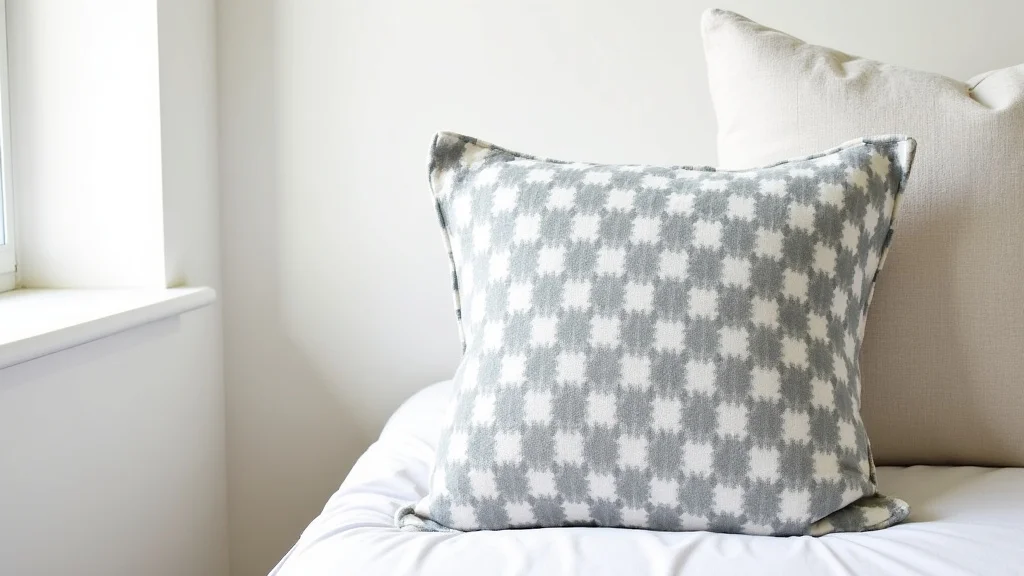
Remember that feeling of walking into a room and instantly feeling relaxed and happy? Perhaps it was a cozy living room with a comfortable sofa, or a bedroom with inviting bedding. Often, the little details, like the patterned pillow covers scattered on the furniture, are what truly tie everything together. Choosing the right decorative pillows can completely transform a space, adding personality and flair. This post is for you if you’re looking to refresh your décor with stylish patterned pillow covers. You’ll learn the best ways to select, style, and care for them, transforming your space into something truly special.
Key Takeaways
- Learn how to choose the right patterned pillow covers for your home décor.
- Discover different fabric options and their benefits for pillow covers.
- Explore various pattern styles and how to incorporate them into your design.
- Understand the correct sizes and shapes of pillows for optimal styling.
- Gain valuable tips on caring for and maintaining your patterned pillow covers.
- Find inspiration and ideas to create a visually appealing home interior with decorative pillows.
Choosing the Right Patterned Pillow Covers
The selection of patterned pillow covers is more than just picking something that looks nice; it’s about crafting a cohesive design that expresses your style. The first step involves assessing your existing décor. What colors, patterns, and textures are already present in your room? Your new pillow covers should complement these elements, creating a balanced and harmonious look. Consider the overall style of your space, too. Is it modern, traditional, bohemian, or something else entirely? This will guide your choices, helping you to narrow down your options and avoid overwhelming your space.
Assessing Your Existing Décor
Before buying new patterned pillow covers, it’s essential to survey your space. Start by taking note of the color palette. Are the walls neutral, or do they feature bold hues? Do you have solid-colored furniture or pieces with already busy patterns? Consider the current patterns and textures in your space, such as the rug, curtains, and artwork. Identifying these elements will help you choose pillow covers that either complement or contrast in a visually appealing way. A room with neutral walls and furnishings allows you more freedom with pattern choices, while a room with existing patterns may benefit from more subdued or coordinating pillow covers.
- Color Coordination: Look for colors in your existing décor that you can match or complement with your pillow covers. For example, if you have a blue sofa, consider pillow covers with shades of blue, or a contrasting color like orange.
- Pattern Compatibility: If your room already has patterns, aim for a balance. You can either choose pillow covers with complementary patterns (e.g., stripes with florals) or solid colors to provide visual rest.
- Texture Integration: Mix different textures to add depth and interest. Combine smooth, velvety pillow covers with textured ones, like linen or woven patterns.
Defining Your Style and Preferences
Your personal style should be your compass when choosing patterned pillow covers. Think about the overall atmosphere you want to create. Do you prefer a cozy, relaxed vibe or something more sophisticated and polished? Your preferences will shape your choices of colors, patterns, and fabrics. If you love a modern look, consider geometric or abstract patterns with clean lines. For a more traditional space, floral, damask, or toile patterns might be a good fit. For a bohemian feel, consider ethnic or global-inspired patterns. Choosing pillow covers that reflect your style will help create a space you’ll love to spend time in.
- Identify Your Aesthetic: Determine what styles appeal to you. Browse design magazines, websites, and social media to collect examples of rooms that you love.
- Consider the Room’s Function: Think about the room’s use. A living room might handle more durable fabrics, while a bedroom could feature softer, more luxurious materials.
- Personalize Your Space: Choose patterns that resonate with you, whether it’s a love for nature, a favorite travel destination, or a specific artistic style.
Understanding Fabric Options for Pillow Covers
The fabric of your patterned pillow covers significantly influences their appearance, feel, and durability. Different fabrics offer unique characteristics that make them suitable for various settings and styles. Natural fibers, like cotton and linen, are popular for their breathability and comfort. Synthetic options, like polyester, often provide greater durability and resistance to wear and tear. The right fabric choice involves considering both aesthetics and practical considerations, ensuring your pillow covers are both beautiful and long-lasting.
Natural Fibers
Natural fibers offer a luxurious feel and breathable quality, making them ideal for everyday use. Fabrics like cotton, linen, and silk each provide unique properties, catering to different needs and design preferences. These fibers are also often associated with a more sustainable approach, as they are derived from plants or animals. Understanding the properties of each natural fiber can help you make an informed decision and select pillow covers that enhance both the aesthetics and comfort of your space.
- Cotton: This versatile fabric is soft, breathable, and relatively affordable. It is easy to care for and comes in various weaves and weights.
- Linen: Known for its textured appearance and breathability, linen is durable and offers a relaxed, casual feel. It is ideal for warmer climates and adds a touch of elegance.
- Silk: Silk is luxurious and smooth, providing a high-end look and feel. It is delicate and requires special care, making it suitable for decorative pillows used in less active settings.
Synthetic Fabrics
Synthetic fabrics provide durability and ease of care, making them excellent choices for high-traffic areas or homes with children and pets. Fabrics such as polyester, microfiber, and acrylic offer benefits like stain resistance, wrinkle resistance, and affordability. These fabrics often mimic the appearance of natural fibers while providing enhanced practicality. Choosing synthetic fabrics can be a great way to balance aesthetics with functionality and ensure your patterned pillow covers withstand everyday wear and tear.
- Polyester: Durable and wrinkle-resistant, polyester is a versatile option that is often used in combination with other fibers to improve the performance of pillow covers.
- Microfiber: Soft and often stain-resistant, microfiber is a great choice for a luxurious feel without the high maintenance of natural fibers.
- Acrylic: Acrylic is a synthetic fiber that mimics the look and feel of wool. It’s often used in outdoor pillow covers due to its weather resistance.
Exploring Pattern Styles for Pillow Covers
Patterned pillow covers come in a wide array of styles, allowing you to tailor your décor to your unique tastes. From classic stripes and florals to contemporary geometrics and abstract designs, the possibilities are vast. Understanding different pattern styles and how they interact with each other is key to creating a cohesive and visually appealing space. Experimenting with various patterns can add personality and depth to your home. The right combination can transform your space from simple to sensational.
Classic Patterns
Classic patterns have endured for their timeless appeal and versatility. These patterns, like stripes, florals, and damask, can be seamlessly incorporated into various design styles, from traditional to modern. Their familiar designs offer a sense of comfort and sophistication. Understanding the history and use of these patterns can help you create a classic, elegant, and inviting space. These patterns provide a foundation for creating an interior design that is both stylish and enduring.
- Stripes: Stripes offer a clean and versatile look, adding visual interest without overwhelming. They can be used to elongate a space horizontally or vertically, depending on their orientation.
- Florals: Floral patterns bring a touch of nature and a romantic feel. They can range from delicate, understated designs to bold, statement-making prints.
- Damask: Known for its intricate, woven patterns, damask adds a touch of luxury and elegance. It’s perfect for creating a classic, sophisticated look.
Contemporary and Modern Patterns
Contemporary and modern patterns emphasize clean lines, geometric shapes, and abstract designs. These patterns bring a fresh and stylish aesthetic to any room. Using contemporary patterns can make a statement and create a space that feels both stylish and modern. They work well in minimalist or modern interiors, providing visual interest without competing with other design elements. These designs often utilize bold colors and unconventional arrangements.
- Geometric: Geometric patterns feature shapes like squares, triangles, and circles. They add structure and visual interest to a space.
- Abstract: Abstract patterns offer a more artistic and unique feel, often featuring non-representational designs and creative color combinations.
- Color Blocking: Color blocking involves using blocks of solid colors to create a modern and visually striking effect.
Determining Pillow Sizes and Shapes
The size and shape of your patterned pillow covers play a critical role in the overall aesthetic and comfort of your space. Varying pillow sizes and shapes can add depth and visual interest to your furniture arrangement. Understanding how to use different pillow sizes, from small accent pillows to large lumbar support pillows, can help you create a balanced and inviting setting. The right mix of shapes and sizes can transform a basic couch or bed into a stylish and comfortable focal point.
Standard Pillow Sizes
Standard pillow sizes are readily available and easily incorporated into a variety of furniture settings. Knowing the measurements of these common sizes will ensure you can achieve the desired look and comfort level. Consider the overall size of your furniture when choosing pillow sizes. Small pillows can be used as accents, while larger ones provide essential support and visual weight. Layering different sizes will create a dynamic arrangement that looks both stylish and functional. Common pillow sizes include square pillows (16×16 inches, 18×18 inches, 20×20 inches, and 26×26 inches) and rectangular pillows (12×20 inches and 14×24 inches).
- 16×16 Inches: These are great for adding small touches of pattern without overwhelming the space. They work well in pairs or as a secondary accent.
- 18×18 Inches: The most versatile size, these pillows are perfect for sofas and chairs. They offer good support and are easy to style.
- 20×20 Inches: Ideal for larger sofas and beds, these pillows make a more significant visual impact.
- 26×26 Inches: Euro shams or oversized pillows, these add a touch of luxury and fill out the space on large beds.
Unique Pillow Shapes
Unique shapes of patterned pillow covers can add personality and flair. These unusual shapes, such as lumbar, bolster, and round pillows, bring variety to your design. When choosing these styles, consider the overall balance and how they complement the other pillow shapes. The strategic use of unique shapes can transform an ordinary space into something extraordinary. This variation in form is critical for creating a visually interesting and stylish room.
- Lumbar Pillows: These long, rectangular pillows are perfect for adding back support and creating a modern look. They are ideal for sofas, chairs, or beds.
- Bolster Pillows: Cylindrical in shape, bolster pillows add a touch of elegance and are great for decorating beds and sofas.
- Round Pillows: These are a playful and unique accent, providing a soft contrast to the other shapes.
Caring for and Maintaining Your Patterned Pillow Covers
Proper care and maintenance are key to preserving the beauty and longevity of your patterned pillow covers. Different fabrics require different approaches, but understanding how to clean and protect them will keep them looking their best. Regular care extends the lifespan of your pillow covers, ensuring they continue to enhance your décor for years. These practices will also help maintain their color and texture, keeping your space fresh and inviting.
Cleaning and Washing Instructions
Cleaning and washing your patterned pillow covers according to their fabric type is important for maintaining their look and feel. Always check the care label on your pillow covers to determine the appropriate washing instructions. Some fabrics are machine washable, while others require dry cleaning or hand washing. Avoiding harsh chemicals and extreme temperatures will prevent damage and discoloration. Careful cleaning will keep your pillow covers fresh and looking great.
- Machine Washable Fabrics: Wash in cold water on a gentle cycle. Use a mild detergent and avoid bleach. Tumble dry on low or air dry.
- Dry Clean Only: Take your pillow covers to a professional dry cleaner for best results. This is essential for delicate fabrics like silk or those with embellishments.
- Hand Wash: Fill a basin with cold water and a mild detergent. Gently wash the pillow covers, rinse thoroughly, and air dry.
Protecting Your Pillow Covers
Protecting your patterned pillow covers will help them last longer and maintain their appearance. Consider these steps to keep them in good shape. Preventing stains, protecting them from direct sunlight, and proper storage are all good practices to follow. Using the right techniques can help you preserve the vibrancy of your pillow covers and keep them in good condition for the long term.
- Stain Prevention: Use a stain repellent spray to protect your pillow covers from spills and stains.
- Sunlight Protection: Position your pillows away from direct sunlight to prevent fading.
- Storage: Store your pillow covers in a dry, cool place when not in use. Consider using breathable storage bags.
According to the American Cleaning Institute, proper care of your textiles, including pillow covers, can extend their lifespan by up to 50% (American Cleaning Institute, 2023).
Common Myths Debunked
Myth 1: All Pillow Covers Are Easy to Clean
Many believe all patterned pillow covers can be easily tossed in the washing machine. However, the reality is that cleaning methods depend on the fabric type. Some delicate fabrics, such as silk or those with special embellishments, often require dry cleaning. Always check the care label before washing.
Myth 2: Bright Colors Will Fade Quickly
A common misconception is that brightly colored patterned pillow covers will fade rapidly. While some fading is natural over time with sun exposure, using quality fabrics and taking care to protect them from direct sunlight can help preserve the vibrancy of the colors. Using stain-resistant sprays is also a great idea.
Myth 3: You Can’t Mix Patterns
Many are hesitant to mix patterns, fearing it will make the room look chaotic. The truth is you can confidently mix patterned pillow covers if you choose patterns that share a common color palette or similar scale. The key is balance. Start with a neutral base and add patterns strategically to create visual interest.
Myth 4: Expensive Pillow Covers Are Always Better
While price can sometimes indicate quality, the most expensive patterned pillow covers aren’t always the best. Look beyond the price tag and consider factors like fabric quality, construction, and design. There are plenty of great pillow covers in various price ranges that offer great value.
Myth 5: All Pillow Covers Need to Be Fluffed Daily
The belief that you must fluff your patterned pillow covers daily to keep them looking fresh isn’t always true. While some pillows benefit from occasional fluffing, the need depends on the fill material and usage. Some synthetic fills retain their shape well, while others, like down, may require more frequent maintenance.
Frequently Asked Questions
Question: Can I use different sized pillows on a sofa?
Answer: Yes, layering different sizes adds visual interest. Start with a larger size at the back, followed by smaller ones in front.
Question: What’s the best fabric for outdoor patterned pillow covers?
Answer: Look for weather-resistant fabrics like acrylic or solution-dyed polyester for outdoor use.
Question: How often should I wash my patterned pillow covers?
Answer: It depends on usage. Wash them every few months, or more frequently if they get heavy use or stains.
Question: Can I change the covers on my existing pillows?
Answer: Absolutely, pillow covers are a fantastic way to refresh your décor without replacing the entire pillow.
Question: Where can I find affordable patterned pillow covers?
Answer: Many retailers offer great options in different price ranges. Check online stores, discount retailers, and home décor shops.
Final Thoughts
Choosing the perfect patterned pillow covers involves considering many elements. Start with your existing décor and define your style. Explore various fabric options, from the breathability of cotton to the durability of polyester. The world of patterns offers limitless possibilities, so experiment with stripes, florals, geometrics, and more. Don’t underestimate the impact of size and shape, as they play an important role in the overall look. Take proper care of your pillow covers to ensure they look their best for years. By following these guidelines, you’ll be well on your way to creating a space that looks stunning and feels welcoming. Go ahead, explore different styles and colors, and let your personality shine. Your perfect décor is within reach!
About the Author


