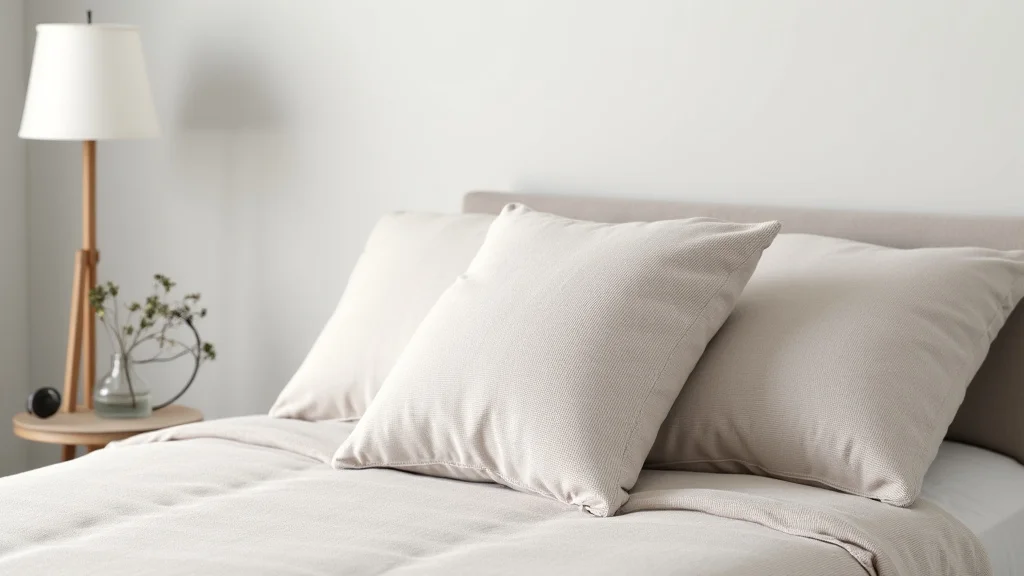
Remember that time you spent hours agonizing over the perfect sofa, only to realize the pillows you had were completely mismatched? It’s a common decorating dilemma! Choosing the right pillow cover design is a key element in tying a room together. This guide will explore the essentials of pillow cover design to help you transform your living space into a stylish and comfortable haven. You’ll gain a solid grasp of fabrics, styles, and sizes, so you can make informed decisions. This information will help boost your home decor game, reduce time spent feeling overwhelmed and ultimately increase engagement and enjoyment in your home improvement projects.
Key Takeaways
- Learn the fundamentals of various fabric choices for pillow covers.
- Discover the best pillow cover designs for different interior styles.
- Master the art of mixing and matching pillow cover patterns and colors.
- Understand the importance of pillow cover size and shape in decor.
- Find helpful tips for maintaining and cleaning your pillow covers.
- Explore where to find quality pillow covers and materials for DIY projects.
Choosing the Right Pillow Cover Fabrics
Fabric selection is a crucial part of pillow cover design. The material impacts both the look and feel of your pillows. Selecting the correct fabric also determines the durability and care requirements. Consider the room’s function and the amount of use the pillows will endure. Certain fabrics are better suited for specific uses, whether for decorative purposes or everyday comfort. Let’s explore several popular fabric choices and their benefits.
Cotton Pillow Covers
Cotton remains a perennially popular choice because of its versatility and accessibility. It’s a natural fiber known for its breathability, making it ideal for warmer climates and everyday use. Cotton is relatively affordable, easy to care for, and comes in a wide variety of weights, weaves, and finishes. From lightweight percale to heavier canvas, cotton can accommodate nearly any style preference. Keep in mind that cotton can wrinkle, so consider washing and ironing to maintain a smooth look.
- Breathability: Cotton’s natural fibers allow air to circulate, contributing to a cooler, more comfortable feel.
- Affordability: Cotton is usually a budget-friendly option, providing excellent value for its price.
- Versatility: Cotton fabrics come in various weights and weaves, suitable for different decorative styles.
- Ease of Care: Cotton is typically machine washable and easy to maintain.
A good example of cotton’s use can be seen in a simple, minimalist living room. Lightweight cotton percale pillow covers in solid colors create a fresh, uncluttered aesthetic. They offer comfort and simplicity that complements the overall design. On the other hand, cotton canvas, known for its sturdiness, provides a perfect base for outdoor pillows. Its durability stands up to frequent use and exposure to the elements.
Linen Pillow Covers
Linen is another natural fiber, renowned for its luxurious feel and casual elegance. It’s made from the flax plant and has a slightly textured appearance. Linen is incredibly durable and becomes softer with each wash. It is breathable and offers a cool surface, making it an excellent choice for pillows in any season. Linen is more expensive than cotton, but it also provides a distinctive aesthetic appeal. Linen often has a beautiful drape that enhances the pillow’s appearance. The wrinkled quality is often prized for its relaxed, lived-in feel.
- Durability: Linen is exceptionally strong and can withstand wear and tear.
- Breathability: Like cotton, linen allows air to flow, helping to regulate temperature.
- Luxurious Appearance: Linen’s distinctive texture and drape add sophistication.
- Softness: Linen becomes softer with each wash, offering increased comfort over time.
Imagine a coastal-themed bedroom featuring linen pillow covers in soft, neutral tones. The slightly rumpled look of linen complements the serene atmosphere of the space. It gives a sense of effortless style. In contrast, consider a rustic living room with textured linen pillow covers in earthy tones. The fabric’s natural beauty blends well with wooden furniture and other natural materials. In contrast to this, the fabric also provides a great choice for a modern, minimalistic space.
Silk Pillow Covers
Silk is the epitome of luxury, offering an unmatched smoothness and elegance. Known for its lustrous sheen and delicate feel, silk pillow covers are a popular choice for adding a touch of sophistication to any space. Silk is a natural protein fiber produced by silkworms. It’s gentle on the skin and hair, reducing friction and minimizing sleep creases. However, silk requires more careful handling and should be hand-washed or professionally cleaned to maintain its quality.
- Luxurious Feel: Silk’s smooth texture offers a luxurious and indulgent experience.
- Gentle on Skin: Silk’s low-friction surface minimizes skin irritation and sleep lines.
- Elegant Appearance: Silk’s natural sheen adds a touch of glamour.
- Temperature Regulating: Silk can help to regulate temperature, providing comfort in both warm and cool environments.
Consider a glamorous bedroom setting where silk pillow covers add a touch of sophistication to the decor. Silk provides an opulent contrast to other textures and adds visual interest. They can be found in rich jewel tones or soft pastels. Alternatively, in a minimalist, modern space, a silk pillow cover in a neutral color can serve as a luxurious accent. The contrast between the sleek lines and the smooth silk creates an elevated, refined feel. Think of a dark blue or deep emerald for an intense effect.
Polyester Pillow Covers
Polyester is a synthetic fabric valued for its durability, wrinkle resistance, and affordability. It’s easy to care for and can withstand regular use. Polyester is often used for pillow covers due to its ability to retain its shape and color. It’s an excellent choice for high-traffic areas or homes with children and pets. Although not as breathable as natural fibers, modern polyester fabrics are designed to mimic the feel of natural materials. They offer a good balance of practicality and style.
- Durability: Polyester is strong and resistant to wear and tear.
- Wrinkle Resistance: Polyester retains its shape and resists wrinkles, requiring less maintenance.
- Affordability: Polyester is a cost-effective option, making it accessible to many budgets.
- Easy Care: Polyester is typically machine washable and can be easily maintained.
Envision a family living room. Polyester pillow covers in vibrant colors or patterns are practical and durable for everyday use. They’re easy to clean, resisting stains and wear. They’re a fantastic choice for homes with pets or children. In a guest bedroom, polyester pillow covers offer a combination of style and low maintenance. They provide a welcoming look without requiring constant upkeep. Try using them in a fun, youthful space.
Velvet Pillow Covers
Velvet adds a sense of opulence and luxury to any space. It’s characterized by its soft, dense pile that creates a rich, inviting texture. Velvet is often made from silk, cotton, or synthetic fibers. It adds a touch of sophistication and creates a cozy atmosphere. Velvet pillow covers are ideal for adding a touch of drama to a room. They can also add a sense of luxury. Although velvet requires a bit more care, it makes a significant impact on a room’s overall design.
- Luxurious Texture: Velvet’s soft, dense pile adds visual and tactile appeal.
- Elegant Appearance: Velvet brings sophistication and adds depth to a room’s decor.
- Variety of Colors: Velvet comes in a rich range of colors, allowing for bold or subtle design statements.
- Creates a Cozy Atmosphere: Velvet’s inviting feel makes a space feel warm and comfortable.
Picture a classic, traditional living room. Velvet pillow covers in deep, jewel-toned colors complement the furniture and add to the room’s luxurious vibe. They create an inviting setting for guests. Alternatively, a modern space can benefit from velvet accents. Consider a charcoal gray or a bold, vibrant hue to add contrast. These pillow covers provide texture and depth to a minimalist, modern space.
Design Styles and Pillow Cover Inspiration
Pillow cover design plays a significant role in defining the character of a room. The style of your pillow covers should reflect the overall theme and aesthetic you want to create. From classic and timeless to modern and bohemian, there’s a pillow cover design to suit every decor preference. Let’s delve into different design styles and find out how pillow covers can enhance each space.
Classic and Traditional Design
Classic and traditional spaces focus on elegance and timelessness. These spaces often incorporate symmetrical arrangements, rich colors, and high-quality materials. Pillow covers in this style might feature intricate patterns, such as damask or floral prints. They might also include embellishments like tassels or embroidery. The color palettes tend to be muted, with a focus on neutrals and deep, rich tones. These create a sense of sophistication and refined beauty.
- Color Palette: Neutrals like ivory and beige paired with deep blues, greens, and burgundies.
- Patterns: Damask, floral prints, and traditional stripes.
- Textures: Velvet, silk, and brocade.
- Embellishments: Tassels, piping, and decorative buttons.
Consider a living room with a neutral-colored sofa. Decorate with a combination of velvet pillow covers in a deep navy blue and ivory damask pillows. Add some tassel-edged pillows in a coordinating color. This combination enhances the room’s elegance and provides a sense of formality. Or, think of a bedroom with a four-poster bed. Use silk pillow covers in a subtle floral pattern, framed with a contrasting piping. They add a touch of luxury and charm. The design maintains a sense of timeless elegance.
Modern and Minimalist Design
Modern and minimalist design emphasizes clean lines, uncluttered spaces, and neutral color palettes. Pillow covers in this style focus on simplicity and functionality. They tend to feature solid colors, geometric patterns, or subtle textures. The designs should be sleek and understated. They should complement the overall aesthetic without being too overwhelming. The color palettes include white, gray, and black, with occasional pops of brighter hues.
- Color Palette: Neutrals like white, gray, and black, with occasional bold accents.
- Patterns: Geometric patterns, solid colors, and subtle textures.
- Textures: Smooth cotton, linen, and minimalist velvet.
- Embellishments: Minimal or no embellishments, clean lines.
Picture a living room with a gray sectional sofa. Add pillow covers in solid, neutral tones like white and charcoal gray, along with some with geometric patterns. This complements the clean lines of the furniture. Or, a minimalist bedroom with a white bed frame can use linen pillow covers in different shades of gray. This creates a cohesive, modern look that doesn’t overwhelm the space. The design stays focused on simplicity.
Bohemian Design
Bohemian design is all about embracing a relaxed, eclectic, and free-spirited vibe. This style features vibrant colors, global patterns, and a mix of textures. Pillow covers in bohemian spaces often incorporate intricate patterns, such as tribal prints, paisleys, and tie-dye designs. They could be made from a variety of materials, from cotton and linen to silk and velvet. The use of natural materials and handcrafted elements adds an authentic, lived-in feel.
- Color Palette: Vibrant colors like oranges, blues, and greens, mixed with earthy tones.
- Patterns: Tribal prints, paisleys, tie-dye, and global patterns.
- Textures: Cotton, linen, silk, velvet, and fringing.
- Embellishments: Tassels, fringes, and embroidered details.
Think of a living room with a neutral-colored sofa. Use pillow covers with a mix of tribal patterns in vibrant colors and textures. This instantly adds a bohemian charm. Consider a bedroom with a mix of patterns and textures, using linen and cotton pillow covers with tassels. They create an inviting, eclectic space that’s full of personality. The design is intended to add character.
Coastal and Nautical Design
Coastal and nautical styles create a relaxed, airy atmosphere reminiscent of the beach. These spaces usually incorporate light, neutral colors, such as whites and blues, and natural materials like wood and linen. Pillow covers in this style often feature nautical patterns, such as stripes, anchors, and seashells. They are made from materials like cotton and linen. The designs should reflect a sense of tranquility and the outdoors.
- Color Palette: Whites, blues, and sandy neutrals.
- Patterns: Stripes, anchors, seashells, and coastal motifs.
- Textures: Cotton, linen, and textured weaves.
- Embellishments: Rope details, nautical-themed buttons.
Visualize a living room with a white slipcovered sofa. Add pillow covers in shades of blue and white, featuring nautical stripes or anchor motifs. This combination evokes a coastal feel. Imagine a bedroom with a wooden headboard, using linen pillow covers in sandy tones. They will have a subtle, textured weave. These provide a relaxed feel to the space. The design enhances the serene atmosphere.
Mixing and Matching Pillow Cover Patterns and Colors
Combining patterns and colors to create a visually appealing arrangement is key when designing pillow cover design. It’s an opportunity to show off your creativity. The goal is to create a cohesive and harmonious look that enhances your room’s overall aesthetic. Careful planning ensures that your selection of patterns and colors will harmonize, rather than compete with each other. Here’s how to create stylish and appealing pillow combinations.
Understanding Color Theory
Color theory helps us understand how colors interact with each other. Familiarity with color relationships helps you create balanced and visually pleasing designs. Start with the color wheel: it shows how different colors are related and how they can work together. Use complementary colors, which are opposite each other on the wheel. Or, you can use analogous colors, which are next to each other. By using the color wheel, you will find color combinations that suit your style.
- Complementary Colors: Colors opposite each other on the color wheel (e.g., blue and orange).
- Analogous Colors: Colors next to each other on the color wheel (e.g., blue, blue-green, and green).
- Monochromatic Colors: Different shades and tints of a single color.
- Neutral Colors: Whites, grays, and beiges provide a versatile base.
Consider a living room with a gray sofa. Use pillow covers in a monochromatic scheme of blues, ranging from light sky blue to deep navy. These create depth and visual interest without overwhelming the space. In a contrasting scenario, use a yellow sofa, and combine it with a complementary color scheme of purple pillow covers. The bold contrast immediately grabs attention. This showcases color theory in action.
Combining Patterns
Mixing patterns can add visual interest and personality to a space. However, it’s easy to go overboard, so be careful to ensure harmony. The key is to balance different patterns effectively. Combine different scales, patterns with similar colors, or incorporate solid colors to create a cohesive look. When mixing patterns, start with a dominant pattern and complement it with supporting ones. This ensures a balanced arrangement that doesn’t feel overwhelming. Use a variety of textures for a rich, layered effect.
- Vary Scale: Mix large-scale patterns with small-scale ones.
- Use Similar Colors: Keep patterns in a consistent color palette.
- Incorporate Solids: Use solid-colored pillows to provide breaks and balance.
- Mix Textures: Combine patterns with textured fabrics.
Imagine a living room with a floral sofa. Pair it with striped and solid-colored pillow covers in colors that match the floral design. The stripes provide a structured element. These offer visual interest without clashing with the floral pattern. In contrast, in a more subtle approach, a geometric patterned pillow cover would balance with a solid color. It will enhance the overall aesthetic and create a harmonious, curated arrangement.
Creating a Cohesive Look
Creating a cohesive arrangement involves making sure all the elements in your design work well together. The goal is to tie all the elements together. Using a consistent color palette, repeating patterns, and using similar textures are all key strategies. They make the space feel harmonious and well-coordinated. When planning your pillow arrangement, think about the overall mood you want to create and select patterns and colors that reflect that vision.
- Consistent Color Palette: Use a consistent color scheme throughout your pillow arrangement.
- Repeat Patterns: Repeat a pattern in different sizes or scales.
- Use Similar Textures: Use textures like velvet or linen to complement each other.
- Consider the Room’s Aesthetic: Ensure your pillow arrangement fits with the room’s design style.
For example, a living room with a blue and white theme can feature striped pillow covers, solid blue covers, and covers with blue and white geometric patterns. By repeating colors and patterns, the entire arrangement looks cohesive. Or, create a harmonious bedroom design using pillow covers in a similar color palette, like soft pastels. Each pillow complements the others, creating a serene and inviting space. The design creates a space that feels calm and connected.
Pillow Cover Size, Shape, and Placement
The size, shape, and placement of pillow covers significantly affect a room’s aesthetic. Selecting the appropriate dimensions and arranging them properly can enhance the visual appeal and comfort of your space. Consider the size of your furniture, the overall style of the room, and the desired functionality. From square to lumbar and bolster pillows, understanding these factors will help you create a balanced, inviting environment.
Choosing the Right Sizes
Pillow sizes vary. The best choice depends on your furniture and the overall design scheme. Standard sizes include 16×16 inches, 18×18 inches, 20×20 inches, and 22×22 inches. These are the most common sizes for square pillows, suitable for sofas, beds, and chairs. Consider the size of the piece of furniture. A larger sofa or bed might need larger pillows to avoid looking undersized. Remember the overall space as well. A small room can be overwhelmed by too many large pillows.
- 16×16 inches: Good for accent pillows on smaller furniture.
- 18×18 inches: A versatile size for various seating arrangements.
- 20×20 inches: Commonly used on sofas and beds for a balanced look.
- 22×22 inches: Ideal for larger sofas or as statement pieces.
- Lumbar Pillows: Rectangular pillows, great for back support.
Imagine a large sectional sofa. Use two 22×22 inch pillows as the foundation of your design. Next, add a couple of 20×20 inch pillows to create balance. This will create a well-proportioned appearance. On the other hand, in a small armchair, two 16×16 inch pillows or a single 18×18 inch pillow provide comfort. They also avoid overwhelming the seating area. The sizes add visual appeal.
Shapes and Arrangements
Pillow shapes are an important element in your design. They add visual interest and functionality. You can select from a variety of shapes: square, rectangular (lumbar), and bolster pillows. They can be combined to achieve different aesthetics. The arrangement of pillows should complement the furniture and enhance the overall style of the room. This will create a balanced and functional display.
- Square Pillows: Versatile, work well in various arrangements.
- Lumbar Pillows: Rectangular, used for back support and adding contrast.
- Bolster Pillows: Cylindrical, can be used for added support or decorative accents.
- Arrangement: Consider symmetry, balance, and visual appeal.
Envision a bed with a combination of different shapes. Start with two large square pillows, then add some lumbar pillows for support. Finish with some bolster pillows to add a decorative touch. This layering adds depth and visual interest. In a simpler setup, arrange three square pillows in an asymmetric layout to add visual appeal. Use a lumbar pillow in the middle to create a balanced look. The design creates a well-curated space.
Placement Strategies
The placement of pillow covers affects your room’s comfort and aesthetic appeal. Your design strategy should involve both form and function. Consider how the pillows will be used, whether for lounging, sleeping, or decorative purposes. The goal is to create an arrangement that’s inviting and practical. Consider the size of your furniture, the number of pillows, and the overall style of your room when creating a good pillow arrangement.
- Symmetrical Arrangements: Place matching pillows on each side for a formal look.
- Asymmetrical Arrangements: Mix and match pillows for a more casual, eclectic style.
- Layering: Place larger pillows at the back and smaller pillows in front.
- Consider Functionality: Ensure pillows offer comfortable support.
In a living room, place two matching square pillows at the ends of your sofa for a formal effect. Add a lumbar pillow in front to break up the pattern. This adds visual interest. On the other hand, in a more relaxed arrangement, start with a larger pillow in the back, followed by a smaller one. Then add a lumbar pillow in front. This creates a cozy, inviting look. The design enhances the room’s charm.
Caring for and Maintaining Pillow Covers
Maintaining your pillow cover design requires the appropriate care. Regular cleaning and careful handling extend the life of your pillow covers. You can maintain your decor with minimal effort. The type of fabric used for the pillow covers determines the best cleaning methods. Understanding how to care for different materials will preserve their look and feel. They will also ensure your designs are long-lasting.
Washing and Cleaning Methods
Washing methods vary based on the fabric. Some pillow covers are machine washable, while others need hand washing or professional cleaning. Always check the care label on your pillow covers before cleaning. Cotton and polyester pillow covers are generally machine washable. Use cold water and a gentle cycle to prevent shrinking and damage. Linen covers also benefit from gentle washing. Silk and velvet require hand washing or professional cleaning.
- Machine Washable Fabrics: Cotton, polyester, some linen.
- Hand Wash Only Fabrics: Silk, velvet, and delicate fabrics.
- Professional Cleaning: Recommended for intricate designs and fabrics.
- Follow Care Labels: Always follow the manufacturer’s instructions.
For machine-washable cotton pillow covers, start by pre-treating any stains before washing. Then, use cold water and a gentle detergent. Dry the covers on a low setting or hang them to air dry. To care for delicate silk pillow covers, hand wash them in lukewarm water. Use a mild detergent designed for delicates. Gently rinse and air dry them away from direct sunlight. The cleaning method maintains the cover’s beauty.
Stain Removal and Prevention
Promptly address stains to keep your pillow covers in good condition. You can keep your pillow covers pristine by removing stains promptly. First, blot the stain gently with a clean cloth. Apply a stain remover suitable for the fabric type. For many stains, a mixture of water and vinegar can work well. Always test the solution on an inconspicuous area first. This can prevent damage. Implement stain prevention measures to make your pillows last longer.
- Blot Stains Promptly: Avoid rubbing, which can spread the stain.
- Use Appropriate Stain Removers: Choose cleaners designed for the fabric.
- Test in an Inconspicuous Area: Check for colorfastness before full treatment.
- Protect with a Cover: Use protective covers to prevent stains.
To treat a grease stain on a cotton pillow cover, apply a small amount of dish soap to the stain and gently rub. Then, wash the cover as usual. To prevent stains, consider using removable protective covers. These can be washed separately. To remove food stains, consider a mild solution of water and vinegar. Blotting the stain carefully is always a good practice. This prevents future issues with your pillow cover design.
Storage and Maintenance
Proper storage is essential for extending the life of your pillow covers. When not in use, keep your pillow covers in a clean, dry place to prevent damage. Consider storing them in a storage container, or a pillowcase to protect them from dust and sunlight. Regularly maintain your pillow covers by inspecting them for any signs of wear and tear. Promptly address any rips or loose seams. This also ensures your pillows remain fresh and attractive.
- Store in a Clean, Dry Place: Protect from dust and moisture.
- Use Storage Containers: Protect the covers from damage.
- Inspect Regularly: Check for wear and tear.
- Address Damage Promptly: Repair rips or loose seams.
Store your seasonal pillow covers in a storage container or pillowcase during the off-season. This keeps them clean and protected. You can also regularly inspect your pillow covers for any damage. Check for loose seams or tears, and make repairs immediately. This will help them last. These efforts keep your pillow covers looking their best.
Common Myths Debunked
Myth 1: You Have to Spend a Fortune on Pillow Covers
The belief that you need to spend a lot of money to get stylish pillow covers is incorrect. The market provides a range of affordable options. You can find beautiful, high-quality pillow covers in a variety of materials and designs. Explore the market. There are many cost-effective choices. Look at different retailers and online stores to see how prices vary. The secret is to know your budget. This helps you to find great deals.
Myth 2: All Pillow Covers Need to Match
The idea that all pillow covers must match is a common misconception. Mix-and-matching offers a more interesting and visually appealing look. The use of different patterns, colors, and textures can enhance the design. A great design comes from a blend of styles and colors. The goal is to bring together the various elements. You can create a well-designed interior through planning and careful selection.
Myth 3: Silk Pillow Covers Are Difficult to Maintain
It’s not always true that silk pillow covers are hard to maintain. While silk requires careful handling, the modern silk material is quite durable. Hand washing is often the best option. However, with gentle care, silk can be cleaned and maintained easily. Follow the care instructions for your silk pillow covers. This helps keep them looking good. You will extend their life if you do.
Myth 4: Dark-Colored Pillow Covers Make a Room Feel Small
The belief that dark-colored pillow covers automatically make a room feel smaller is not entirely correct. Dark colors create a cozy environment. The right lighting is essential. You can make dark colors work in a space with proper lighting. Use dark pillow covers to bring a warm and inviting vibe. You can use lighter colors to balance out the look. Consider how the other elements can impact the room’s atmosphere.
Myth 5: You Can’t Mix Patterns in Pillow Design
The myth that you can’t mix patterns in pillow design is false. Mixing patterns adds flair and visual interest to a space. The key is to balance the different designs effectively. Create a balance by focusing on the color schemes and the scale of the patterns. You can create a curated, cohesive design with careful planning and selection. You can enhance your space with these features.
Frequently Asked Questions
Question: Can I use different sized pillows on a sofa?
Answer: Yes, mixing different sizes can enhance visual interest and offer functional benefits. Combine larger pillows at the back with smaller ones in front.
Question: Are pillow covers washable?
Answer: It depends on the fabric. Check the care label: cotton and polyester are usually machine washable, while silk and velvet may require hand washing or professional cleaning.
Question: How do I choose the right color for my pillow covers?
Answer: Consider your room’s color scheme and overall style. Use the color wheel to help you pick colors that complement each other.
Question: What is the best way to arrange pillows on a bed?
Answer: Start with larger pillows at the back, followed by smaller ones in front. Add lumbar or decorative pillows for a finished look.
Question: How can I prevent my pillow covers from fading?
Answer: Protect pillow covers from direct sunlight. Wash them with mild detergent and turn them inside out before washing.
Final Thoughts
Mastering pillow cover design is a fantastic way to elevate your home’s aesthetic. You can now choose the right fabrics, styles, and sizes to transform any room. Remember that selecting pillow covers is a creative opportunity. Experiment with various combinations to reflect your personal style. Consider what you have learned as a guide. The art of pillow cover design is accessible to everyone. Armed with this information, you can transform your space. You can craft a setting that is stylish, comfortable, and uniquely yours. Embrace the possibilities to create a space that inspires and rejuvenates.
About the Author


