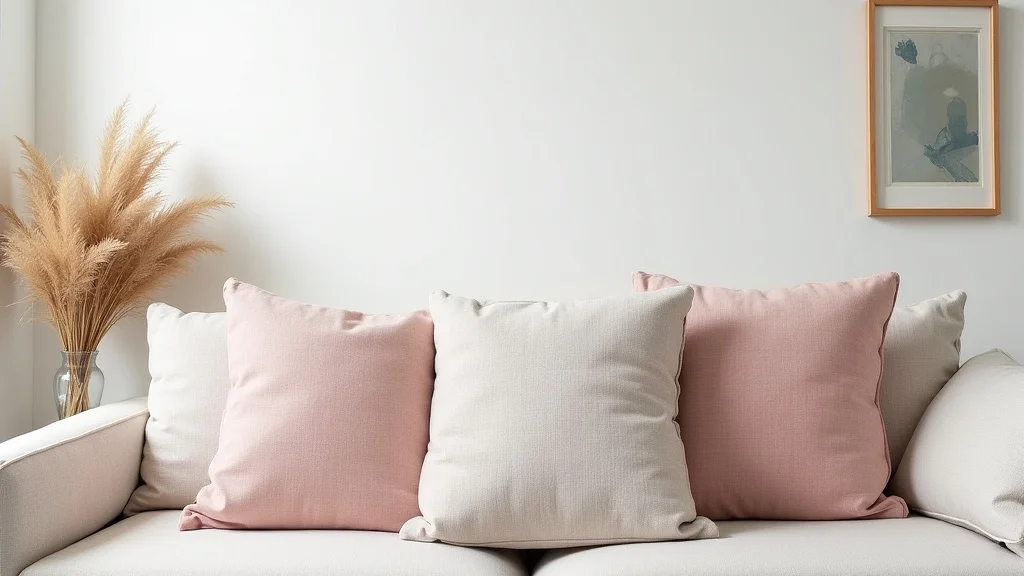
Remember that time you spent ages searching for the perfect throw pillows, only to find nothing that quite matched your decor? Or maybe you loved the fabric, but the price tag made you wince? We’ve all been there! But what if you could create custom pillow covers DIY style, perfectly matching your taste and budget? This guide is your complete resource, walking you through every step, from selecting fabrics to adding the finishing touches. You’ll learn how to transform plain pillows into personalized accents, giving your living space a fresh, new look. Get ready to explore the exciting possibilities of pillow covers DIY and discover how to express your unique style.
Key Takeaways
- Learn how to measure and cut fabric for perfect pillow covers.
- Discover different sewing techniques for various pillow cover styles.
- Find out how to choose the right fabric for your projects.
- Explore creative embellishment ideas to personalize your covers.
- Understand the basics of zipper installation for professional-looking results.
- Gain confidence to create beautiful, custom-made pillow covers.
Choosing the Right Materials for Your Pillow Covers DIY
The success of your pillow covers DIY project greatly depends on the materials you choose. Fabric selection is probably the most exciting and important aspect. Think about the style of your room, the function of the pillows, and the desired texture. Consider factors like durability, washability, and the overall aesthetic you want to achieve.
Selecting Fabrics for Your Project
The fabric will determine the look, feel, and durability of your pillow covers. Cotton is a great all-around choice. It is affordable, easy to work with, and comes in countless colors and prints. Linen offers a relaxed, casual vibe and becomes softer with each wash, but it can wrinkle easily. Silk or satin provides a luxurious look and feel, but requires more careful handling. For outdoor pillows, consider weather-resistant fabrics like outdoor canvas or treated polyester. You can find these fabrics at fabric stores or online retailers. Explore fabric samples to test the texture and color. Consider how the fabric will wear and how it will complement your existing decor.
- Cotton: This is a popular and versatile option. It’s easy to sew, comes in a huge range of colors and patterns, and is generally affordable. It’s also relatively easy to care for, which is great for everyday use.
- Linen: Linen offers a more relaxed, natural look. It’s breathable and durable, becoming softer over time. However, it can wrinkle easily and might require more ironing.
- Silk/Satin: These fabrics add a touch of luxury and elegance. They’re smooth and beautiful but require careful handling, as they can be delicate and require special care during washing.
- Polyester/Blends: Polyester is a durable and wrinkle-resistant choice. It’s often used in blends to add these qualities to other fabrics. Blends can offer a good balance of cost, durability, and ease of care.
Consider the room where the pillows will be placed. For a living room, you might choose durable fabrics like cotton twill or canvas. In a bedroom, softer options like cotton or linen could be perfect. Think about how much use the pillows will get. Fabrics that are easy to clean are great for high-traffic areas. Remember to pre-wash your fabric to prevent shrinking after you’ve sewn the pillow covers DIY.
Necessary Tools and Supplies
Besides fabric, several other tools and supplies are essential for your pillow covers DIY project. A sewing machine is highly recommended for speed and accuracy, but you can also sew by hand if you prefer, especially for small projects. You’ll need sharp fabric scissors or a rotary cutter and a cutting mat for precise cutting. A measuring tape, pins, and thread that matches your fabric color are also necessary. A seam ripper is a must-have for correcting mistakes, and a good iron and ironing board will help you create crisp, professional-looking seams. Finally, consider adding a zipper (if desired), a sewing machine needle appropriate for your fabric type, and some basic sewing notions like a needle threader and a pin cushion.
- Sewing Machine: A sewing machine significantly speeds up the process, ensuring straight, consistent stitches.
- Fabric Scissors/Rotary Cutter: These are crucial for accurately cutting fabric.
- Measuring Tape: Needed for precise measurements of the pillow form and fabric.
- Pins: Secure fabric layers before sewing.
- Thread: Match the thread color to your fabric.
- Seam Ripper: Correct mistakes and remove unwanted stitches.
- Iron and Ironing Board: Creates crisp seams and a professional finish.
Gathering the right tools will make your pillow covers DIY journey much smoother and more enjoyable. These supplies ensure that your projects are accurate and the finished product looks good. Good tools also save time and prevent frustration, allowing you to focus on the creative aspects of crafting your pillow covers.
Measuring and Cutting Fabric for Pillow Covers DIY
Accurate measuring and cutting are vital for creating well-fitting pillow covers. These steps form the foundation of your project and ensure that your finished pillow will look polished and professional. It is best to take your time and follow the steps carefully. Proper measurement will avoid costly mistakes and save you time. This is where your pillow cover DIY process begins!
Measuring Your Pillow Forms
Before you begin, measure your pillow forms accurately. Measure the length and width of the pillow form. If you’re creating a pillow cover with a standard shape, like a square or rectangle, you can follow these simple instructions. For the front and back pieces, add 1 inch to both the length and width for seam allowances. If you’re adding a zipper, consider the zipper’s placement. Measure the length of the zipper opening for accurate sizing. For a more tailored fit, you can reduce the seam allowance. Be sure to check your measurements several times before you cut the fabric. This process ensures the cover fits your pillow forms and has room for the seams.
- Determine the Pillow’s Dimensions: Measure the length and width of your pillow form.
- Add Seam Allowance: Add 1 inch to both the length and width of your fabric pieces to allow for seams.
- Account for Zipper Placement (if used): If using a zipper, consider where it will be placed and any adjustments to the fabric size.
- Double-Check Measurements: Always check your measurements before you cut.
Accurate measuring will significantly improve your project and save time. It prevents the frustration of covers that are too small or too large. Double-checking all measurements is key to ensure you get it right. Taking these steps is critical for your pillow covers DIY success.
Cutting the Fabric Pieces
Once you’ve determined the dimensions, it’s time to cut your fabric. Lay your fabric flat on a cutting surface and use a rotary cutter or fabric scissors to cut along the measurements. You can use a cutting mat and a clear ruler for precise straight lines. If you’re cutting a patterned fabric, take the pattern repeat into account to ensure the design is centered or aligned. Cut the fabric carefully, following your measurements. Remember to cut two pieces for the front and back of the pillow cover. Take your time to get each piece cut accurately.
- Lay Fabric Flat: Make sure your fabric is flat and wrinkle-free on a cutting surface.
- Use a Rotary Cutter or Scissors: Cut along the lines you’ve measured.
- Account for Pattern Repeat: Pay close attention if your fabric has a pattern and center or align it.
- Cut Front and Back Pieces: Cut two pieces of fabric to the correct dimensions for the front and back of your pillow.
Proper cutting makes a huge difference in the look of your finished pillow cover. Using these guidelines ensures that your pillow covers DIY project is successful. With these tips, you’ll be able to create perfectly-sized pieces ready to be sewn.
Sewing Techniques for Pillow Covers DIY
Different sewing techniques can be used to achieve various looks for your pillow covers DIY project. This section explores various techniques, from basic seams to zipper installation, providing detailed information that is easy to follow. Knowing the right techniques makes your sewing process much smoother, resulting in professional-looking pillow covers. Let’s explore these sewing styles, from basic seams to decorative finishes!
Basic Seam Finishes
Seams are fundamental to sewing pillow covers. There are several ways to finish your seams to ensure durability and a professional appearance. A straight stitch is a standard seam and is suitable for most fabrics. Use a 1/2-inch seam allowance. For added strength and to prevent fraying, you can serge the edges of your fabric with a serger or use a zigzag stitch on your sewing machine. The French seam encloses the raw edges of the fabric inside the seam, making it perfect for lightweight fabrics or when you want a clean finish. An overlock seam offers a neat and secure finish, often done with a serger.
- Straight Stitch: The foundation of all seams. Use a 1/2 inch seam allowance.
- Zigzag Stitch: Prevents fraying, a simple way to neaten edges.
- French Seam: Ideal for delicate fabrics, with raw edges enclosed.
- Overlock Seam: Provides a neat and secure finish for durability.
The right seam finish boosts the durability and look of your pillow covers DIY project. The most common choice is the straight stitch. Selecting the right finish keeps your pillow covers looking great for longer.
Zipper Installation
Installing a zipper can add a professional touch to your pillow covers. There are various ways to install a zipper, including the invisible zipper method, which hides the zipper, and the traditional method, which is more visible but easy to follow. You can use a zipper foot on your sewing machine to make this process easier. Pin the zipper to the fabric, with the zipper teeth facing down on the wrong side of the fabric. Sew close to the zipper teeth. Trim the seam allowance and flip the fabric right side out to check your work. Using a zipper makes your pillow covers DIY creations more convenient and gives them a polished look.
- Prepare the Fabric: Mark the zipper placement on your fabric pieces.
- Pin the Zipper: Secure the zipper to the fabric with pins, zipper teeth down.
- Sew the Zipper: Use a zipper foot to sew close to the teeth.
- Finish the Seam: Once sewn, finish the seam and ensure that your cover functions correctly.
Mastering zipper installation elevates your pillow covers DIY game. It adds both functionality and style to your creations. Practice and patience are essential to achieving a perfect fit.
Embellishments and Customization
Once you’ve mastered the basics of constructing your pillow covers DIY style, it’s time to explore the fun world of embellishments! Adding personal touches allows you to transform your pillows into unique works of art, reflecting your personality and enhancing your home decor. From simple touches to more complex designs, the options are endless. Let’s explore some exciting ways to personalize your pillow covers and create designs that reflect your style!
Adding Decorative Elements
Add decorative elements to make your pillow covers DIY creations pop. Simple options include sewing on buttons, adding tassels or fringe along the edges, or using decorative stitches on your sewing machine. For more intricate designs, consider appliqueing shapes or letters onto the fabric or using fabric paint to create custom patterns or designs. Embroidery allows you to add detailed designs, monograms, or quotes. These embellishments can transform a plain pillow cover into a personalized statement piece that perfectly complements your home decor. These finishing touches add personality.
- Buttons: A simple but effective way to add detail.
- Tassels/Fringe: Adds texture and visual interest.
- Decorative Stitches: Elevates the look of your cover with fancy stitches.
- Appliqué: Sew shapes or letters onto the fabric to personalize it.
- Embroidery: Adds detailed designs or monograms.
These elements create a unique and appealing final product. These options help you tailor your pillow covers DIY creations to your specific style and decor. Get creative and find combinations that express your personal taste!
Working with Patterns and Colors
Choosing the right patterns and colors is key to creating aesthetically pleasing pillow covers. Experiment with different combinations to find the perfect look for your space. Pair solid-colored fabrics with patterned ones for a balanced design. Use contrasting colors to create visual interest or select coordinating colors to match your existing decor. Consider the scale of patterns and how they will interact with each other. Smaller patterns can be mixed more freely, while large-scale patterns might be better as a feature on their own. Try sketching out your design ideas to visualize the final outcome before you begin sewing. Consider the overall style of your room when picking patterns and colors.
Here’s a comparison table showing some fabric combination options.
| Fabric Type | Color Scheme | Design Style | Notes |
|---|---|---|---|
| Solid Cotton | Neutral (Beige, Gray) | Minimalist, Modern | Works well with textured fabrics. |
| Floral Print | Pastels (Soft Pink, Blue) | Romantic, Cottagecore | Best with a simple background. |
| Geometric Print | Bold (Black, White, Red) | Modern, Contemporary | Use as an accent piece with solid-colored pillows. |
| Striped Fabric | Nautical (Navy, White) | Coastal, Classic | Pair with solid or textured fabric. |
These techniques allow you to design pillow covers DIY that match your style. Taking a considered approach to patterns and colors ensures your pillows will enhance your space. Make your choices and let your creativity shine!
Common Myths Debunked
Myth 1: DIY Pillow Covers Always Look Homemade
It’s a common misconception that pillow covers DIY projects automatically look unprofessional. The truth is, with careful planning, attention to detail, and the right techniques, you can create pillow covers that look as good as, or even better than, store-bought ones. Precise measurements, quality materials, and proper sewing skills are key to achieving a polished, professional finish. You can create pillow covers that look great with some practice.
Myth 2: Sewing Pillow Covers is Difficult
Many people are intimidated by the idea of sewing pillow covers DIY, believing it’s a complicated task that requires advanced skills. While intricate designs may require a higher skill level, basic pillow covers are manageable for beginners. With clear instructions and patience, anyone can learn to make simple pillow covers. Start with a straightforward pattern and gradually work on more complex designs. With a good guide and some practice, it becomes a simple task.
Myth 3: You Need Special Equipment to Create Pillow Covers
Some people think that creating pillow covers DIY requires expensive or specialized equipment. Although a sewing machine is helpful, it’s not essential to get started. You can sew by hand, though it will take longer. Beyond that, the essential tools are basic: scissors or a rotary cutter, measuring tape, and pins. More advanced equipment can speed up the process. A basic sewing kit is often all that is necessary.
Myth 4: DIY Pillow Covers Aren’t Durable
It’s easy to assume that store-bought pillow covers are more durable than those made at home. The durability of a pillow covers DIY project depends on the choice of fabric and the quality of construction. By using sturdy fabrics, reinforced seams, and proper sewing techniques, you can create pillow covers that will last a long time. Pre-washing fabric before sewing also minimizes shrinking after washing, contributing to the longevity of your covers.
Myth 5: It’s Cheaper to Buy Pillow Covers
While the cost of materials may seem high at first, making pillow covers DIY can be a budget-friendly option, especially when you consider the quality and customization you gain. Store-bought covers may use low-quality materials. When you make your own, you get to choose exactly what you want. You can also utilize fabric remnants and sales to further reduce the cost. The ability to customize your covers makes DIY a good value.
Frequently Asked Questions
Question: How do I choose the right size zipper for my pillow cover?
Answer: Measure the length of the opening you want the zipper to cover. Select a zipper that is slightly longer, usually 1-2 inches, to make sewing easier.
Question: What’s the best fabric for beginner pillow cover projects?
Answer: Cotton is a great starting point. It’s affordable, easy to work with, and comes in various colors and patterns.
Question: Can I wash the pillow covers I make?
Answer: Always pre-wash your fabric to prevent shrinking. Check the fabric care instructions and wash your covers according to those instructions.
Question: How do I prevent the corners of my pillow cover from looking pointy?
Answer: When sewing, trim the corners of the seam allowance diagonally before turning the cover right side out. This removes excess bulk and creates neat corners.
Question: How can I create a professional-looking finish on my pillow covers?
Answer: Pressing seams with an iron is key for a neat finish. Consider using a French seam or serging the edges to prevent fraying and add durability.
Final Thoughts
Embarking on a pillow covers DIY project is a fantastic way to transform your home decor, unleash your creativity, and save money. You now possess the knowledge and skills to create beautiful, custom pillow covers tailored to your unique style. We’ve explored choosing the right fabrics, measuring accurately, mastering basic sewing techniques, and adding personalized embellishments. By implementing these skills, you can create unique designs that brighten your home.
So, don’t be afraid to experiment, try new things, and let your imagination run wild. Whether you’re a seasoned seamstress or just starting, the world of pillow covers DIY offers something for everyone. Gather your supplies, select your favorite fabrics, and begin. With each stitch, you’re not only making beautiful home decor but also developing valuable sewing skills. You are now prepared to create beautiful, personalized pillow covers. The possibilities are endless. Happy sewing!
About the Author


