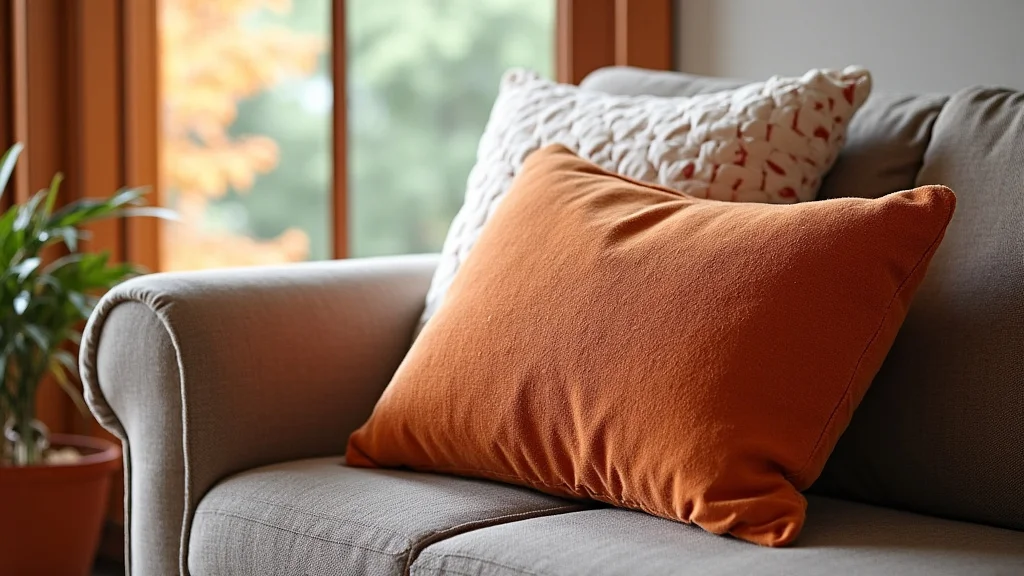
The crisp air arrives, the leaves begin their colorful transformation, and suddenly, you crave a cozy home. You might find yourself reaching for that pumpkin spice latte, pulling out your favorite sweaters, and thinking about how to refresh your living space for the season. One of the easiest and most impactful ways to usher in the autumn aesthetic is by swapping out your existing pillow covers for fall. This guide will provide you with all the essentials to create a warm and inviting atmosphere. You’ll gain a thorough exploration of colors, materials, and styles, turning your home into a seasonal haven.
Key Takeaways
- Discover the best materials for fall pillow covers, focusing on comfort and durability.
- Learn about the key color palettes that perfectly capture the essence of autumn.
- Explore various design styles, from rustic farmhouse to modern minimalist.
- Find valuable tips on mixing and matching pillow covers to create a visually appealing arrangement.
- Understand the role of texture in enhancing your fall décor.
- Get practical advice on maintaining and caring for your seasonal pillow covers.
Embracing the Essence of Autumn with Pillow Covers
Fall represents a season of change, with its cooler temperatures and vibrant foliage inspiring a shift in our home décor. As the days become shorter, we naturally desire a cozier, more inviting atmosphere. Pillow covers for fall provide an instant transformation, allowing you to easily update your living space without undertaking a complete renovation. They’re a simple yet effective way to incorporate the warmth and richness of the season into your home.
Choosing the Right Materials for Fall Pillow Covers
The material of your pillow covers plays a crucial role in both the aesthetic and the comfort of your space. Different materials offer unique textures and properties, influencing how they feel and how they look. Consider what suits your needs, considering the overall style and how you use your living space. Selecting the right material will enhance the experience of your fall decor.
- Velvet: Velvet offers a luxurious feel and adds depth with its plush texture. It is a popular option, especially for the cooler months. Its rich sheen catches the light beautifully, adding an element of elegance and opulence. Velvet comes in various forms, and choosing the right grade is crucial, from cotton to silk blends. Velvet needs more attentive care and is best suited for spaces with less activity.
- Linen: Linen provides a relaxed, natural aesthetic. It’s breathable and durable, perfect for a casual setting. Linen has a characteristic texture that adds visual interest, and it drapes well. It’s often chosen for its slightly wrinkled appearance, which contributes to a relaxed, lived-in feel. Linen gets softer with each wash, making it a comfortable choice.
- Cotton: Cotton is a versatile, affordable choice. It’s easy to clean and available in many patterns and colors. Cotton offers a comfortable texture and can be made into various weaves, from smooth to textured. It’s a great option for high-traffic areas due to its durability and ease of care.
- Faux Fur: Faux fur introduces an element of coziness and warmth. It’s ideal for achieving a snug atmosphere, providing visual and tactile interest. Faux fur provides a sense of luxury without the price tag or ethical concerns of genuine fur. It can emulate various animal furs, such as sheepskin or mink, offering rich textures and varied color options.
Velvet is a woven fabric with a dense pile. The fibers are evenly distributed, creating a smooth and soft surface. Production starts with weaving the fabric, typically on a special loom. After the weaving, the pile is created by cutting or looping the threads. Velvet can be made from various materials, including silk, cotton, wool, or synthetic fibers. Silk velvet is the most luxurious, while cotton velvet is more affordable and easier to care for. It’s important to consider the pile direction and density, which impacts the fabric’s look and feel. The pile direction affects how light reflects and the overall appearance.
Linen is derived from the flax plant. The fibers are long, strong, and highly absorbent, which gives linen its unique texture and durability. The weaving process creates slight variations, leading to a textured look. The natural properties of linen make it breathable and ideal for warm and cool temperatures. Linen can also be dyed to a wide range of colors, which makes it versatile for different decor styles.
Cotton is a soft, fluffy fiber that grows in a boll around the seeds of the cotton plant. It’s one of the most widely used textiles globally due to its comfort, versatility, and affordability. Cotton fabrics are breathable and absorbent, making them suitable for year-round use. It comes in different weaves and weights, from lightweight muslin to heavier canvas. It can be easily dyed and printed, which offers a wide array of design options. Cotton is also relatively easy to maintain, usually machine-washable. Sustainable cotton farming practices consider reduced water usage and pesticide use.
Faux fur is a synthetic material designed to imitate the look and feel of animal fur. It’s typically made from materials like acrylic or polyester. The manufacturing process involves weaving or knitting a base fabric, followed by attaching the fibers that create the fur’s plush appearance. The length, density, and color of these fibers can vary, allowing for different fur types to be replicated. It is a more ethical and sustainable choice, as it doesn’t involve animals. The performance of faux fur varies depending on the materials used. It can be machine-washable and is more resilient to wear and tear. It also is often a cheaper alternative to genuine fur.
Color Palettes for Fall Pillow Covers
The color palette you choose for your pillow covers for fall significantly impacts the overall mood of your space. The right hues can evoke the warmth, comfort, and beauty of the season. From vibrant oranges and deep reds to muted browns and greens, each color tells its own story. Consider your existing decor and select colors that will complement and enhance your space.
- Warm Neutrals: Shades like cream, beige, and taupe create a cozy foundation. These colors provide a sense of calm and work well with various accent colors. They create a neutral base that allows other seasonal colors to stand out.
- Earthy Tones: Incorporate colors like deep browns, rust, and olive green to bring the outdoors inside. These shades capture the essence of fallen leaves and lush landscapes, providing an organic feel. These colors work well to give a connection to nature.
- Rich Jewel Tones: Colors like deep burgundy, emerald green, and sapphire blue add a touch of luxury and depth. These rich tones create a sense of sophistication and contrast well with neutral backgrounds. Jewel tones can provide a luxurious element.
- Accent Colors: Choose complementary colors, such as mustard yellow or burnt orange, for a pop of vibrancy. These colors create visual interest and add energy to your space. Accent colors can brighten up an area and make it more inviting.
Neutral colors, such as beige, cream, and taupe, are versatile and foundational to many design schemes. They act as a backdrop, making the space feel spacious and allowing other elements to become prominent. These colors complement a wide range of accent colors and decor styles. They also create a sense of cohesion and can work for various seasons. Neutrals can make a space feel more open and help to balance bold colors.
Earthy tones, like deep browns, rust, and olive green, are inspired by the natural world, representing elements like soil, wood, and foliage. These colors create a grounding and calming environment. They’re great for connecting an interior space with the outdoors. These colors are also versatile and work well with other colors, creating a balanced and visually interesting space. Earthy tones can offer a sense of stability and warmth.
Jewel tones are vibrant, saturated colors inspired by precious gemstones, such as emerald, sapphire, and ruby. They add a touch of luxury and sophistication to any space. These colors reflect light beautifully, creating a sense of depth and richness. They can be used as accents or as primary colors. Jewel tones work well in both classic and contemporary settings, offering a bold and elegant touch. When used with neutrals, they create a balanced look.
Accent colors are used strategically to add visual interest and contrast to a space. These colors are typically used in smaller doses. They are a great way to personalize a space and inject personality. They can be used in various elements, such as artwork, pillows, and decorative objects. Carefully selected accent colors can elevate the design scheme of a space. By choosing complementary or contrasting colors, designers can create a harmonious or dynamic look.
Styles and Designs for Fall Pillow Covers
Choosing the right style and design of pillow covers for fall can bring the spirit of the season into your home. From rustic to modern aesthetics, different styles can meet various preferences. Understanding the unique elements of each style will help you personalize your decor and enhance your seasonal comfort.
- Rustic Farmhouse: Embrace a cozy, lived-in feel with burlap, plaid, and neutral colors. This style is all about creating a warm, welcoming space, often with a focus on natural materials and textures. Think about classic patterns and designs, like buffalo check or simple stripes.
- Modern Minimalist: Opt for clean lines, solid colors, and simple geometric patterns. This approach is about creating a clutter-free and sophisticated space. Focus on quality over quantity and select pillow covers in neutral tones.
- Bohemian: Introduce layers of texture, patterns, and rich colors to achieve an eclectic look. This style embraces individuality and creativity. Combine various textures, such as velvet, linen, and faux fur, to enhance the bohemian look.
- Coastal Fall: Combine elements of fall with coastal accents for a unique look. Incorporate colors like navy, cream, and touches of wood to create a serene and balanced space. Look for patterns with natural, fall motifs.
Rustic farmhouse style combines the charm of country living with a touch of elegance. It typically features neutral color palettes, natural materials like wood and linen, and vintage-inspired elements. Burlap and plaid pillow covers for fall work well in this style, creating a homey atmosphere. The simplicity and warmth of this style make it a classic choice for autumn decorating.
The modern minimalist style is characterized by simplicity, clean lines, and a focus on functionality. It prioritizes a neutral color palette and the absence of unnecessary ornamentation. In this style, pillow covers for fall should feature solid colors or simple geometric patterns. The aim is to create a serene and uncluttered space.
Bohemian style celebrates creativity, freedom, and self-expression. It often features a mix of textures, colors, and patterns. Pillow covers for fall in this style might include velvet, linen, and faux fur. Layering different elements to create a cozy and inviting space is crucial. The mix of textures and colors allows for a unique and personalized decor.
Coastal Fall blends the serenity of coastal décor with the warmth of autumn. It typically features a palette of navy, cream, and natural wood tones. Incorporating fall motifs like leaves and pumpkins can create a sense of harmony. The combination of beachy vibes and autumnal elements results in a unique and inviting design.
Mixing and Matching Pillow Covers for Fall
Creating an appealing display with your pillow covers for fall involves more than just selecting beautiful covers; it also requires skill in mixing and matching them to create a harmonious arrangement. Experimenting with different sizes, shapes, colors, and textures can help you develop a personalized look that reflects your style and enhances your living space. Consider these tips when arranging your pillows.
- Consider Size Variations: Mix different-sized pillows to create visual interest. Start with larger pillows in the back and smaller ones in front. This layering technique adds depth and dimension to your sofa or bed arrangement.
- Experiment with Shapes: Introduce a mix of square, rectangular, and round pillows. Combining different shapes will add visual interest. This can create a unique and more balanced arrangement.
- Create a Color Palette: Choose a base color and then incorporate complementary or contrasting colors. This will help tie the arrangement together and create a cohesive look. Choose colors that complement the overall theme.
- Balance Textures: Combine smooth and textured materials to create depth and interest. Mixing velvet, linen, and faux fur can create a visually interesting and inviting arrangement. This interplay of textures will add a tactile element to your decor.
- Start with a large, square pillow with a velvet cover in a deep burgundy at the back.
- Layer a rectangular linen pillow with a neutral pattern in front.
- Add a small, round pillow with a faux fur cover in a cream color.
Using different sizes of pillows adds visual interest. This technique creates a layered look. Start with large pillows at the back for support and add smaller ones in front for texture and color. This variety in size can create a balanced and inviting arrangement.
Combining square, rectangular, and round pillows creates a visually appealing mix. This diversity can break up the monotony and add dimension to the arrangement. Experimenting with different shapes is a good way to improve the overall look.
Establishing a color palette is important for a unified look. Choose a base color, such as a neutral shade, and add in complementary or contrasting colors as accents. This can create a cohesive and visually appealing look. A well-chosen color palette can significantly enhance the overall design.
Mixing smooth and textured materials adds visual and tactile interest. Combining velvet with linen or faux fur creates depth and complexity. This interplay of textures adds a unique dimension to the arrangement.
Example Scenario:
Adding Texture for Visual Appeal
Texture plays an important role in autumn decor. Texture adds visual interest and a tactile element to your space. Consider various textures such as velvet, linen, and knit fabrics to create a comfortable and inviting atmosphere. Adding texture to your decor is essential for creating depth and warmth.
- Embrace Tactile Fabrics: Using fabrics such as velvet, corduroy, or chunky knits enhances the feeling of warmth and comfort. These materials feel soft to the touch and provide visual appeal. These fabrics are great for creating a cozy, inviting space.
- Incorporate Different Weaves: Explore various weaves, from tightly woven cotton to loosely woven linen. These differences add visual interest and depth to your decor. This can help create a layered and dynamic look.
- Utilize Embellishments: Consider pillow covers with details like fringe, tassels, or embroidery. These elements add an extra layer of texture. These details can improve the aesthetic of your decor.
- Play with Patterns: Combine patterned pillow covers with textured solids. A mix of patterns and textures will create a balanced and visually interesting space. Using pattern can add depth.
Tactile fabrics like velvet and corduroy provide a sensory experience. These materials not only look appealing but also feel pleasant. Chunky knits are also a good option. Incorporating these fabrics will create a cozy and inviting atmosphere.
Different weaves create distinct textures and appearances. Tightly woven cotton has a smooth, refined look, while loosely woven linen provides a more relaxed, textured feel. Varying the weaves adds depth and visual interest.
Embellishments enhance the texture and visual appeal of your pillow covers. Details like fringe, tassels, and embroidery can give a touch of uniqueness to your decor. These elements add a subtle but effective way to improve the design.
Combining patterned and solid textured pillow covers is a great way to add depth. Mix patterned pillow covers with textured solids to create a balanced, visually interesting space. This creates a stylish and dynamic decor scheme.
Caring for Your Fall Pillow Covers
Proper care of your pillow covers for fall ensures their longevity and helps maintain their appearance. Depending on the material, you’ll need to follow specific instructions to maintain their quality. Consistent care and maintenance will help protect your investment.
- Read the Care Label: Always check the care label for washing and drying instructions. This will provide guidance for the best way to clean your pillow covers. Following these instructions will prevent damage.
- Follow Washing Instructions: Wash pillow covers according to the fabric’s requirements. This may include machine washing on a delicate cycle or hand washing. Use cold water and a mild detergent. Adhering to the right methods is essential for maintaining your covers.
- Drying Methods: Some pillow covers can be tumble-dried on a low setting, while others require air drying. Avoid high heat, as it can damage certain fabrics. Be sure to check the instructions for specific guidance.
- Storage Tips: Store your fall pillow covers in a cool, dry place when not in use. Consider using a breathable storage bag to protect them from dust and moisture. Correct storage is essential.
The care label provides valuable information regarding how to care for your pillow covers. This will help ensure the longevity of your covers. Proper care will help maintain the beauty and quality of your fall decor.
Washing your pillow covers according to fabric-specific instructions is important. Machine wash on a gentle cycle, use cold water, and a mild detergent. This ensures your covers are protected. This helps preserve the appearance and feel of the materials.
The drying method depends on the fabric. Some pillow covers can be tumble-dried on a low setting, while others should be air-dried to prevent damage. Always follow the guidelines. This is key to maintaining your covers’ shape, color, and texture.
Store your pillow covers when not in use. Store them in a cool, dry place, ideally in a breathable storage bag, to protect them from dust and moisture. This will keep them in top condition. By storing your pillow covers correctly, you can extend their lifespan.
Common Myths Debunked
Frequently Asked Questions
Question: What’s the best material for durability in pillow covers for fall?
Answer: For durability, consider cotton, linen, or synthetic blends. These materials withstand regular use and washing.
Question: How often should I wash my pillow covers for fall?
Answer: It’s best to wash your pillow covers every 2-4 weeks or as needed, depending on usage.
Question: Can I mix different patterns on my pillow covers for fall?
Answer: Yes, mixing patterns is a great way to add visual interest. Choose a common color to tie them together.
Question: Are velvet pillow covers for fall difficult to maintain?
Answer: Velvet pillow covers do require more careful handling, but spot cleaning and gentle washing can keep them looking great.
Question: How do I store my pillow covers for fall when they aren’t in use?
Answer: Store them in a cool, dry place, ideally in a breathable storage bag, to protect them from dust and moisture.
Final Thoughts
As the leaves transition and the air takes on that familiar crispness, refreshing your home with autumn décor can be a transformative experience. Pillow covers for fall provide an effortless way to create a warm and inviting atmosphere. They offer an array of opportunities to integrate the essence of the season into your home. With an understanding of materials, colors, and design styles, you can create a space that reflects the comfort and beauty of fall. Take the advice, experiment with different combinations, and allow your creativity to lead the way. Enjoy the process of creating a cozy, seasonal haven. So, go ahead and bring those autumn vibes into your home.
About the Author


