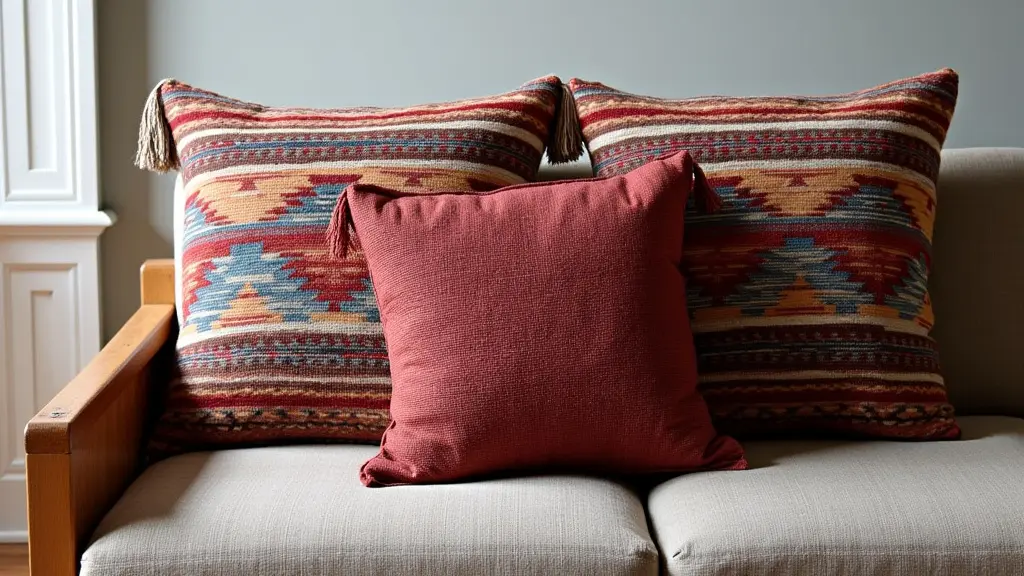
Remember that time you spent ages trying to find the perfect couch cushions? You wanted something with character, something that said, “I’m stylish, but also cozy.” That’s the feeling kilim pillow covers give to any space. They’re a simple way to add texture, color, and a touch of the exotic to your home. In this guide, we’ll explore everything you need to know about these beautiful covers, from their history and the materials they’re made of to how to pick the right ones for your décor. You’ll learn how to care for them and where to find the best options. This information will help you transform your space. Get ready to elevate your interior design with these stunning textile pieces. This post will improve your decor skills and boost your creativity.
Key Takeaways
- Learn about the history and origins of kilim pillow covers.
- Discover the different materials used in their construction.
- Explore how to select the ideal kilim covers for your home.
- Understand the best practices for cleaning and maintaining kilim pillows.
- Find out where to shop for high-quality kilim pillow covers.
- Gain ideas on how to incorporate these covers into various interior design styles.
The Allure of Kilim Pillow Covers: A Rich History
The story of kilim pillow covers starts with a fascinating journey. Kilims are flat-woven textiles, typically made in the regions of Turkey, Persia (now Iran), and Central Asia. They’re crafted using a technique that involves interweaving the warp and weft threads, creating a unique pattern. The history of kilims goes back centuries. They were originally used as floor coverings, wall hangings, and even saddlebags. Over time, these textiles have become highly prized for their intricate designs and the stories they tell. These textiles showcase the traditions, artistry, and cultural history of the regions where they originate.
The earliest kilims were often made by nomadic tribes. These pieces served practical purposes, such as insulating homes or providing warm bedding. The patterns and colors used held significant meaning. They often represented tribal affiliations, religious beliefs, or the natural world. Each design element, from the colors to the symbols, has a unique meaning. These meanings are often passed down through generations. The evolution of kilims mirrors the evolution of the societies that created them. The patterns and styles have evolved, reflecting changes in aesthetics, materials, and weaving techniques.
The Craftsmanship Behind Kilim Weaving
Kilim weaving is more than a craft. It’s an art form. It requires skill, patience, and a deep understanding of design. The weavers start with a loom, a frame that holds the warp threads. The warp threads are the vertical threads. The weaver then passes the weft threads, the horizontal threads, through the warp threads. They use a variety of techniques to create the intricate patterns that are so characteristic of kilims.
- Slit Weave: This is one of the most common techniques used in kilim weaving. When the color changes, the weaver leaves a small slit between the weft threads. This creates the distinctive geometric patterns often seen in kilims. The size of the slits can vary. This affects the overall texture and the design of the piece.
- Weft-Faced Weaving: In this technique, the weft threads completely cover the warp threads. This creates a dense, flat surface. This process gives kilims their characteristic texture and durability. This technique also ensures the colors remain vibrant for many years.
- Color Selection and Dyeing: The color selection is an important aspect of kilim weaving. Natural dyes are often used. These dyes come from plants, insects, and minerals. They create a rich palette of colors that are unique to each kilim. The color choice has a big impact on the overall feel of the textile.
The slits add to the character of the kilim, giving it a unique visual appeal.
This technique gives the kilim a smooth surface while also ensuring the design is bold and pronounced.
The color selection has a big impact on the overall feel of the textile.
The Cultural Significance of Kilim Patterns
The designs on kilim pillow covers often have deep cultural roots. These patterns are not just for decoration. They are a form of communication. They tell stories about the weaver’s heritage, beliefs, and aspirations. Each symbol and color has its own meaning. These meanings are specific to the region and the tribe where the kilim was made. These details can tell you a lot about the culture and the history.
For example, the “scorpion” motif may represent protection. The “wolf’s mouth” symbol may signify strength and courage. The use of specific colors, such as red for love and green for paradise, is also rich with meaning. These designs and symbols are often passed down through generations. They maintain the historical and cultural links of the weavers to their ancestors. This makes each piece unique.
- Geometric Motifs: Geometric patterns, like diamonds, triangles, and squares, are often found in kilim designs. They can represent various things, from fertility to protection. They are commonly seen and easily recognized.
- Animal and Plant Motifs: Animals and plants are also popular motifs. The “ram’s horn” can symbolize prosperity. The “tree of life” represents growth and connection. These symbols often reflect the environment and the values of the culture.
- Symbolic Colors: Colors are rich with meaning. Red can symbolize love and passion. Blue can represent peace and tranquility. White can stand for purity and innocence. Understanding the meanings of the colors can help you appreciate the depth of each kilim.
Geometric designs are central to the visual appeal of kilims and the stories they tell.
These motifs add a layer of depth and symbolism to the kilims, giving it a sense of the natural world.
Color is a crucial element that impacts the visual appeal and cultural significance of these pieces.
Choosing the Perfect Kilim Pillow Covers for Your Home
Selecting the right kilim pillow covers can be a fun and rewarding experience. There are many things to consider. These are colors, patterns, size, and the overall style of your home. Taking your time and considering these factors will help you make a selection that adds beauty and personality to your space. You can easily find the perfect match with a little planning.
Think about the existing décor in your room. Consider the colors, textures, and patterns. Do you want your new pillows to complement your existing style or provide a bold contrast? Consider the size of your furniture. Small pillows may get lost on a large sofa, while large pillows can overpower a small chair. Consider the style of your home. Does your decor tend towards modern, traditional, or bohemian? This will help you select the most suitable kilim patterns.
Matching Colors and Patterns
Color and pattern selection is one of the most exciting aspects of choosing kilim pillows. The right choices can pull a room together. They can also create a stunning focal point. When choosing the color scheme, think about the existing colors in your space. Choose colors that complement or contrast these. Remember the mood you want to create. Do you want a calm and peaceful space or a lively and energetic one?
- Complementary Colors: Use colors that are opposite each other on the color wheel. This can create a vibrant, eye-catching effect. For example, pair blue kilim pillows with orange accents in the room. This pairing offers a striking contrast.
- Analogous Colors: Use colors that are next to each other on the color wheel. This creates a harmonious, relaxing atmosphere. Use shades of blues and greens, for example. These choices can create a soothing, cohesive look.
- Monochromatic Scheme: Use different shades and tones of the same color. This creates a sophisticated, unified look. Choose different textures and patterns. This adds depth and interest.
This approach can make a bold statement in your living space.
This approach is great for those who want a more subtle, balanced color scheme.
This approach is excellent for those looking for a clean, minimalist style.
Sizing and Placement Guidelines
The size and placement of your kilim pillow covers are as important as their design. The pillows should be in proportion to your furniture and the room. The arrangement of the pillows can influence the comfort and visual appeal of your space. Consider these factors to ensure your pillows look great and serve their purpose.
- Sofa Pillow Arrangement: For a standard sofa, consider a mix of sizes. Use larger pillows at the back and smaller ones in front. This creates depth and visual interest. Arrange the pillows symmetrically or asymmetrically. This depends on your personal preference.
- Chair Pillow Placement: A single accent chair can benefit from one or two pillows. Choose a size that is proportionate to the chair’s size. Avoid making the pillows overpower the chair. A pillow on the back or a smaller lumbar pillow can add comfort.
- Bed Pillow Styling: On a bed, use kilim pillows along with your other bedding. Place them in front of your regular pillows. Use different sizes and shapes for a layered effect. This will give you a well-designed, inviting look.
Experiment with different arrangements to discover what looks best for your sofa.
The pillow should be a comfortable and stylish addition.
Arrange your pillows to create a welcoming and well-designed bedroom.
Materials and Construction of Kilim Pillow Covers
The quality and durability of kilim pillow covers depend on the materials used in their construction. The most common materials are wool and cotton. Each has different characteristics and benefits. You should familiarize yourself with these materials. It’s important to understand how they influence the texture, appearance, and longevity of the covers.
Wool is a classic choice for kilims. It offers excellent durability and natural stain resistance. It also provides warmth and a soft texture. High-quality wool kilims are often prized for their vibrant colors and intricate patterns. Wool kilims can last for generations with the right care. Cotton is another option. Cotton kilims are more affordable. They are lighter and easier to clean. They provide a softer feel than wool. Cotton is also a good option for people with sensitivities. The choice of material affects the care and maintenance.
Wool vs. Cotton: A Comparative Analysis
To assist your decision, consider the differences between wool and cotton. This includes their features, advantages, and drawbacks. Understanding these differences can assist you in choosing the material that best matches your needs.
| Feature | Wool | Cotton |
|---|---|---|
| Durability | High; naturally resilient and can withstand heavy use. | Medium; less durable than wool, but still long-lasting with proper care. |
| Texture | Soft, warm, and slightly textured. | Soft and smooth. |
| Maintenance | Requires more care. Can be prone to shedding. | Easier to clean and maintain. Less prone to shedding. |
| Price | Generally more expensive due to material and craftsmanship. | More affordable. |
| Appearance | Rich, vibrant colors, more pronounced texture. | Softer colors, smoother texture. |
| Suitable for | High-traffic areas, homes where durability is a priority. | Lighter use areas, homes where ease of care is important. |
Wool often offers a greater level of richness. Cotton provides a practical choice. Each option has its own strengths and weaknesses. The best choice is influenced by lifestyle, budget, and design preferences.
Construction Techniques and Details
The construction techniques also affect the quality of your kilim pillow covers. The tightness of the weave and the quality of the dyes are important. Look for covers that have a tight weave. This means that the warp and weft threads are closely packed together. This increases the durability and longevity of the cover. Also, find out how the dyes are made. High-quality kilims use natural dyes. These colors are richer and will last longer. Check for any imperfections. These can reveal the hand-crafted nature of the piece.
- Weave Density: The density of the weave has a big impact on the quality. A tight weave makes a more durable and long-lasting cover. The cover will maintain its shape and the colors will stay vibrant. A loose weave makes the cover look worn.
- Dye Quality: Natural dyes are usually better than synthetic ones. They provide more depth and richness to the colors. Natural dyes can last longer, and they don’t fade easily. Look for covers that are made with natural dyes.
- Handmade vs. Machine-Made: Hand-made kilims are more valuable and unique. They are made by skilled artisans. They often have slight variations. This adds to their character and charm. Machine-made kilims can be more affordable. They may lack the same level of detail and authenticity.
A tight weave is a sign of high-quality craftsmanship.
The dye choice plays a role in the aesthetic and durability of the cover.
Consider the production method when determining your purchase.
Caring for Your Kilim Pillow Covers
Proper care will ensure the beauty and longevity of your kilim pillow covers. These textiles, with their intricate designs, deserve special attention. You’ll learn how to clean, maintain, and protect them. This will allow them to remain a cherished part of your home décor for years to come. Routine maintenance will protect your investment.
Dusting and vacuuming are important for routine care. Dust regularly using a soft brush or vacuum cleaner. You should use a low setting to remove any loose debris. For more serious cleaning, consider professional cleaning. Kilims can be delicate. It is usually best to avoid harsh chemicals. Spot cleaning is often necessary for spills or stains. Always blot the stain. Never rub it, as this can spread the stain. Always test cleaning solutions on a small, hidden area of the cover first. This ensures that the cleaner does not damage the fabric. Proper storage when not in use is equally important. Ensure they are kept in a cool, dry place.
Cleaning and Maintenance Tips
Here are some more detailed tips on cleaning and maintaining your kilim pillow covers, ensuring they remain beautiful and functional. Regular care is key to preserving their quality.
- Regular Vacuuming: Vacuum your kilim pillow covers regularly, ideally once a week. This will remove loose dirt and dust. Use the upholstery attachment on your vacuum. This is a gentle way to clean the fabric. Avoid the beater bar attachment, as this can damage the fibers.
- Spot Cleaning: Clean spills immediately. Blot the stain with a clean, damp cloth. Avoid rubbing, as this can spread the stain. Use a mild detergent or specialized carpet cleaner. Test the cleaner on a hidden area first.
- Professional Cleaning: Consider professional cleaning every 1-2 years. This is especially true for covers that are used in high-traffic areas. Professional cleaners have the expertise and equipment to clean kilims. It is a safer way to clean and maintain these covers.
- Sunlight Protection: Avoid direct sunlight. Long exposure can cause the colors to fade. Keep them away from sunny windows. If possible, rotate your pillows. This ensures the colors are protected from fading.
Regular vacuuming will keep your covers clean and fresh.
Promptly cleaning spills can prevent permanent damage.
Professional cleaning ensures a thorough cleaning without damaging your covers.
Protecting them from sunlight preserves the colors.
Addressing Stains and Damage
Knowing how to deal with stains and damage can help prolong the life of your kilim pillow covers. Even with careful care, accidents can happen. With prompt action and the right approach, you can often save your covers. Addressing spills quickly is vital. Addressing issues as they happen will minimize permanent damage.
- Removing Stains: Respond to stains immediately. Blot the stain gently with a clean cloth. Use a solution of mild detergent and water. Start at the edge of the stain. Work your way inward. This prevents the stain from spreading.
- Repairing Damage: For small tears or loose threads, seek professional help. A qualified repair specialist can fix the damage. Attempting repairs yourself can cause further damage. Contact a professional for more significant damage.
- Preventing Damage: Prevention is always better than a cure. Avoid placing your pillows in high-traffic areas. This reduces the risk of dirt and stains. Rotate your covers. This ensures even wear and tear.
Quick action can minimize stain damage.
Professional repairs will preserve the look and value of the covers.
Preventive measures can reduce the frequency of damage.
Finding and Purchasing Kilim Pillow Covers
Purchasing kilim pillow covers should be an exciting and rewarding experience. There are numerous avenues for buying these covers. You’ll find a variety of retailers that cater to different styles and budgets. Being familiar with the best sources and what to look for will assist you in making an informed purchase. This will allow you to find the perfect pillows to enhance your home décor. Remember to shop around and compare prices.
Consider the reputation of the seller. This will guide you in finding high-quality products. Online marketplaces offer a wide variety of choices. Specialty boutiques often have unique and well-curated collections. Vintage shops can also be a gold mine for rare and unique finds. Always check the materials. Confirm that the cover is made from high-quality wool or cotton. If you can, examine the cover closely. Ensure that the weave is tight and that the colors are vibrant. Understand the return policy. Confirm that you can return the cover if you are not happy. Finally, consider the environmental and social impact of the purchase. Look for sellers who support fair trade and sustainable practices.
Where to Buy Kilim Pillow Covers
Exploring the marketplace to find the right kilim pillow covers can be fun. There are many options. Consider these reputable sources when starting your search. You can find unique pieces that will transform your space.
- Online Marketplaces: Websites like Etsy and Amazon are great options. They offer a vast selection of kilim pillow covers from various sellers. You can compare prices. Read reviews from other customers. You can easily find the styles you want.
- Specialty Home Décor Stores: These stores often have curated collections of high-quality kilim pillow covers. You can get personalized advice from staff who are knowledgeable about kilims. This often results in a better shopping experience.
- Vintage and Antique Shops: Antique stores are a great option for those who want unique, vintage pieces. These covers often have history and character. You can find rare designs that cannot be found elsewhere.
- Direct from Artisans: Many artisans sell their kilim covers directly. You can often connect with the people who made the pieces. You are supporting small businesses and getting a unique piece. You can also learn more about the craftsmanship.
Online marketplaces offer convenience and a wide range of choices.
Specialty stores offer a focus on quality and expertise.
Vintage shops offer unique pieces with a story.
Purchasing from artisans supports ethical practices and craftsmanship.
Evaluating Quality and Authenticity
Assessing the quality and authenticity of your kilim pillow covers is important. This ensures you are getting a genuine, well-made product. Several factors help differentiate between high-quality kilims and imitations. Understanding these can guide your shopping decisions and help you find a piece you’ll love. Learn the details and ensure you receive the best value.
- Material Quality: Confirm that the cover is made from high-quality wool or cotton. Check for a smooth and even weave. Examine the fibers. Ensure they are not shedding or showing signs of wear.
- Dye Assessment: Check the colors. They should be rich and vibrant. Look for natural dyes. These offer a depth that synthetic dyes can’t match. The colors should be even. There shouldn’t be any fading or bleeding.
- Authenticity Checks: Ask the seller about the origin and the weaving techniques. Genuine kilims come with stories. Learn about the region where they originated. The information can verify the authenticity.
Material quality impacts the longevity and feel of the cover.
Dye quality affects the visual appeal and durability of the cover.
Checking for authenticity helps ensure that the cover is genuine.
Common Myths Debunked
Myth 1: Kilim Pillow Covers Are Difficult to Clean
Many people believe that kilim pillow covers are difficult to clean. This is not entirely true. While they require some care, it is manageable with the right methods. You can vacuum them regularly to remove dust. Spills should be blotted immediately. If necessary, you can spot clean the area. In many cases, professional cleaning is suggested, but is not always required. Regular care and quick attention to spills can keep your kilim covers looking beautiful.
Myth 2: Kilim Covers Fade Quickly
There’s a misconception that kilim pillow covers fade quickly. High-quality kilims use natural dyes. These are designed to resist fading and hold their color for many years. Prolonged exposure to direct sunlight can fade any textile, so it’s a good idea to keep your covers out of direct sunlight. Otherwise, you can enjoy vibrant, long-lasting colors.
Myth 3: Kilim Covers Are Only for Bohemian Decor
Some people think that kilim pillow covers are limited to bohemian styles. Kilim pillow covers are very adaptable. You can use them to add texture and color to many different styles. These are not only for bohemian decor. They work in modern, minimalist, and traditional settings. Choosing the right colors and patterns can make them fit perfectly with any style.
Myth 4: All Kilim Covers Are Expensive
The belief that all kilim pillow covers are expensive is incorrect. The price of these covers varies based on their size, material, craftsmanship, and origin. You can find affordable options by searching online marketplaces or visiting specialty stores. You can find options to fit various budgets. The cost can vary, but many choices can be found.
Myth 5: You Can’t Use Kilim Covers with Pets
It’s not true that you can’t use kilim pillow covers with pets. Choose durable materials like wool. Regularly vacuum the covers to remove pet hair. Spot clean any stains that may occur. With proper care and attention, kilim covers and pets can coexist. You can enjoy the beauty of kilim covers without avoiding your pets.
Frequently Asked Questions
Question: How do I measure a pillow cover for my pillow insert?
Answer: Measure your existing pillow insert from seam to seam. Choose a cover that is the same size or slightly smaller. This will help the pillow look full and attractive.
Question: How can I soften a stiff kilim cover?
Answer: Over time and use, the cover will soften. You can also gently vacuum the cover. The movement will help to relax the fibers.
Question: How often should I wash my kilim pillow covers?
Answer: It’s best to avoid washing kilim covers often. Instead, vacuum regularly to remove dust and dirt. Spot clean any stains as they occur. If necessary, consider professional cleaning every 1-2 years.
Question: Are kilim pillow covers suitable for outdoor use?
Answer: It is not recommended to use kilim pillow covers outside. Weather exposure, sunlight, and moisture can harm these textiles. Kilims are made for indoor use. They work well in dry, indoor environments.
Question: What’s the best way to store kilim pillow covers when they are not in use?
Answer: Store them in a cool, dry place away from direct sunlight. Place them inside a breathable storage bag. This will protect them from dust and moisture.
Final Thoughts
Kilim pillow covers are more than just decorative items. They’re a way to add personality, history, and a touch of artistry to your home. From their rich origins in the traditions of nomadic weavers to the vibrant colors and geometric patterns that define them, kilim pillows bring a unique charm. You can easily select the ideal covers. You should consider the history, materials, and designs, choosing pieces that match your home’s style. You’ll learn how to keep your covers looking beautiful. You’ll learn the best methods of care and maintenance. This guarantees that your kilim covers will continue to be cherished pieces in your home for years to come. Embracing kilim pillows allows you to celebrate culture and bring unique elegance to your home.
About the Author


