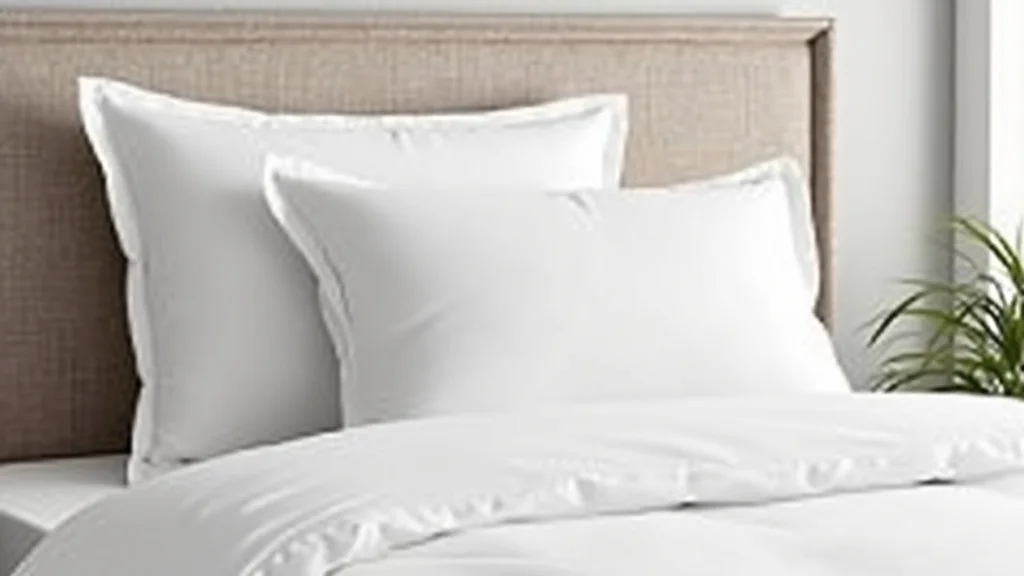
Remember that time you spent ages picking out the perfect pillows, only to realize the pillow covers standard you chose didn’t fit right? We’ve all been there! This post is designed to help you avoid that frustration. We’ll explore everything you need to know about pillow covers standard, from understanding different sizes to choosing the right fabric. You’ll gain the knowledge to select the ideal pillow covers for your home and create a cozy, stylish bedroom. Get ready to transform your sleep space!
Key Takeaways
- Learn about the standard sizes for pillow covers.
- Discover the different materials used in pillow cover construction.
- Understand how to measure your pillows for the perfect fit.
- Explore various design styles and aesthetic considerations for your bedroom.
- Find out how to care for and maintain your pillow covers.
- Gain insights on choosing the best pillow covers for your needs.
Unveiling Standard Pillow Cover Sizes
The first step in selecting pillow covers is knowing the different sizes. Standard pillow covers generally cater to standard pillow sizes, but variations exist. Understanding these dimensions is important to achieve a good fit and create a comfortable look for your bed. Different sizes are often available to match the array of pillow sizes commonly found in homes, ensuring you can find covers that fit your specific pillows.
Standard Pillow Dimensions
Let’s begin with the basics. The most common size is the standard pillow, measuring approximately 20 inches by 26 inches. These are the workhorses of bedding and can be found in almost every household. Next, we have the queen-size pillow, which is a bit larger, generally 20 inches by 30 inches. These offer a bit more space, making them a popular choice for larger beds. Finally, the king-size pillow is the largest standard option at roughly 20 inches by 36 inches. These provide ample space for sleeping and add a luxurious touch to any bed.
Selecting the correct size prevents a sloppy appearance and enhances comfort. If a pillow cover is too small, it will stretch the seams and potentially damage the fabric. If it’s too large, the pillow will shift around inside, affecting both the look and feel. Choosing the correct pillow covers standard size is the key to creating a cohesive and inviting bedroom.
Other Pillow Cover Sizes
While standard, queen, and king are the most common, there are other pillow cover sizes to consider. For example, Euro pillows, which are square (typically 26 inches by 26 inches), are frequently used for decorative purposes. Bolster pillows, cylindrical in shape, require covers of a specific length and diameter. Throw pillows, available in various shapes and sizes, add an extra layer of style to your bed. Understanding these sizes helps you create a bed that suits your style.
- Euro Pillows: These square pillows are often used as decorative pieces, placed against the headboard, and are usually 26×26 inches.
- Lumbar Pillows: These rectangular pillows offer back support and are available in various lengths, typically 12×20 inches, 14×24 inches or 14×36 inches.
- Body Pillows: These are long, cylindrical pillows designed to support the entire body, and they need a specific type of cover.
- Travel Pillows: Smaller and more compact, these are great for support while traveling, usually 12×16 inches.
The world of pillow sizes offers options to suit any needs or tastes, from the straightforward functionality of standard pillows to the decorative flair of Euro pillows. Matching the right pillow covers ensures that your space looks polished and functional.
Material Matters: Exploring Pillow Cover Fabrics
Choosing the right fabric is critical for both the comfort and appearance of your pillow covers standard. The material you choose affects the way your pillow feels, how it looks, and how easy it is to care for. There are numerous fabrics to choose from, each offering its own benefits.
Common Pillow Cover Materials
Here are some of the most popular materials for pillow covers:
- Cotton: Cotton is a classic choice, known for its breathability, softness, and affordability. It’s also relatively easy to care for, making it a great option for everyday use. Its hypoallergenic properties are beneficial for sensitive sleepers.
- Linen: Linen is durable, eco-friendly, and has a luxurious feel. It’s also naturally temperature-regulating, which helps you stay cool in summer and warm in winter. The textured surface adds a touch of casual elegance to your bedroom.
- Silk: Silk is the ultimate in luxury. It’s incredibly smooth, gentle on the skin, and helps prevent wrinkles and bed head. Silk pillow covers require special care, but the benefits are worth it for some.
- Polyester: Polyester is a synthetic material that is wrinkle-resistant, durable, and easy to clean. It’s also usually more affordable than natural fibers. The primary downside is that it isn’t as breathable as natural fabrics.
- Satin: A satin weave can be made from various materials, including silk and polyester. Satin is known for its silky-smooth texture and luxurious appearance.
- Microfiber: Microfiber is a synthetic fabric made from extremely fine fibers. It’s soft, durable, and resistant to wrinkles and fading. It’s often used for bedding due to its affordability and easy care.
The best material for your pillow covers depends on your personal preferences and needs. Consider factors such as comfort, breathability, ease of care, and your budget when making your decision.
Fabric Weights and Weaves
Beyond the material, the weight and weave of the fabric also affect the look and feel of your pillow covers. For example, percale cotton has a crisp, cool feel and a tight weave, making it durable and resistant to wear and tear. Sateen cotton, on the other hand, has a softer, smoother feel due to its unique weave. The thread count also affects the feel. Higher thread counts typically indicate a softer, more luxurious fabric, though this is not always the case.
- Percale: A plain weave known for its crispness and durability.
- Sateen: A weave that produces a smooth, silky texture.
- Thread Count: The number of horizontal and vertical threads per square inch of fabric; higher counts are associated with softer fabrics.
Experimenting with different weights and weaves will help you discover the perfect pillow covers standard for your sleeping experience. The right combination will ensure both comfort and durability. This will allow you to curate a bed space that suits your preferences perfectly.
Measuring and Fitting Your Pillows
Getting the right fit is crucial for both the aesthetics and the longevity of your pillow covers standard. If a cover is too small, it will strain the seams, and if it’s too large, the pillow will move around inside. Accurate measuring is the key to ensuring your new pillow covers fit perfectly.
How to Measure Your Pillows
Take these steps to measure your pillows accurately:
- Measure the Length: Lay the pillow flat and measure from one end to the other.
- Measure the Width: Measure the width of the pillow, from side to side.
- Consider the Depth: Some pillows, especially down or filled ones, have a depth. Measure this if needed.
- Check the Label: If you’re unsure, check the pillow’s label for its dimensions.
It’s important to measure your pillows before you start shopping to ensure that you select the right size.
Considering Pillow Fillings
The filling of your pillow can affect how well the cover fits. Feather pillows and down pillows are often fuller than synthetic-filled pillows, so you may need a slightly larger cover. It’s better to choose a cover that is a bit too large, rather than one that is too small. A cover that is a bit too big will have some give, which will reduce stress on the seams.
A properly fitted pillow cover will improve both the appearance and the feel of your bed. Accurate measuring and considering the filling materials are essential for achieving the perfect fit.
Styling Your Bed with Pillow Covers
Pillow covers are more than just practical items; they are an essential element of your bedroom decor. The right pillow covers standard can transform the entire look and feel of your space. With a little thought, you can easily create a bed that reflects your personal style.
Design Styles for Pillow Covers
Pillow covers come in a variety of design styles:
- Minimalist: Clean lines, solid colors, and simple patterns. This style is about simplicity and functionality.
- Bohemian: Eclectic, with rich colors, patterns, and textures. Think tassels, embroidery, and global-inspired prints.
- Coastal: Light, airy, and inspired by the beach. Think blue and white, nautical stripes, and natural materials.
- Modern: Geometric patterns, bold colors, and sleek designs. This style often features contrasting elements.
- Rustic: Natural materials, warm colors, and a cozy feel. Think linen, cotton, and earthy tones.
Choosing the right style depends on your personal preferences and the overall decor of your bedroom. Consider the colors, patterns, and textures already present in your space and choose pillow covers that complement them. This will help you create a cohesive and stylish look.
Color and Pattern Considerations
The colors and patterns you choose will dramatically impact the overall look of your bed. Consider these points:
- Color Palette: Select colors that complement your existing decor. Choose a bold color to make a statement or stick with neutral tones to create a relaxing atmosphere.
- Patterns: Decide if you prefer solid colors, stripes, florals, or geometric designs. If using multiple patterns, consider layering them carefully.
- Mix and Match: Don’t be afraid to mix and match different pillow covers to add depth and interest. Varying textures can also add visual appeal.
The right combination of colors and patterns will enhance the overall look and feel of your bedroom.
Incorporating Pillow Shams and Accessories
Pillow shams are decorative pillow covers that often match or complement your duvet cover or comforter. They add an extra layer of style and sophistication to your bed. You can layer your pillow covers standard with pillow shams, throw pillows, and blankets to create a curated, inviting look. Choose decorative accessories that match your decor style and add touches of personality to your bedroom.
With careful consideration of style, color, pattern, and accessories, you can create a bed that is both comfortable and aesthetically pleasing.
Caring for Your Pillow Covers
Proper care is necessary for keeping your pillow covers standard looking their best and extending their lifespan. Simple routines can help keep your pillow covers fresh, clean, and in good condition.
Washing and Cleaning Instructions
Different materials require different care methods. Always read the care label on your pillow covers before washing. However, some general guidelines apply:
- Machine Washing: Most cotton and polyester pillow covers can be machine-washed. Use warm water and a gentle cycle to prevent shrinking and damage.
- Drying: Tumble dry on low heat or air dry to prevent damage.
- Ironing: Iron your pillow covers at a temperature suitable for the material to remove wrinkles.
- Specialty Fabrics: Delicate fabrics like silk and linen often require hand washing or professional cleaning.
Following the care instructions will protect your pillow covers and keep them in good condition for years to come.
Stain Removal and Maintenance
Accidents happen, but knowing how to deal with stains can save your pillow covers. For minor stains, spot cleaning with a mild detergent is often sufficient. For tougher stains, consult the fabric care label for specific instructions. Regularly washing your pillow covers prevents the buildup of dirt, oil, and allergens. This practice is important for maintaining both hygiene and the overall appearance of your bedding.
By using the correct washing and maintenance techniques, you can keep your pillow covers fresh, clean, and looking their best.
Choosing the Best Pillow Covers for You
Selecting the perfect pillow covers standard involves considering your personal needs, preferences, and lifestyle. Think about what you need from your bedding, as well as the look and feel you desire for your bedroom.
Assessing Your Needs and Preferences
Begin by asking yourself some key questions:
- What is your budget? Pillow covers come in a variety of price points, from affordable options to luxurious ones.
- What materials do you prefer? Consider breathability, softness, and ease of care.
- What is your personal style? Do you prefer a minimalist, bohemian, or modern aesthetic?
- Do you have any allergies or sensitivities? If so, choose hypoallergenic materials like cotton or silk.
Answering these questions will provide clarity about what type of pillow covers are best for you.
Making a Final Decision
Here are some final tips to consider when making your selection:
- Read Reviews: See what other customers say about the quality, fit, and durability of the pillow covers.
- Consider Returns: Check the store’s return policy in case the covers don’t fit or meet your expectations.
- Prioritize Quality: A high-quality set of pillow covers standard will last longer and offer better comfort.
The right pillow covers will not only enhance the comfort of your bed but also reflect your personal style and create a cozy atmosphere in your bedroom. Enjoy your search!
Common Myths Debunked
Myth 1: Higher Thread Count Always Means Better Quality
Myth 1: Higher Thread Count Always Means Better Quality
While thread count is a factor in determining the quality of bedding, it is not the only factor. Higher thread counts can create a softer and more luxurious feel, but the type of fabric, the quality of the cotton, and the construction methods matter as well. A lower-thread-count fabric made with high-quality materials can sometimes be more desirable than a higher-thread-count fabric made with lower-quality materials.
Myth 2: All Pillow Covers are the Same Size
Myth 2: All Pillow Covers are the Same Size
This is incorrect. Pillow covers come in a range of sizes, including standard, queen, king, and Euro sizes, as well as sizes for throw pillows, body pillows, and travel pillows. Although standard sizes are widely available, you need to measure your pillows to ensure an ideal fit and the best look for your bedding.
Myth 3: Silk Pillow Covers Are Difficult to Care For
Myth 3: Silk Pillow Covers Are Difficult to Care For
While silk pillow covers do require more careful handling than cotton or polyester, they are not necessarily difficult to maintain. Most silk pillow covers can be hand-washed with a gentle detergent or taken to a professional dry cleaner. With proper care, they can last for many years and provide numerous benefits for your skin and hair. Careful washing is vital to protect the delicate fibers.
Myth 4: Dark-Colored Pillow Covers Fade Quickly
Myth 4: Dark-Colored Pillow Covers Fade Quickly
The fading of dark-colored pillow covers depends more on the quality of the dye and the washing process than on the color itself. With proper care, which includes washing with cold water and gentle detergents, dark-colored pillow covers can maintain their color for a long time. High-quality dyes and proper care are vital for preserving the color.
Myth 5: All Synthetic Pillow Covers Are Uncomfortable
Myth 5: All Synthetic Pillow Covers Are Uncomfortable
Synthetic pillow covers, such as those made from microfiber or polyester, have greatly evolved. Modern manufacturing techniques produce soft, breathable fabrics that can be very comfortable. While synthetic materials may not be as breathable as natural fibers like cotton or linen, many are designed to wick away moisture and regulate temperature, providing a comfortable sleep experience.
Frequently Asked Questions
Question: What is the most common pillow covers standard size?
Answer: The most common standard pillow cover size is approximately 20 inches by 26 inches.
Question: What’s the best material for pillow covers for sensitive skin?
Answer: Silk and organic cotton are good options as they are hypoallergenic.
Question: How often should I wash my pillow covers?
Answer: Washing your pillow covers every one to two weeks is a good idea to maintain cleanliness.
Question: Are there hypoallergenic pillow covers standard?
Answer: Yes, cotton, silk, and some microfiber pillow covers are hypoallergenic.
Question: How do I measure my pillow to find the right cover size?
Answer: Measure the length and width of your pillow; consider the depth if the pillow has it.
Final Thoughts
Choosing the right pillow covers standard is a worthwhile endeavor that can significantly improve your sleep quality and bedroom decor. By understanding the various sizes, materials, and design styles, you can make informed decisions that meet your individual needs and preferences. Whether you prefer the simplicity of cotton, the luxury of silk, or the durability of polyester, selecting the correct size and material is the key. Proper care, from washing to stain removal, will help extend their life and maintain their appearance. Armed with this knowledge, you are ready to explore and create a sleep space that perfectly reflects your personal style and enhances your comfort. Now, go ahead and update your bedding for a better sleep!
About the Author


