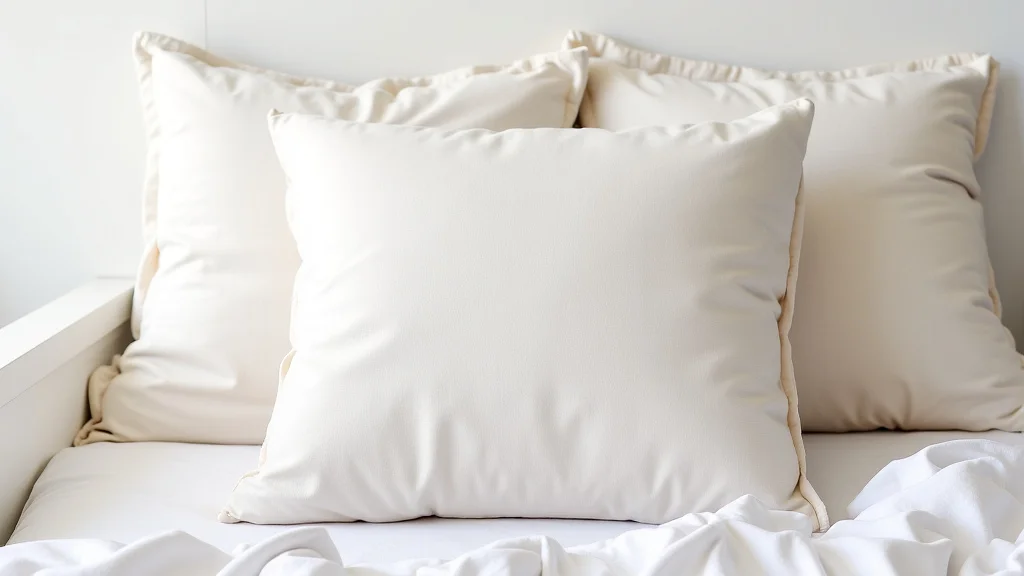
Remember that time you spilled coffee all over your favorite couch cushions? It happens! Suddenly, the living room feels less cozy and more…stained. Instead of replacing the whole sofa, what about a simple fix? Learning how to make your own pillow covers to sew is a practical skill that can brighten up your space and save you money. In this post, you’ll discover the joy of creating custom home decor. You’ll also learn the different fabric types, the essential tools, and easy-to-follow techniques for crafting stunning pillow covers to sew. Get ready to transform your home with your own personalized touch!
Key Takeaways
- Learn the basics of pillow cover construction, from measuring to sewing.
- Discover various fabric options and how they impact the final look and feel.
- Find out about essential tools you will need for your sewing projects.
- Explore different design ideas to personalize your covers.
- Master several closing methods, from envelope to zippered closures.
- Get tips on caring for your new, handmade pillow covers.
Choosing Your Fabrics: The Foundation for Great Pillow Covers
The fabric you choose sets the stage for your project. Consider it the star of your show. The right fabric not only influences the aesthetics but also affects the durability, comfort, and the ease of sewing. Selecting the right materials ensures your finished product looks and feels exactly as you want it to. From the softest cotton to durable linen, the choices can seem endless. Taking the time to explore each material helps avoid future problems or disappointments.
Cotton: The Everyday Favorite
Cotton fabrics are a great starting point, perfect for beginners and seasoned sewers alike. They are typically easy to work with and come in a wide range of colors, prints, and weights. Cotton is breathable and comfortable, making it a great choice for pillow covers that will be used regularly. It’s relatively inexpensive, making it a budget-friendly option. This is essential, particularly when experimenting with different styles. However, cotton can wrinkle easily, and some types may shrink after washing, so pre-washing your fabric is important. Choosing a cotton blend can reduce wrinkling while maintaining its softness.
- Pros: Easy to sew, affordable, wide variety, breathable, comfortable.
- Cons: Wrinkles easily, may shrink, can fade with frequent washing.
- Best for: Everyday use, beginner projects, casual styles.
Linen: The Elegant Choice
Linen is known for its luxurious feel and natural texture. It has a slightly textured appearance and a lovely drape, giving your pillow covers a sophisticated look. Linen is durable, becomes softer with each wash, and is naturally resistant to wear and tear. It also has a lovely drape. While it can be more costly than cotton, the added elegance and longevity make it a worthwhile investment. Linen wrinkles easily, but its imperfections are part of its charm. Consider using a linen blend to reduce wrinkling while retaining the fabric’s natural beauty. It’s also important to pre-wash your linen to avoid shrinkage.
- Pros: Durable, luxurious feel, soft with washing, natural texture, good drape.
- Cons: Can wrinkle easily, more expensive, may require special care.
- Best for: Formal settings, adding texture, creating a sophisticated look.
Silk: The Luxurious Option
Silk brings a touch of opulence to any space. Its smooth, shimmering surface and delicate drape create a sense of luxury. Silk is strong, yet it feels incredibly soft against the skin, making it a great choice for decorative pillows. Due to its delicate nature, silk is often used in spaces that see less action. It may require special care, such as dry cleaning. Silk is also more expensive, but the elegant finish it offers makes it ideal for decorative pillows. Handling silk also requires extra care during the sewing process.
- Pros: Luxurious look and feel, smooth, good drape, strong, soft.
- Cons: Expensive, delicate, requires special care, can be challenging to sew.
- Best for: Decorative pillows, adding a touch of elegance, creating a luxurious look.
Polyester and Blends: The Practical Choice
Polyester and fabric blends offer practical advantages, particularly for high-use areas. These fabrics are known for their durability and resistance to wrinkles, fading, and shrinking. They are often more affordable than natural fibers. Polyester also tends to repel stains, which makes cleaning easier. While they may not have the same luxurious feel as natural fibers, they offer excellent practicality. Choosing a blend, such as a cotton-polyester mix, can provide a balance between comfort and durability. However, some people are not fans of the synthetic feel.
- Pros: Durable, wrinkle-resistant, fade-resistant, affordable, easy to clean.
- Cons: May not be as breathable, can feel synthetic, less environmentally friendly.
- Best for: High-traffic areas, everyday use, easy care.
Essential Tools and Materials for Pillow Covers to Sew
Having the correct tools makes all the difference when you’re creating pillow covers to sew. Think of your sewing kit as your creative toolbox. The right tools enhance the quality of your finished project and make the process more enjoyable. Gathering these essential items helps you be ready to begin your sewing adventure. With each item, the goal is to make the process easier.
Sewing Machine and Needles
A sewing machine is the heart of any sewing project. Choose a machine with basic functions like straight stitch and zigzag stitch. These stitches will cover most pillow cover designs. Consider the type of needle that matches your fabric. For instance, a universal needle will work for cotton, while a microtex needle is ideal for silk. These small choices have a big effect on the project. The right machine will provide consistent stitches. This is vital to producing professional-looking results. Additionally, consider the type of needle that matches your fabric. For example, a universal needle will work for cotton, while a microtex needle is better for silk.
- Sewing Machine: Provides consistent stitches, a straight stitch and zigzag are essential.
- Needles: Select needles based on your fabric type (universal, microtex).
- Importance: Ensures accurate stitching, and prevents fabric damage.
Measuring and Cutting Tools
Accuracy is key when making pillow covers to sew. A good measuring tape ensures accurate measurements for fabric pieces. A rotary cutter and cutting mat make the cutting process easy and provide clean, straight lines. If you prefer, fabric scissors can also work, but a rotary cutter offers more precision. A ruler or straight edge is also useful for maintaining accuracy. Accurate cutting is important for a well-fitting pillow cover. These tools will help you to measure and cut with precision. Precision and accuracy are important at every stage. They guarantee the pillow cover fits perfectly.
- Measuring Tape: Accurate measurements are the foundation of any project.
- Rotary Cutter and Cutting Mat: Make precise and clean cuts effortlessly.
- Importance: Ensures accurate dimensions, prevents fabric waste, and makes your work easier.
Marking and Pinning Supplies
Marking tools help to transfer your pattern markings and ensure accurate stitching. Fabric chalk, a fabric marker, or pins are good tools for marking. Pins hold fabric pieces together. They prevent shifting while sewing. Pins are essential for aligning fabric edges. These items ensure accurate stitching. Having these supplies available helps with a clean and professional finish. It also makes the sewing process smoother.
- Fabric Chalk/Markers: Mark sewing lines, darts, and other details.
- Pins: Hold fabric pieces together securely.
- Importance: Precise marking, fabric alignment, and a neat finish.
Sewing Thread and Other Notions
The right thread can make a big difference. Choose a thread that complements your fabric type. Matching thread color is critical to produce a professional appearance. You might also need zippers, buttons, or other decorative elements. Having everything available guarantees a smooth project. Select the appropriate thread weight and color. Consider these notions when planning your design.
- Sewing Thread: Choose thread that matches your fabric weight and color.
- Zipper, Buttons, and Embellishments: Add details to your pillow covers.
- Importance: Secure seams, add decorative elements, and improve the overall look.
Constructing Your Pillow Covers to Sew
Once you’ve chosen your fabric and gathered your tools, the real fun begins: constructing your pillow covers to sew! There are many types of closures to choose from, from simple envelope backs to more complex zippers. The right choice depends on your experience level. Choose a method that suits your skills and the look you want to achieve.
Envelope Closure: Simple and Stylish
The envelope closure is the simplest and easiest method for making pillow covers. It does not require any additional fasteners. It works by overlapping the fabric pieces on the back. It’s ideal for beginners. This design typically involves cutting one piece for the front of your pillow and two pieces for the back. These back pieces are slightly larger than half the width of the pillow form. This creates an overlap for closure. Hem the raw edges of the back pieces. Then, simply sew the front and back pieces together. The overlap will create a pocket. This is how you will insert your pillow.
- Easy Design: Great for beginners, simple steps, and easy construction.
- Material Efficiency: Requires less fabric compared to other methods.
- Practical and Versatile: Easy to remove and wash, suitable for any fabric type.
- Step-by-Step:
- Measure and cut your fabric pieces: Front piece and two back pieces.
- Hem the raw edges of the back pieces to prevent fraying.
- Place the front piece right side up and align the back pieces, overlapping them.
- Sew around all four sides, securing all layers together.
Zipper Closure: Professional and Secure
Adding a zipper closure creates a polished, professional look. It requires more steps than the envelope closure but offers a secure fit for your pillow insert. Zippers allow easy removal and replacement of the pillow form. You will need a zipper foot for your sewing machine. The zipper is sewn into the seam on one side of the pillow. Choose an invisible zipper for a seamless look. Alternatively, a visible zipper adds a decorative touch. Always remember to measure the zipper length to match the pillow width.
- Secure and Polished: Ensures a snug fit, and creates a professional finish.
- Removable Pillow Inserts: Offers easy access for washing or changing inserts.
- Customization: Variety of zipper types and colors add design versatility.
- Step-by-Step:
- Prepare your fabric pieces.
- Insert the zipper into one of the fabric seams.
- Pin the zipper.
- Sew the pillow cover.
Hidden Seam Closure: Seamless Elegance
A hidden seam closure provides a sleek, clean look without any visible fasteners. This method requires precise sewing skills and attention to detail. The front and back fabric pieces are sewn together on three sides, with the fourth side left open. The pillow cover is then turned right side out through the opening. The edges are then folded inside and hand-stitched closed. This technique works best with lightweight fabrics. This is essential for achieving a neat finish.
- Clean and Modern: Offers a minimalist look with no visible seams or fasteners.
- Suitable Fabrics: Ideal for lightweight fabrics and a smooth finish.
- Durable and Long-Lasting: Creates a strong and durable finish.
- Step-by-Step:
- Cut your fabric pieces to the desired size.
- Sew the front and back pieces together along three sides, leaving one side open.
- Turn the pillow cover right side out through the opening.
- Press the edges, fold them in, and hand-stitch the opening closed.
Designing Your Own Pillow Covers to Sew
Now, let your imagination take over! Designing your own pillow covers to sew lets you showcase your style. There are endless ways to make your pillow covers special. Experiment with colors, patterns, and textures. You can customize them to match your existing décor. With some creativity and a little practice, your pillows will be amazing.
Color and Pattern Play
Color and pattern are the building blocks of any successful design. You can create a cohesive look. Choose colors that complement your room’s existing décor. Experiment with contrasting colors for a bold statement, or use a neutral palette for a calming effect. Think about mixing and matching different patterns. Combine florals with stripes or geometric shapes. To keep things balanced, try to maintain one consistent theme or color story. Also, consider the scale of the patterns. Ensure they work together harmoniously. You want your pillows to match your overall style.
- Color Theory: Use a color wheel to understand complementary and contrasting colors.
- Pattern Mixing: Pair large-scale patterns with smaller, more delicate designs.
- Cohesive Theme: Use a common color or style across multiple pillows.
Adding Texture and Embellishments
Texture adds depth and visual interest. Try incorporating fabrics with different textures. Think about adding elements such as velvet, corduroy, or even faux fur. Besides the fabric, consider other embellishments. This could include buttons, fringe, or embroidery. The key is to find a good balance between different textures. Avoid overwhelming the design. These details add a tactile element, making your pillows more attractive. Incorporating these design techniques will help create visually stunning pillow covers to sew.
- Fabric Texture: Combine smooth and textured fabrics (velvet, linen).
- Embellishments: Add buttons, fringe, or decorative stitching.
- Tactile Appeal: Create pillows that are visually interesting and invite touch.
Mix and Match Design Tips
Don’t be afraid to mix and match different styles and patterns. Create a layered effect on your sofa or bed. Start with solid-colored pillows. Then, add pillows with patterns and textures for contrast. Vary the sizes of the pillows for visual interest. A great combination includes lumbar pillows, square cushions, and smaller accent pillows. You could even use different shapes and styles. This is a simple and effective strategy. It helps create a cohesive and welcoming space. Remember, your space should be fun, comfortable, and a reflection of your personality.
- Layering: Start with solid-colored pillows and add patterned ones.
- Size Variety: Use lumbar, square, and accent pillows.
- Color Coordination: Maintain a consistent color scheme or theme.
Common Myths Debunked
Myth 1: Sewing your own pillow covers is too complicated for beginners.
In reality, making pillow covers to sew is beginner-friendly. Simple designs like envelope closures can be easily created by anyone. Start with easy patterns and materials. This will make your first project successful. The internet provides plenty of tutorials. So, learning becomes easy. The key is to begin with basic techniques. Build your skills with each project.
Myth 2: You need expensive equipment and a vast space to sew.
The truth is, you don’t need an entire studio or professional-grade equipment. A basic sewing machine and a dedicated workspace are sufficient. You can also sew in a small area. Many sewers work in the corner of a room. This is enough to get started. You can invest in more advanced tools as your skills improve. Starting small is the best approach. Eventually, you can upgrade your setup.
Myth 3: Custom-made pillow covers are more expensive than store-bought ones.
Actually, sewing your own pillow covers can be more economical. You can often buy fabric more affordably than purchasing finished products. By making your own, you control the costs and materials used. You can adjust the design to fit within your budget. As your skills advance, you can create high-end pillows. You will find that the cost per cover decreases with more projects completed. You’ll save money and have unique designs.
Myth 4: Sewing your own pillow covers is too time-consuming.
Initially, projects may take longer. With practice, the process will become faster. As you become more skilled, you’ll become more efficient. You can sew a basic pillow cover in an hour or two. This is an efficient way to decorate your home. When you get better, your ability will increase with your skills. You will save time and be able to decorate your home quickly.
Myth 5: All fabrics are equal when making pillow covers.
The choice of fabric is essential. Selecting the wrong material can lead to problems. Fabric type affects the look, feel, and durability. Learning about fabrics and their properties helps. Pre-washing fabric before cutting and sewing is important. This practice prevents shrinking. Choosing the right fabric makes all the difference.
Frequently Asked Questions
Question: What’s the best fabric for beginner pillow covers to sew?
Answer: Cotton is a great choice because it’s easy to sew, affordable, and comes in various patterns.
Question: How much fabric do I need for a standard 18×18 inch pillow cover?
Answer: For an envelope closure, you’ll generally need about 1 yard of fabric, with extra for seam allowances and any pattern matching.
Question: How do I measure my pillow form for a new cover?
Answer: Measure the length and width of the pillow form. Add ½ to 1 inch to these measurements to ensure your cover fits correctly, accounting for seam allowances.
Question: Can I wash my handmade pillow covers?
Answer: Yes, but always pre-wash the fabric before sewing to prevent shrinking, and follow the care instructions on the fabric label. Washing may vary depending on the fabric.
Question: Where can I find patterns for pillow covers to sew?
Answer: You can find patterns online, in craft stores, or even design your own simple patterns using basic shapes and measurements.
Final Thoughts
Creating your own pillow covers to sew is a simple way to express your personal style. It’s an enjoyable and fulfilling process that anyone can learn. From selecting the perfect fabric to mastering various sewing techniques, each step is a chance to add your unique touch to your home. You now have the knowledge you need. You can design covers for every room and occasion. Start small, try new things, and allow yourself to learn from your projects. Sewing offers the chance to express your creativity. So, gather your materials, choose a design, and begin. With each completed project, your confidence will grow, and you’ll transform your space into a true reflection of you. So, get sewing and enjoy creating beautiful, personalized pillow covers to sew!
About the Author


