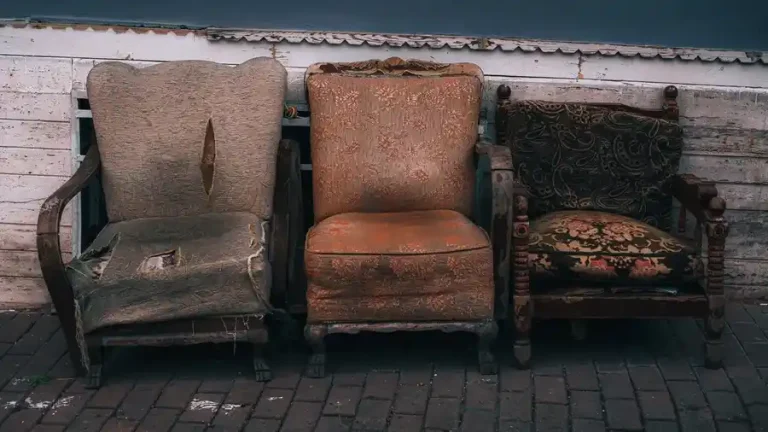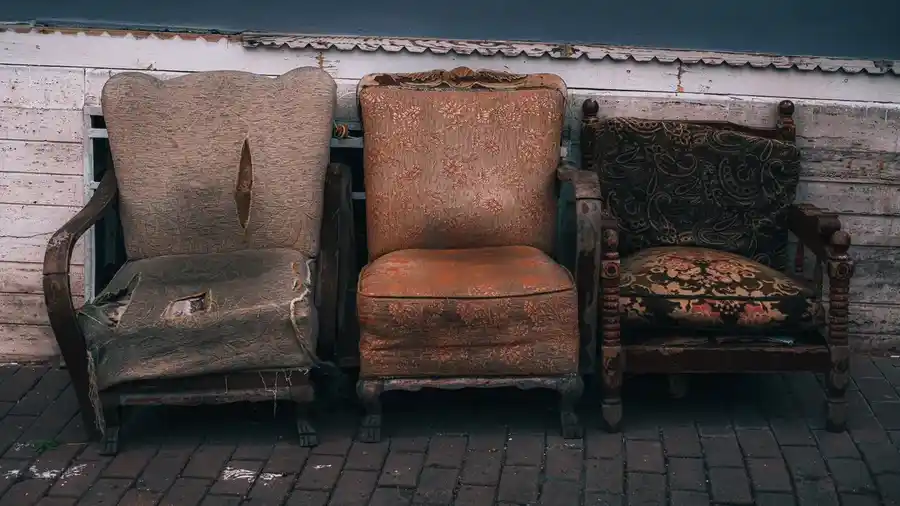
Worn upholstered chairs with faded fabric
Last updated: November 19, 2026
Quick Answer: Choose pillow covers with at least 3 fade-resistant details—stable dye, a tight fabric density, and a lined cover if they sit in indoor sunlight. Those details matter more than a fancy fabric name, because fading usually starts with UV exposure, weak dye, and thin construction at the same time. This guide on How to Choose Pillow Covers With Fade-Resistant Construction Details keeps the focus on the build, not the label.
Key takeaways
- Look at the build, not just the fabric label. Dye quality, weave density, and lining do most of the work.
- If a pillow sits near a bright window, treat it as a sun-exposed item, even indoors, and consider asking a fabric professional or retailer for care guidance.
- Lined covers can last longer in color, but they can feel stiffer and cost more.
- Dense fabric usually protects color better than loose fabric, especially on light-filled couches and beds.
- The wrong choice is a thin, unlined cover in a sunny room if you want the color to stay even.
What actually makes a pillow cover fade less?
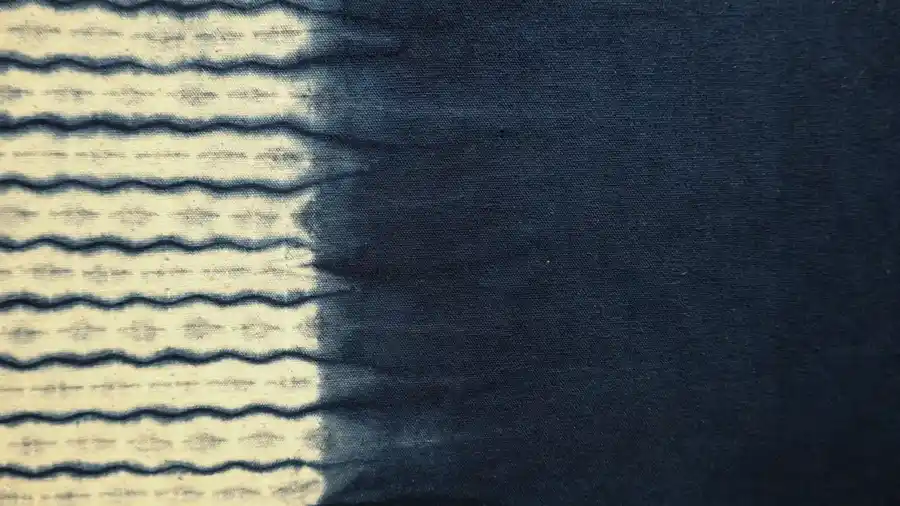
A pillow cover fades less when the dye stays stable, the fabric blocks more light, and the cover has enough body to slow down wear from window light and daily handling. That is the core idea behind fade-resistant construction details, and it matters more than the color name on the package.
Sunlight does most of the damage. UV exposure breaks down dye molecules over time, and indoor sunlight through windows can still reach the fabric. The U.S. Environmental Protection Agency explains that UV radiation is present in daylight and varies with exposure, while the American Cancer Society notes that UV rays can pass through some window glass less effectively than direct sun but still matter in bright indoor spaces. For a quick reference, see the EPA’s UV basics and the American Cancer Society’s UV radiation page. The EPA’s “UV Index” guidance also shows that exposure changes by time and place, not just by whether you are outdoors. EPA UV basics | American Cancer Society UV radiation
The reader’s job is not to find a cover that never changes. That is not realistic. The better goal is to buy a cover that changes slowly and evenly, so one side does not go pale while the rest still looks fresh. A quality dyed fabric with a denser build gives you a better starting point than a loosely woven, lightly finished cover.
This is also why two covers made from the same broad fabric type can age differently. One may have a tight weave, deeper dye penetration, and a lining. The other may be thinner, cheaper to make, and more likely to show sun patches after a season by a bright window.
Which construction details matter most?
The most useful details are dyed fabric, a lined cover, tight fabric density, and strong seams. Those are the parts that change how fast a pillow cover loses color in indoor sunlight, and they are easier to judge than marketing claims.
Use this comparison when you shop:
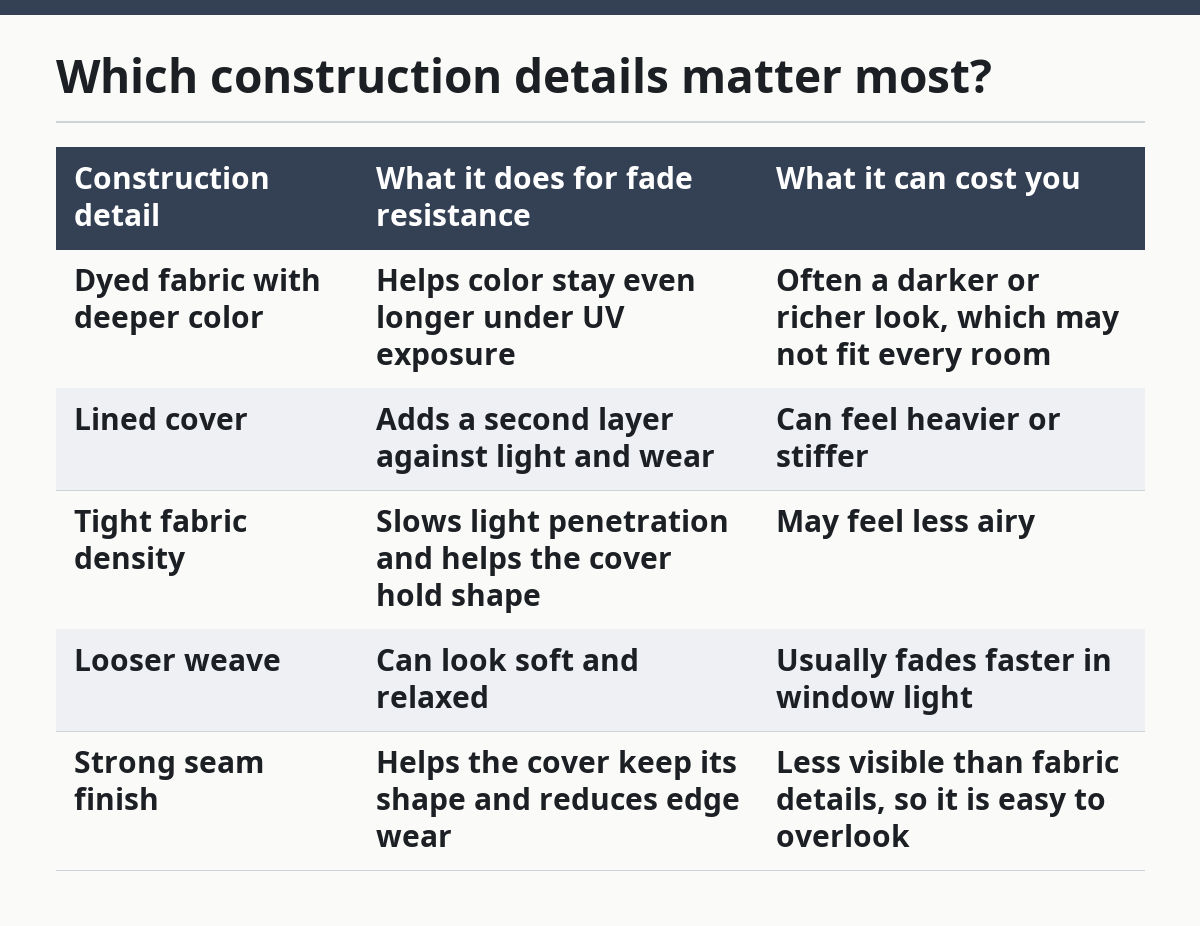
| Construction detail | What it does for fade resistance | What it can cost you |
|---|---|---|
| Dyed fabric with deeper color | Helps color stay even longer under UV exposure | Often a darker or richer look, which may not fit every room |
| Lined cover | Adds a second layer against light and wear | Can feel heavier or stiffer |
| Tight fabric density | Slows light penetration and helps the cover hold shape | May feel less airy |
| Looser weave | Can look soft and relaxed | Usually fades faster in window light |
| Strong seam finish | Helps the cover keep its shape and reduces edge wear | Less visible than fabric details, so it is easy to overlook |
A lined cover is one of the clearest signs that the maker expected the pillow to face light and daily use. It does not make the cover immune to fading, but it adds a buffer. That buffer matters most on a sofa near a bright window, on a bed with strong morning light, or in a room where the same side of the pillow gets sun every day.
Fabric density is the other big clue. A tighter fabric construction usually gives light less room to travel through the cloth. That does not require a hard number on the tag to be useful. You can often judge it by how much the fabric shifts when you hold it up to light and by whether it feels substantial rather than thin.
Strong seams do not stop fading by themselves, but they matter because a cover that loses shape looks worn faster. If the edge stretches out, the fabric can thin at stress points, and that worn area often shows color loss before the rest of the cover does.
How should I shop for fade-resistant pillow covers?
Shop by reading the construction clues in a fixed order, not by guessing from photos alone. The quickest way to avoid a weak choice is to look at dye, lining, density, and placement in the room before you look at trim or pattern.
Follow these steps:
- Start with the room placement. If the pillow sits within a few feet of a window or skylight, assume it will see regular UV exposure and pick a denser, lined cover.
- Check the fabric description for dyed fabric, not just a printed look. A cover that is built from dyed cloth usually gives more even color life than one that depends on a surface-only finish.
- Look for a lined cover or an inner layer. Even a simple lining can reduce the direct hit from window light and slow the visible fade line.
- Judge the weave density by eye and touch. A tighter cloth that feels substantial is usually a better bet than a loose, airy fabric if color life is the goal.
- Inspect seam work and edges. Clean stitching helps the cover keep its shape, which protects the fabric from early stress wear.
- Choose the pattern with fading in mind. Mottled, heathered, or multi-tone looks often hide small changes better than flat, saturated color blocks.
That order works because it starts with the exposure, not the style. A highly decorative cover can still be a poor choice if it sits in direct indoor sunlight for hours. A simpler cover with better construction often stays attractive longer.
If a seller gives no detail beyond “soft,” “premium,” or “luxury,” treat that as missing data, not as proof of quality, and consider asking the retailer or a fabric professional for specifics. For fade resistance, vague copy is usually a red flag. Look for concrete construction language such as dyed fabric, lining, dense weave, or reinforced edges.
One practical rule: if the listing shows the pillow only in low light and never explains the build, assume the photo is doing the work that the construction cannot.
When is a lined cover worth it?
A lined cover is worth it when the pillow sits in steady daylight, especially near a south- or west-facing window, or when the fabric color is deep and you want it to stay that way. The second layer slows the first stage of fading and can also help the cover hold its shape.
The trade-off is simple. A lined cover usually feels less light and airy than an unlined one, and that can matter on a decorative pillow that should drape softly. It may also cost more to make, which often shows up in the selling price. That extra cost is easier to justify when the pillow is highly visible, used every day, or placed in a bright room.
A lined cover is less useful if the pillow lives in a shaded corner, changes spots often, or gets swapped out with the seasons. In that case, tight weave and stable dye may matter more than an added layer. A lining is a strong choice, not a universal requirement.
This is also where indoor sunlight matters more than many shoppers expect. A pillow on a couch across from a window can fade while the same cover on a chair two feet away in the shade stays richer. The cover does not need direct outdoor sun to age; repeated light exposure is enough to make construction details count.
What mistakes shorten color life?
The biggest mistake is buying for look alone and ignoring how the pillow will sit in the room. A bright, unlined cover in a sunlit spot usually fades faster than a quieter one with better construction.
A second mistake is assuming all dark colors are equally durable. Deep color can hide some change at first, but it can also show the first pale edge sooner if the dye is weak or the fabric is thin. Dark is not the same thing as fade-resistant.
A third mistake is choosing a loose weave because it feels soft in the hand. Softness can be nice, but a thin, airy cloth gives light more access to the fibers. That usually costs you color life, especially near windows.
Because printed surfaces can behave differently from dyed fabrics, a fourth mistake is treating a printed surface like a dyed fabric. Printed detail can look sharp on day one and still lose punch faster than a cloth that was dyed through more evenly. If the listing does not say how the color is made, assume that matters, and ask the seller if the print is surface-applied or integrated into the cloth.
The fix is not complicated. Put the pillow where the sun is weaker, choose denser construction, and use lining when the cover will stay in the same bright spot for a long time. That combination protects the look much better than any single feature by itself.
How do I balance look and durability?
Balance look and durability by deciding which matters more in that exact spot, then choosing the strongest build that still fits the room. That usually means picking a good dyed fabric in the right color family, then checking for lining and density before you worry about texture details.
For a very bright room, a slightly less delicate fabric often wins. For a dim room, you can afford to choose more by hand feel and visual effect because fade pressure is lower. In both cases, the construction still matters. A beautiful cover that turns patchy in one season is not a good buy for a sunny couch.
This is where the reader’s own setup matters. A pillow cover on a sofa beside a large window needs more fade resistance than one on a guest bed in a dim room. The same fabric can be a smart pick in one place and a weak pick in another.
If you are comparing two covers and one mentions lining, dense weave, or dyed fabric while the other only names a style, take the more specific one unless you know the room is low-light. Specific construction details are usually the better clue to long color life.
What should I skip?
Skip ultra-thin covers, vague product pages, and anything that seems designed only for a quick photo. Those choices can look good at first and then show fading, stretching, or edge wear sooner than you want.
A cover is also a poor fit if the room gets strong window light and the seller gives no construction detail at all. That is the wrong place to gamble. Even if the color is exactly right, the finish may not hold up.
Skip a lined cover if you need a very soft, drapey feel and the pillow sits in shade. In that setting, a well-made unlined cover with tight fabric density may be the better match.
For the wider durability picture, this page supports the site’s pillow cover construction details and fade-resistant fabric guide without repeating every fabric category under the sun. The key point here is narrower: fade resistance comes from the build, not from style language.
What if the cover sits by a bright window?
If the cover sits by a bright window, choose the most protective construction you can comfortably live with: dyed fabric, a lined cover, and tight fabric density. That is a strong defense against window light and repeated UV exposure indoors.
Bright window placement changes the whole calculation. A pillow that only gets occasional evening light can be less demanding. A pillow that faces morning or afternoon sun every day needs a stronger build, because the same side of the cover gets hit again and again.
The honest trade-off is that stronger construction can feel less airy and less casual. If that matters to the room, a good compromise is to place the brightest fabric away from the window or choose a tone that can age with less visible contrast. That does not stop fading, but it makes the change less distracting.
A practical way to think about it: the more stable the dye, the tighter the fabric, and the better the lining, the longer the cover keeps its look in indoor sunlight. If one of those pieces is missing, the cover can still work, but the fade-resistant claim gets weaker.
What makes a pillow cover fade less over time?
A pillow cover fades less over time when the dye is stable, the fabric is dense, and the cover is shielded from strong indoor sunlight. That combination slows the change instead of pretending to prevent it. A lined cover helps too, especially near windows where UV exposure is steady.
Do construction details help with color fading?
Yes, construction details help with color fading because they change how much light reaches the fibers and how evenly the fabric ages. A lined cover and a tighter weave usually protect better than a thin, loose build. The effect is gradual, not absolute, so the room placement still matters.
A good construction choice does not make a pillow cover fade-proof, and that is the point. It gives you a slower, cleaner aging pattern instead of a fast, patchy one.
Drafted with AI; not yet reviewed by a person.
About the Author