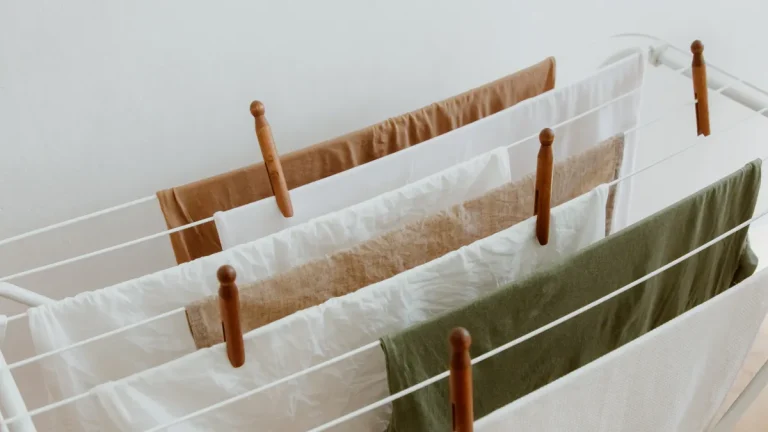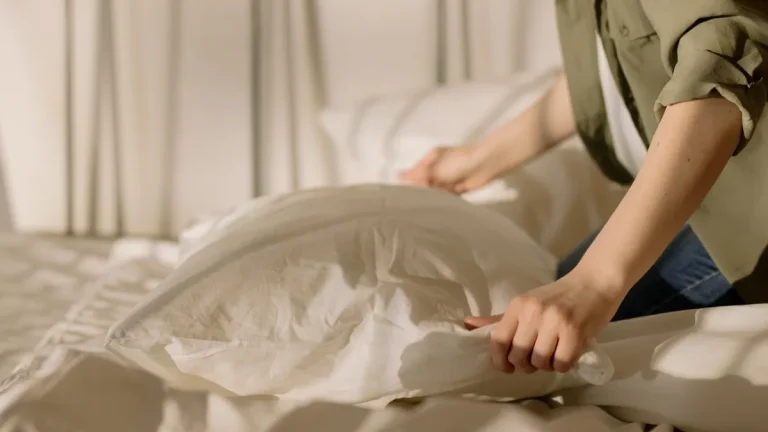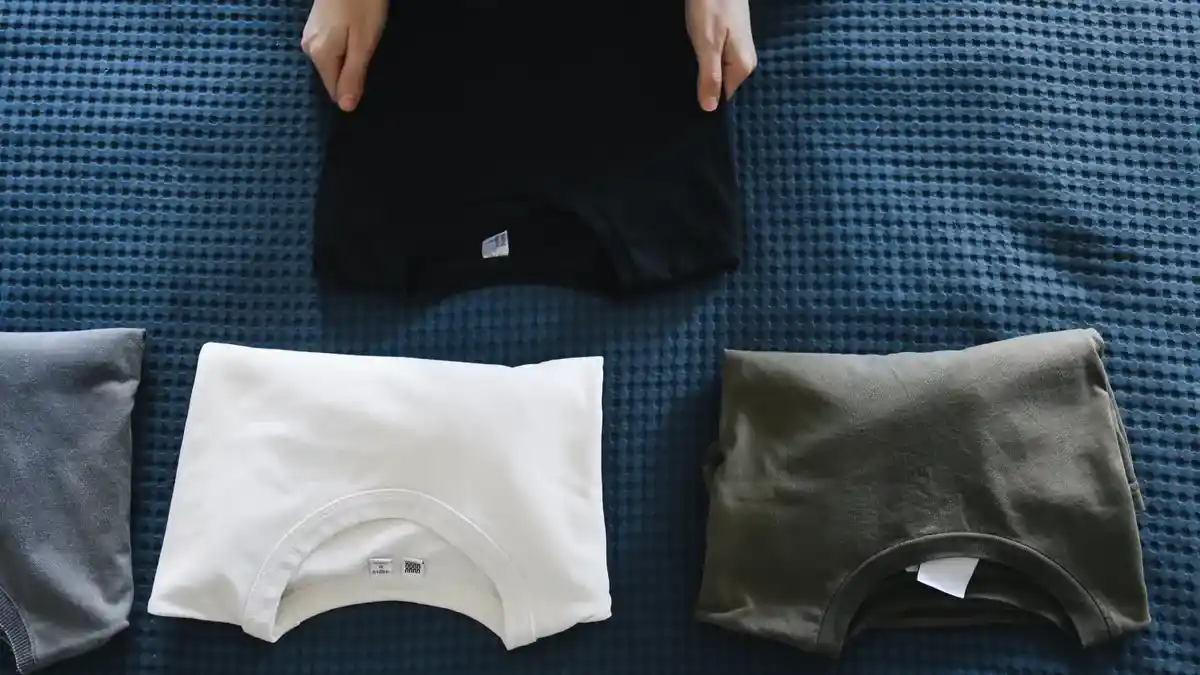
Folded pillow covers laid out on a bed
Last updated: November 19, 2026
Quick Answer: To pack pillow covers for travel, moves, or guest rotation, use 1 labeled zip bag or packing cube per set and keep the covers flat. Pillow covers wrinkle, snag, and get lost fast when they’re tossed loose into a bag. Pack them flat, grouped by room, and protected in a labeled zip bag or packing cube. The steps below show how to keep them clean, compact, and easy to find when you are packing for travel, a move, or pillow cover care and maintenance.
Key Takeaways
- Flat folds beat loose stuffing almost every time.
- A single zip bag or packing cube keeps sets together.
- Storage labels save time when you unpack in a new place.
- Pillow covers for guest rotation should stay grouped by room, not by pile.
- Vacuum bags can save space, but they can also press in hard creases.
How do you pack pillow covers for travel?
For travel, pack pillow covers flat in a zip bag or packing cube, then place that pouch against a suitcase wall so the fabric does not get crushed in the middle of the load. A weekend bag usually fits 1 clean set easily, and a gallon-size zip bag or small packing cube is enough for most trips.
That keeps the covers easy to find and helps them stay smoother than if they ride loose with shoes or toiletries. You do not need special gear. A simple gallon-size zip bag, a small packing cube, or even a clean cloth pouch will do the job. For example, a clear bag also makes it easier to spot the set fast at a hotel or stopover.
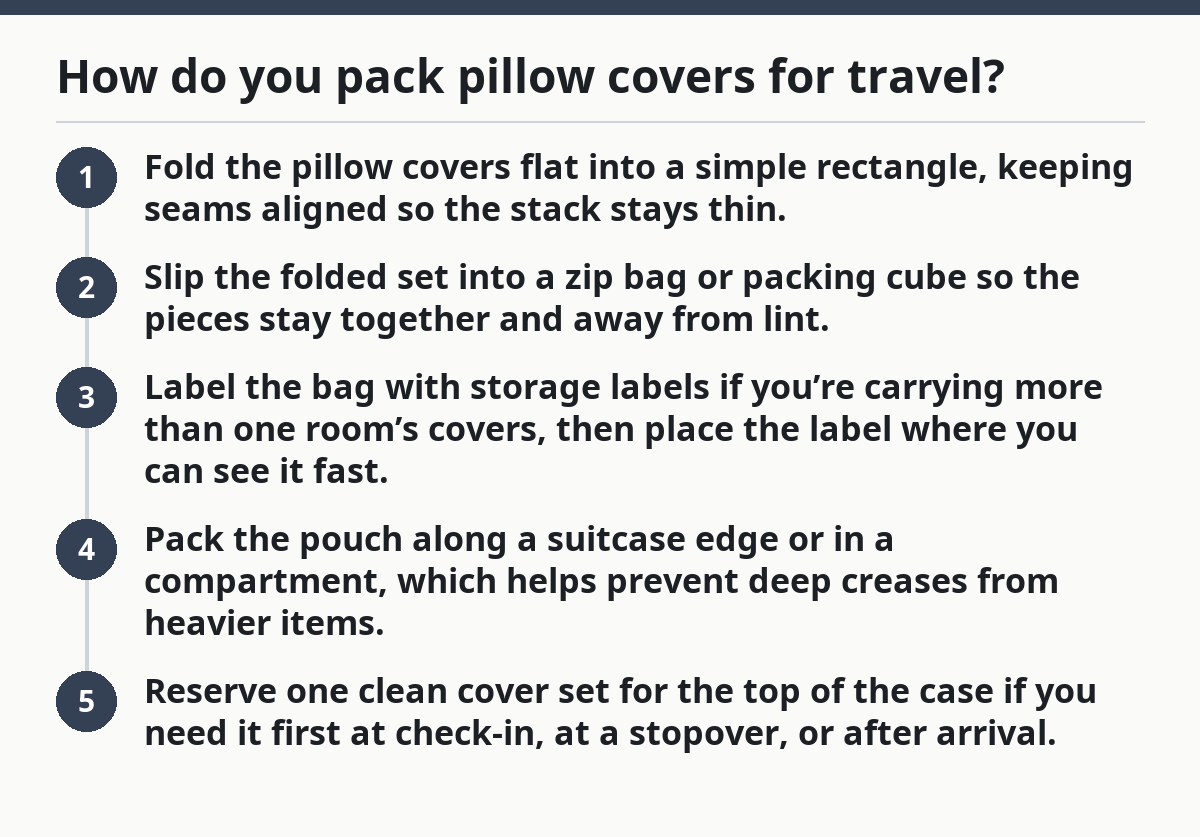
- Fold the pillow covers flat into a simple rectangle, keeping seams aligned so the stack stays thin.
- Slip the folded set into a zip bag or packing cube so the pieces stay together and away from lint.
- Label the bag with storage labels if you’re carrying more than one room’s covers, then place the label where you can see it fast.
- Pack the pouch along a suitcase edge or in a compartment, which helps prevent deep creases from heavier items.
- Reserve one clean cover set for the top of the case if you need it first at check-in, at a stopover, or after arrival.
A packing cube works best when the covers are part of a larger clothing load. A zip bag works best when you want a low-friction, see-through option and you’re packing just one or two sets. Either way, the point is the same: keep the fabric flat, contained, and separate from dirty items.
On the flip side, don’t jam pillow covers into the bottom of a suitcase under shoes or chargers. That crushes the fabric and makes the fold lines harder to remove later. A simple pouch costs less in time than trying to smooth out a hard crease in a hotel room.
What is the best way to pack pillow covers for a move?
For a move, the best way to pack pillow covers is to group them by room, protect them in one bag per set, and store those bags inside a box or drawer carton. Moving is a labeling job as much as a folding job, and pillow covers are easiest to unpack when each set stays tied to its room.
Picture this: you’re packing a bedroom, a guest room, and a spare linen shelf on the same day. If you keep everything in one bin, the first night in the new place turns into a hunt for matching covers and the right size. If you sort now, unpacking takes minutes.
Use these rules:
- Put each room’s pillow covers in a separate zip bag or packing cube.
- Add storage labels with the room name, cover size, or pattern.
- Keep the bags in one moving box, not loose in several cartons.
- Place heavier linens under the pillow covers so the folds don’t get flattened hard.
A moving box gives better shape protection than a soft tote. A tote can collapse under weight, which pushes creases into the fabric. A box also makes it easier to stack similar textiles together, especially if you are moving more than one bedroom set. That matters most when the box stays closed for hours or days before unpacking.
The catch is that pillow covers should not be overpacked just to save space. When a bag is stuffed tight, seams catch, zippers strain, and the fabric wrinkles deeper. Leave a little air in the pouch so the covers can lie flat instead of being bent around corners.
If the covers are part of a larger linen move, a simple note on the outside of the box helps more than memory. “Guest room pillow covers” beats a vague label every time. When How to Pack Bed Linens for Moving is part of the plan too, the same room-by-room labeling system keeps everything aligned.
How should pillow covers be packed for guest room rotation?
For guest room rotation, pillow covers work best in sets that come back out in the right order. That means one labeled bundle per room, with the current set ready to grab and the backup set stored beside it, not buried in a general linen pile.
Picture this: you’re turning over a guest room between visits and you need the covers to match the bedding fast. You do not want to open three bags to find the right pair. A labeled system cuts that hunt down to one glance.
Use a simple rotation system:
- Put the active guest room covers in one packing cube or zip bag.
- Mark the bag with the room name and the set order, such as “current” or “backup.”
- Keep both sets in the same storage area so rotation stays easy.
- Separate light colors from dark colors if you want to avoid mix-ups.
- Repack the used set right after laundry so the next swap is quick.
Storage labels matter here more than in a one-off trip. A guest room can sit untouched for weeks, and memory fades. A clear label tells you what belongs where without opening every pouch.
The truth is, rotation packing is not about saving the most inches. It is about making the next setup quick and error-free. If you rotate guest bedding often, a dedicated set of packing cubes or zip bags for textile groups is worth the drawer space. If guest use is rare, a single labeled bag per room is enough. For a broader setup, guest bedding storage ideas can help you keep the whole linen area organized.
Do not mix guest room pillow covers with seasonal decor stock on this page. That belongs to a different job. Here, the goal is speed, not styling.
How do you keep pillow covers from wrinkling in a suitcase?
You keep pillow covers from wrinkling in a suitcase by folding them flat, packing them near a rigid edge, and avoiding heavy compression. The less bending and crushing they take, the smoother they come out.
Picture this: you’ve got a short trip, a soft-sided bag, and one linen cover that shows every crease. The cover will wrinkle less if it lies against a suitcase wall than if it sits in the middle under a pile of jeans.
Use these tactics:
- Fold along existing seams when possible.
- Stack two covers together so the folds line up.
- Place tissue paper, a clean T-shirt, or a thin cloth between layers if the fabric snags easily.
- Put the pouch in a side compartment rather than the suitcase center.
- Keep liquids in a separate pouch so spills do not reach the fabric.
A suitcase compartment helps more than people expect. It keeps the covers from sliding around during transit, and that reduces repeated creasing. A zip bag inside the compartment adds another layer of control.
Do not roll pillow covers tightly unless the fabric is very soft and forgiving. Tight rolls can work for some clothes, but they often leave hard curves in woven covers. Flat folds are usually safer for home textiles.
If wrinkle control matters more than space, choose a slightly larger packing cube instead of a smaller one that squeezes the fabric. That trade-off is usually worth it. The covers unpack cleaner, and you spend less time smoothing corners by hand. When you also pack travel laundry bags, keep them separate so clean fabric does not pick up odors.
Can pillow covers be packed in vacuum bags?
Yes, pillow covers can be packed in vacuum bags, but that choice is best for long moves or overflow textiles, not for a quick trip. Vacuum compression saves space, yet it can leave sharp fold lines and make the fabric less pleasant to unpack right away. It is a good fit when the covers may stay packed for weeks or months.
Picture this: you are packing extra bedding for a move, not one overnight stay. A vacuum bag can shrink the load and keep the covers together, especially if the rest of the box is already full. It works best when you care more about volume than immediate presentation.
Use vacuum bags when:
- You are moving a full linen collection.
- The covers are clean and fully dry.
- You can tolerate deeper wrinkles later.
- You want to keep the bundle together for weeks or months.
Skip vacuum bags when:
- You need the covers soon after arrival.
- The fabric is delicate, textured, or prone to deep crease marks.
- You are traveling light and want quick access.
- You only have one or two covers to pack.
The trade-off is simple: vacuum bags buy space, but they can cost you time at the other end. Once the bag is opened, the covers often need hanging or smoothing before use. A regular zip bag or packing cube is the better fit for most travelers and guest-room swaps. For more textile guidance, The Spruce’s bedding storage advice and Martha Stewart’s linen-storage tips both point toward clean, dry, breathable storage.
If you do use a vacuum bag, keep the covers in a labeled inner pouch first. That extra layer makes it easier to sort by room later, and it protects the set from getting separated when the outer bag is opened.
What mistakes ruin pillow cover packing?
The biggest mistakes are mixing sets, overstuffing bags, and packing covers loose with dirty items. Those three habits cost you time, add wrinkles, and make unpacking messy.
Picture this: you open a suitcase after a move or hotel stay and find one cover with socks, one in a toiletries bag, and one crushed under a charger. Now you have to sort, clean, and smooth the whole batch before use. That is avoidable.
Common mistakes and what they cost:
- Loose packing: covers slide around and pick up lint.
- No labels: you waste time guessing which room each set belongs to.
- Overfilled bags: seams bend hard and wrinkles set in deeper.
- Mixing clean and used textiles: fresh covers can pick up odors or dirt.
- Using the wrong container: a floppy tote gives less protection than a packing cube or box.
A labeled system is the fix for most of these problems. Storage labels are cheap insurance against confusion, especially when you’re dealing with more than one guest room or family bedroom. A simple room name written on tape can save a lot of opening and resealing.
There’s also a judgment call here: not every cover needs the same packing method. A short car trip can get by with a zip bag in a daypack. A cross-country move usually needs more structure, like packing cubes inside a box. Pick the container that matches the trip, not the one that is closest at hand.
For more on upkeep between trips, the guide to pillow cover care and maintenance can help with the cleaning side. This page stays focused on transport and rotation, which is the part most people fumble first.
How do you pack pillow covers so they do not wrinkle?
To keep pillow covers from wrinkling, pack them flat in a zip bag or packing cube and keep the pouch against a suitcase edge. That setup limits crushing and helps the fabric hold a cleaner fold. If the fabric is delicate, slip in a thin cloth layer between pieces and avoid stuffing the bag tight.
Can pillow covers be packed in vacuum bags?
Yes, pillow covers can go in vacuum bags, but they are better for moves than for short travel. Vacuum compression saves space, yet it can leave deep creases and slow down unpacking. Use them only when space matters more than instant use.
How do you separate pillow covers for different rooms?
Separate pillow covers by room before you pack them, then label each bag or cube with the room name. That keeps guest room, primary bedroom, and spare set covers from mixing together. Clear storage labels make rotation faster and cut down on sorting later.
Drafted with AI; not yet reviewed by a person.
About the Author