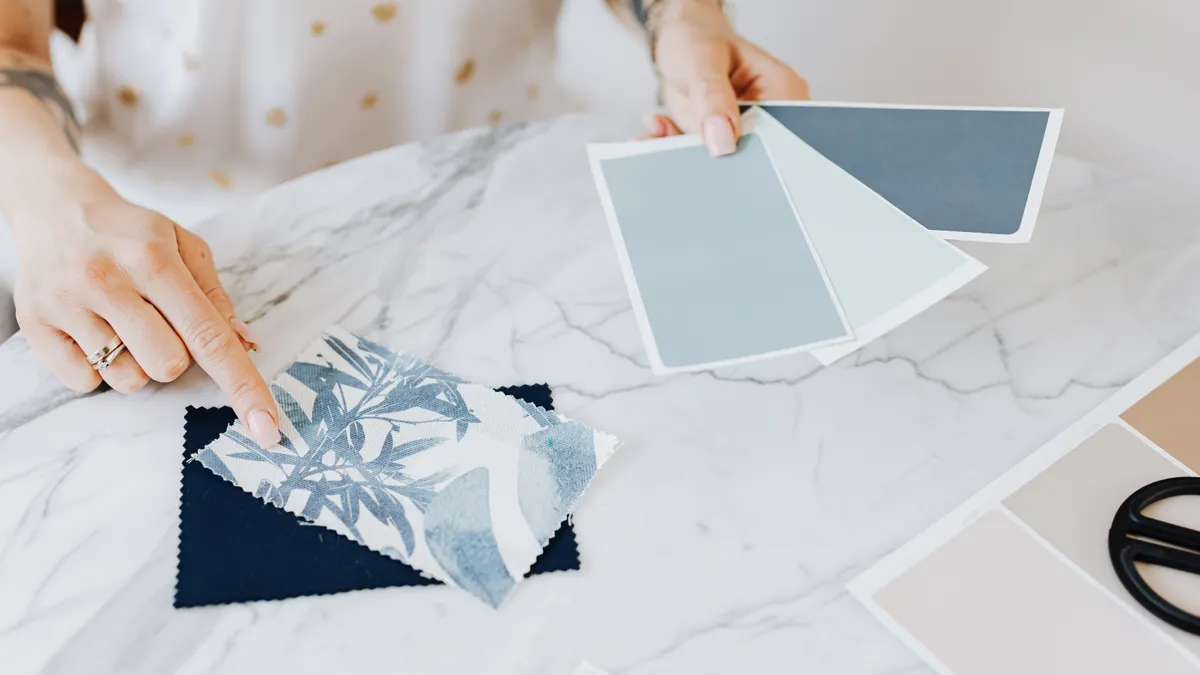
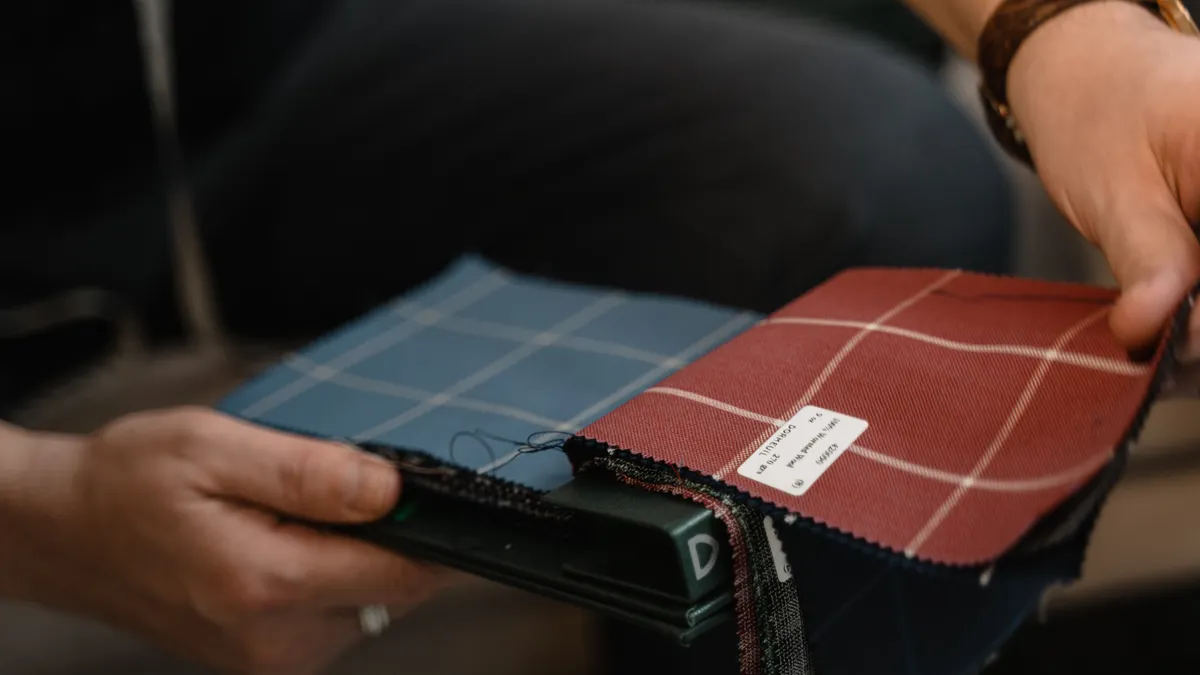
Hands comparing upholstery fabric swatches
Last updated: November 18, 2026
Key Takeaways
- Choose a nursery pillow cover for feeding comfort, quick cleanup, and a calm look.
- Cotton is the easiest starting point; cotton blends are the next practical step.
- A nursery cover should feel soft without feeling flimsy.
- Smooth, well-made closures are the easiest to live with.
Nursery pillow covers need to be soft, washable, and easy to close without loose parts. Pick washable covers with smooth closures, calm colors, and fabrics that stand up to feeding spills and daily use. The steps below will help me choose the right cover for a nursery chair, rocking chair, or feeding corner without guessing. For How to Choose Pillow Covers for a Nursery, the simplest answer is to start with a washable cotton or cotton-blend cover and a smooth closure.
Our Top 3 Picks at a Glance
- #1 Best Overall: Washable cotton or cotton-blend cover with an envelope or hidden-zip closure
- #2 Best Budget Pick: Simple cotton cover in a calm solid color with an envelope back
- #3 Best Heavy-Duty / Upgrade Pick: Durable cover with a hidden zipper, reinforced seams, and easy machine washing
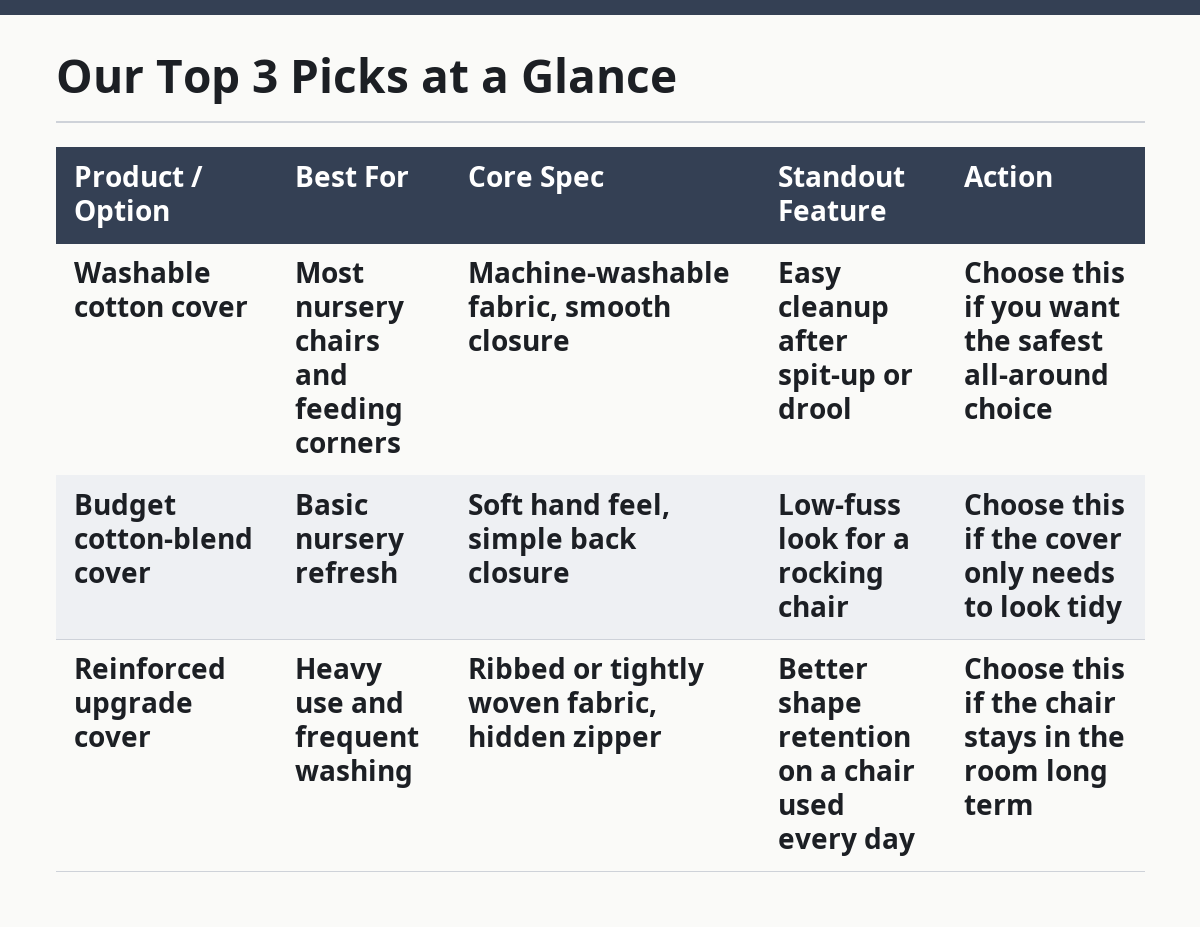
| Product / Option | Best For | Core Spec | Standout Feature | Action |
|---|---|---|---|---|
| Washable cotton cover | Most nursery chairs and feeding corners | Machine-washable fabric, smooth closure | Easy cleanup after spit-up or drool | Choose this if you want the safest all-around choice |
| Budget cotton-blend cover | Basic nursery refresh | Soft hand feel, simple back closure | Low-fuss look for a rocking chair | Choose this if the cover only needs to look tidy |
| Reinforced upgrade cover | Heavy use and frequent washing | Ribbed or tightly woven fabric, hidden zipper | Better shape retention on a chair used every day | Choose this if the chair stays in the room long term |
Start with the nursery job, not the decor
A nursery pillow cover should match the room’s job first: comfort during feeding, easy cleanup after spills, and a calm look near a crib chair or rocking chair. If the chair gets used every day, the cover has to handle more than decoration.
Here’s the catch: a pretty fabric that hates washing becomes a problem fast. A cover in the nursery, crib chair, or feeding corner should be useful before it is cute. Because of that, I start by measuring the insert and checking how often the chair gets used.
-
Measure the insert before shopping.
Match the cover to the insert size, not the chair size, so the shape sits right. -
Check the chair’s use.
If the spot is for feeding, choose something soft and washable instead of a delicate show fabric. -
Match the room’s function.
A rocking chair used for long feeds needs a cover that feels pleasant against bare arms and necks. -
Choose a calm color palette.
Soft neutrals, muted greens, pale blues, and warm grays tend to settle the room without making the chair disappear.
A nursery cover is not the place for a fussy textile that wants special care after every wash. Keep the job simple. That is the point. For a feeding corner, simple care matters more than decoration.
What material works best for a nursery pillow cover?
Cotton is the easiest starting point for a nursery pillow cover, and a cotton blend is the next most practical choice. The fabric should be soft enough for frequent contact, smooth enough for a baby’s room, and simple enough to wash without drama.
The practical part is simple too. A cover that can handle repeated washing at home and still look neat on a nursery chair is usually more useful than a special fabric with a fragile finish.
- Cotton: Soft, breathable, and easy to find.
- Cotton blends: Often hold their shape a little better than pure cotton.
- Linen-look fabrics: Can work for a calm, natural look, but many are more textured and may feel less soft against the face or arms.
- Polyester blends: Often resist wrinkling and can be easy to wash, but check that the hand feel is still gentle enough for a feeding corner.
A material choice should also fit the season of use. In a warm room, a lighter woven fabric feels better than a heavy one. In a cooler room, a slightly denser weave can feel more comfortable on a chair that gets used for 20-minute feeds and longer rocking sessions.
How soft should the cover be?
A nursery cover should feel soft without being flimsy. The goal is a surface that feels pleasant on skin for long sits, not a fragile finish that pills, snags, or looks worn after a few washes.
Since the room is used often, softness has to last. The simplest rule is to choose a fabric that feels smooth in hand and stays that way after washing. If the weave feels scratchy in the store or the product notes warn about hand-wash care, skip it.
- Soft enough for bare skin: If a parent may lean on it during feeding, the fabric should not feel rough on forearms or cheeks.
- Tight enough to last: A cover should not stretch into a baggy shape after a short time.
- Smooth enough for naps nearby: A baby room often needs fabrics that do not catch on clothing or blankets.
A common mistake is choosing a decorative fabric because it looks refined in photos. That can cost you comfort every single day. The better move is a soft cover with a low-gloss finish and a weave that can take regular washing without turning stiff.
Should nursery pillow covers have zippers or envelopes?
An envelope closure is usually the safer, simpler choice for a nursery pillow cover, while a hidden zipper is the better pick when you want a tighter fit and cleaner shape. Both can work well if the closure is smooth and well made.
Here’s the trade-off: envelopes are easier to handle and avoid hard metal parts, but they can feel a little looser. Hidden zippers hold the insert more firmly, but the zipper pull and seam construction need to be neat so nothing rough pokes out.
-
Inspect the closure style.
Check whether the back opening stays flat and does not expose sharp edges or bulky hardware. -
Look for concealed hardware.
A hidden zipper should sit under fabric, not against the person using the chair. -
Avoid loose ties or decorative buttons.
Small removable parts are not a good match for a nursery setup where items get handled often. -
Test the opening width.
A cover that is hard to load is annoying now and worse after the third wash.
For a feeding corner, I lean toward a hidden zipper or a clean envelope back. A button-front accent cover can look nice elsewhere in the house, but it is not the first choice for a room where everything needs to be calm, fast, and low-fuss. In a nursery, the closure should disappear into the background.
Which closure and seam details are worth checking?
Strong seams and a smooth closure matter more than most people think. In a nursery, the cover is likely to be removed often for washing, and weak stitching shows up fast at the corners and zipper ends.
The first thing to check is how the seam sits where stress will land. The second is whether the closure lies flat when the insert is inside. If the edges twist or gap, the cover will look tired even if the fabric is good.
- Reinforced seams: Help the cover keep its shape after repeated washing.
- Neat corner construction: Keeps a square insert from looking sloppy.
- Hidden zipper tape: Reduces scratchy contact and makes the back look cleaner.
- No rough trims: Fringe, beads, and raised trim are poor fits for a crib chair or feeding corner.
This is where a lot of generic advice falls short. A cover can be soft and pretty and still be the wrong choice if the seam line is weak. In a nursery, durability is not a bonus feature. It is part of the comfort.
A good standard to keep in mind is simple: if the cover looks hard to take off and put back on, it will feel harder every time you wash it. Choose the one that makes upkeep easy. According to the U.S. Consumer Product Safety Commission, safer nursery choices also tend to avoid small loose parts.
How do you choose colors for a calm nursery space?
Pick colors that make the room feel settled, not busy. A calm nursery palette helps the chair blend with the space while still looking intentional next to a crib, bassinet, or feeding corner.
Neutral shades, dusty pastels, and muted earth tones work well because they do not fight the other pieces in the room. Strong patterns can be charming, but they often read as visual noise when you are sitting in the room for long stretches.
- Soft neutrals: Cream, oatmeal, stone, and gray keep the room quiet.
- Muted color: Sage, dusty blue, blush, and sand add warmth without shouting.
- Small-scale pattern: A tiny print can hide light marks better than a large bold motif.
- Tone-on-tone texture: A woven look can add depth while staying calm.
The right color also depends on the chair itself. A dark rocking chair can handle a lighter cover. A light chair may benefit from a slightly deeper tone that hides wear better. If the room is small, avoid high-contrast graphics that make the chair feel bigger than it is.
What should you skip in a nursery cover?
Skip anything that adds hassle, scratchiness, or loose parts. A nursery cover should not have heavy embellishment, difficult care instructions, or a fabric that loses shape after one wash cycle.
This is the part people regret after the first spill. A beautiful cover that needs delicate care becomes a chore in a room built around repetition. A feeding corner sees crumbs, milk, drool, and frequent sitting, so the cover has to behave like a workhorse.
- Skip delicate trims: They catch, snag, and date the room fast.
- Skip hard closures: Bulky zippers and exposed hardware can be annoying against the body.
- Skip high-maintenance fabrics: Anything that wants special care is a poor nursery fit.
- Skip stiff textures: They feel out of place in a room meant for feeding and settling.
If the cover is for a chair that gets used every day, choose the one you can wash without hesitation. That is usually the right answer, even if the more decorative option looks prettier online. For that reason, I treat easy care as a deciding factor, not an afterthought.
For a broader buying framework, the hub on best pillow covers for everyday use, allergy relief, and decorative needs can help me compare room-by-room priorities without repeating the same mistakes.
How to buy the right nursery pillow cover, step by step
The right nursery cover is the one that fits the insert, feels soft enough for long sitting, and comes apart cleanly for washing. Follow the steps in order so you do not end up with a cover that looks right but works badly.
-
Measure the insert.
Use the insert’s length and width so the cover fits the actual cushion, not the chair. -
Choose the fabric.
Start with cotton or a cotton blend for a soft feel and easy care. -
Pick the closure.
Envelope backs are simple; hidden zippers give a neater shape. -
Check the seam finish.
Look for tidy corners and reinforced stitching where the cover will take stress. -
Decide on color.
Use a calm shade that suits the room and does not visually fight the crib or rocker. -
Confirm care instructions.
Machine-washable fabric is the easiest answer for a feeding corner.
That order matters. If you shop by color first, you can miss the part that makes the cover livable. A nursery chair gets used in real life, not in a product photo. Therefore, function should lead and style should follow.
What nursery pillow covers are best for?
The best nursery pillow covers are soft, washable, and closed in a way that stays neat without creating rough edges. A simple cotton or cotton-blend cover with an envelope or hidden-zip closure is the most practical choice for a crib chair, rocking chair, or feeding corner.
These are best for people who want a cover that works quietly in the background. They are not for someone who wants a fragile decorative piece that needs careful handling. In a nursery, easy care beats fuss every time.
Should nursery pillow covers have zippers or envelopes?
Either can work, but an envelope closure is usually simpler and a hidden zipper gives a cleaner fit. The better choice depends on how often you will wash the cover and how snug you want it to sit on the insert.
If you want the least fussy option, go with an envelope back. If you want a tighter look on a chair that stays in place, choose a hidden zipper with smooth hardware and neat stitching. In either case, the closure should stay flat and easy to manage.
What materials work best in a baby’s room?
Cotton and cotton blends are the safest starting points for a baby’s room because they are soft, familiar, and easier to wash. A smooth woven fabric is usually better than a rough or delicate one for a nursery chair.
If the room runs warm, choose a lighter fabric. If you want the cover to keep its shape through repeated washing, look for a tighter weave and strong seams rather than a fancy finish. The Consumer Product Safety Commission and ASTM International both publish guidance that can help parents think about nursery safety and textile standards.
Authoritative sources worth checking
- ASTM International standards for textile flammability and safety language
- The U.S. Consumer Product Safety Commission for nursery and infant product safety guidance
These are useful reference points if you want to compare materials and closure choices with a safety-first lens.
Drafted with AI; not yet reviewed by a person.
About the Author