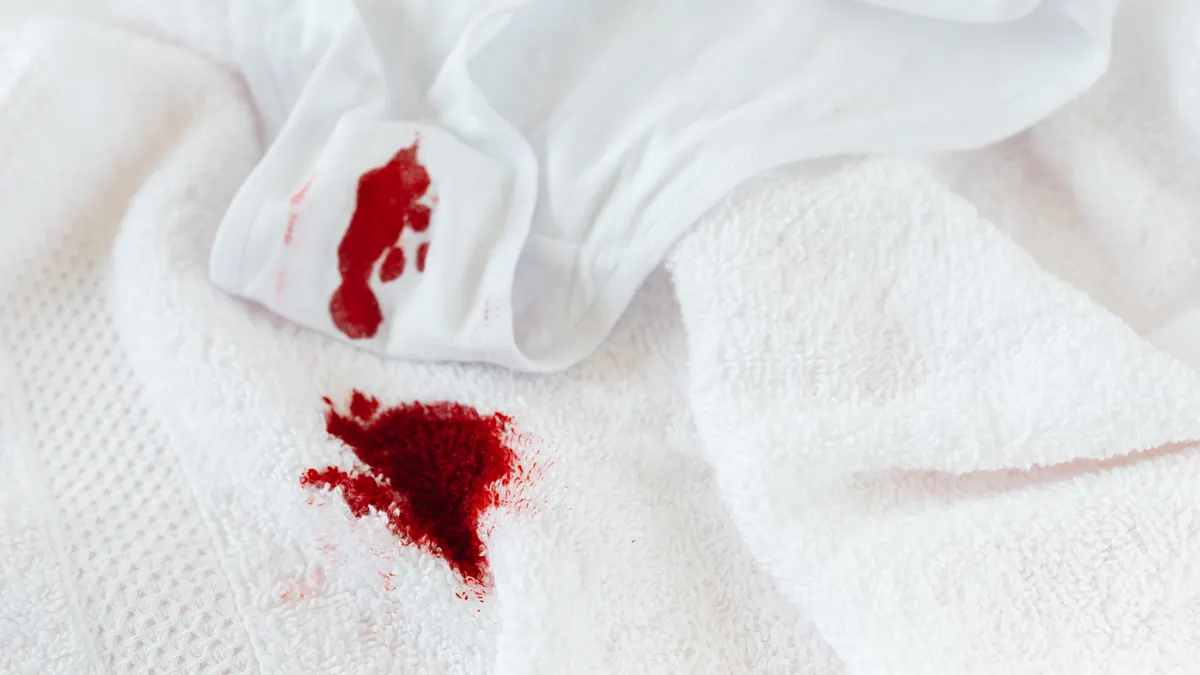
White fabric with red stain spots
Last updated: November 18, 2026
Key Takeaways
- Match the stain and fabric first, then choose the gentlest cleaner that fits.
- Start fresh stains with a small amount of mild soap or liquid detergent.
- Lift makeup and oil with an absorbent step before you add water.
- Food and drink stains usually need cool water, blotting, and a little detergent to avoid heat-setting color.
How to Remove Stains From Pillow Covers Without Fading the Fabric works best when you treat the spot first and match the cleaner to the fabric. Use the mildest method that can lift the stain, then wash only after the mark has loosened. The steps below settle what to use, what to skip, and how to protect cotton, linen, polyester, silk, and velvet.
Start by reading the stain and the fabric
Picture this: you spot a fresh mark on a cover before bed, and you want it gone without turning the whole piece dull or patchy. The right first move is to match the stain type and fabric before you add water or cleaner.
A little care here saves the finish. Cotton and polyester usually tolerate more than silk or velvet, while linen can show color loss if you scrub hard or use strong chemicals. If the cover has a care label, follow it first; if it says dry clean only, stop there. The label is usually the best guide, not guesswork.
Use this quick sort before you touch the stain:
- Oil stains: makeup, face cream, hair oil, salad dressing
- Protein stains: sweat, saliva, dairy, egg
- Color stains: coffee, tea, wine, fruit, makeup pigment
- Set-in stains: marks that have already been washed or dried once
If the stain is still damp, blot with a clean white cloth for 30 to 60 seconds. Don’t rub. Rubbing drives pigment deeper and can rough up the weave, especially on silk and velvet.
For a wider care plan, this fits into the larger pillow cover care and maintenance routine, where stain removal sits before full washing and drying.
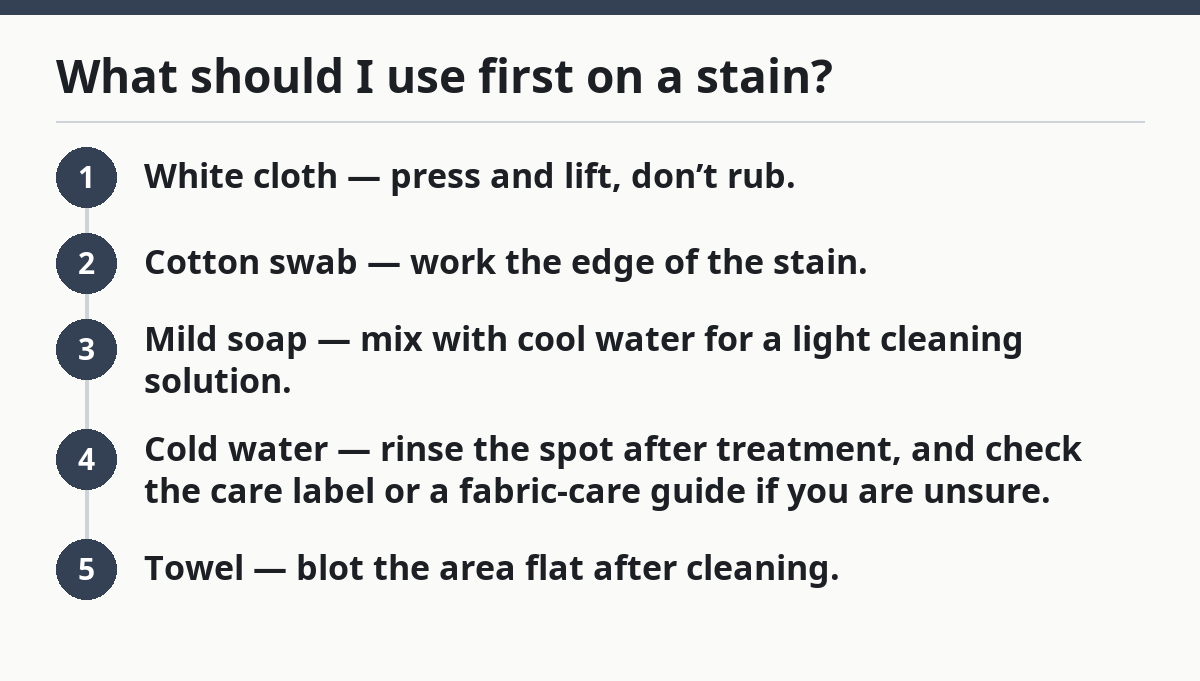
What should I use first on a stain?
Use a small amount of mild soap or liquid detergent first, because that is often the safest starting point for most fresh stains. A weak cleaner and cool water can do the job without stripping dye or changing the hand of the fabric.
Here’s the catch: the cleaner matters less than the way you use it. Strong scrubbing is what does most of the damage. A soft white cloth, a cotton swab, or the edge of a clean towel gives you control and keeps the wet area small.
Start with these tools:
- White cloth — press and lift, don’t rub.
- Cotton swab — work the edge of the stain.
- Mild soap — mix with cool water for a light cleaning solution.
- Cold water — rinse the spot after treatment, and check the care label or a fabric-care guide if you are unsure.
- Towel — blot the area flat after cleaning.
Apply the diluted soap to the stain and wait about 5 minutes. Then blot from the outside edge toward the center. If the mark lightens, repeat once before you move to anything stronger. If it does not change at all, stop and switch to a stain-specific method rather than scrubbing harder.
For cotton and many polyester covers, this first pass may be enough for light makeup or food spots. For silk, keep the area barely damp and avoid soaking the seam. On linen, keep pressure gentle; hard rubbing can leave a polished patch that looks lighter than the rest.
How do I treat makeup and oil stains without fading the fabric?
Treat makeup and oil stains with an absorbent first step, then a mild cleaner, because oil needs to be lifted before water can do much. A dry absorbent like baking soda helps pull grease from the weave before you blot.
This is the stain type most readers miss. Smears from foundation, sunscreen, lotion, lip balm, and hair products often spread if you go straight to water. On light fabric, that can leave a shadow even after washing.
Use this sequence:
- Baking soda — sprinkle a thin layer on the dry stain and wait 15 to 20 minutes.
- Soft brush — lift off the powder without grinding it in.
- Detergent — dab a small amount of diluted liquid detergent onto the spot.
- Cold water — blot with a damp cloth until the residue loosens; if you are unsure about the fabric, check the label or consult a fabric-care professional.
- Clean towel — press dry.
If the mark is still there, repeat once more before washing. For heavy makeup, a dab of mild soap can help, but keep the solution light. A strong paste or a long soak can leave a ring, especially on linen and some silk blends.
The trick is restraint. A thick coating of powder looks useful, but it can leave a dusty edge if you don’t brush it off fully. On velvet, avoid scrubbing the nap; press the cleaner in with the cloth and pat it out instead. For polyester, you have a little more room to work, but even then, don’t chase the stain with heat.
How do I get food, coffee, and wine marks out safely?
Food and drink stains lift best with cool water, blotting, and a small amount of detergent, because heat can set color into the fibers fast. The sooner you treat the mark, the less chance it has to fade the surrounding fabric.
A fresh coffee or tea mark often responds to repeated blotting. Wine and fruit stains can need a little more patience, but the same rule holds: keep the stain small and the cleaner mild. Do not pour hot water on it unless the care label says the fabric can take that.
Follow this order:
- Cold water — blot the stain from the back side if possible.
- Detergent — dab a drop of diluted liquid detergent on the spot.
- White cloth — press until the stain starts to transfer.
- Rinse — use cool water to remove the cleaner, and if the cover is delicate, follow the label or ask a cleaning professional for guidance.
- Air dry — let the spot dry fully before judging the result.
If the mark is a strong color stain, such as red wine or dark juice, repeat the blot-and-rinse cycle before you move to any stronger treatment. A fresh stain that turns pale is a good sign. A stain that spreads outward is a sign you used too much liquid.
On cotton, this method is usually straightforward. On silk, keep the contact short and avoid aggressive rinsing. On velvet, test the cleaner on a hidden seam first, because water can flatten the pile and leave a dull patch. A cover that starts to look blotchy should stop getting wet right away.
When does oxygen bleach make sense, and when should I skip it?
Oxygen bleach makes sense for stubborn stains on colorfast cotton and some polyester covers, but it is not the first choice for silk, velvet, or anything with an uncertain dye. It can help with set-in marks without the harshness of chlorine bleach.
This is the point where many generic guides go wrong. They treat oxygen bleach like a cure-all. It is not. It is a stronger cleaner, and stronger cleaners need more caution, not less.
Use it only if the care label allows it and the fabric is stable:
- Mix according to the package directions.
- Spot-test on a hidden seam first.
- Apply to the stain with a cotton swab or soft cloth.
- Wait the shortest time that lets the stain lighten.
- Rinse thoroughly with cool water.
Never use it on a delicate finish just because the stain looks old. Silk can lose its sheen, and velvet can show a roughened patch that never blends back in. If the cover is dyed in a deep color, check the test spot after it dries, not just when it is wet.
Set-in stains often need two rounds rather than one heavy round. That is the safer route. A mild cleaner used twice is usually better than one aggressive treatment that burns the color.
What are the mistakes that fade pillow covers fastest?
Using too much heat, too much rubbing, and too much bleach fades fabric faster than the stain itself. Those mistakes change the whole panel, not just the spot, and the damage is often permanent.
The common traps are easy to spot:
- Hot water on color stains can set pigment and leave a dull halo.
- Hard scrubbing can thin the weave and make the treated area look lighter.
- Chlorine bleach can strip dye in seconds and weaken fibers.
- Skipping the spot test can turn a small mark into a large discolored patch.
- Leaving cleaner on too long can stain the fabric in a new way.
The safer move is slower. Treat a spot for a few minutes, rinse, inspect, and repeat if needed. That works better than flooding the area with cleaner and hoping the wash cycle fixes it later.
The best part is that this approach also protects texture. On linen, you avoid shine and abrasion. On cotton, you keep the color more even. On velvet, you avoid flattening the nap. On silk, you keep the finish from turning cloudy.
If a cover is already faded in spots, don’t try to “even it out” with harsh bleach. That usually makes the whole piece look worse. A gentler clean can still remove the stain and leave the fabric looking more even than a strong one.
How do I handle set-in stains before washing the cover?
Set-in stains need a longer pre-treatment and a second pass, because dried residue bonds more tightly to the fibers than fresh spills do. A 10 to 20 minute soak in the right cleaner is usually more useful than a hard scrub.
This is where readers often give up too soon. An old makeup streak or food ring may not disappear at first blot, but that does not mean the cover is ruined. It means the stain needs time and a better match of cleaner to fabric.
Use this method:
- Detergent — dab on a small amount and let it sit 10 minutes.
- Baking soda — use on oily residue only, and brush it off gently.
- White vinegar — use lightly on odor or some food stains, then rinse well.
- Cool water — rinse and check the spot.
- Repeat — do a second short treatment if needed.
Use white vinegar carefully. It can help loosen some residue and odor, but it is not a cure for every stain, and it is not friendly to every finish. Keep it diluted and short-contact only. If the fabric is silk or has a delicate sheen, skip it unless the care label and fabric type clearly allow it.
A set-in stain that barely lightens after two careful treatments may need a fuller wash or professional cleaning. That is not failure. It is a sign the fabric needs a different level of care than spot treatment can give.
FAQ
How do you get makeup off a pillow cover?
Makeup comes off best with baking soda for oil-based residue and a small amount of diluted detergent for the colored part. Blot first, don’t rub, then rinse with cool water. On silk or velvet, use less liquid and a softer touch so you don’t flatten the fabric or spread the stain.
How do you remove oil stains from pillow covers?
Oil stains respond to baking soda first, then a mild detergent treatment. Let the powder sit for 15 to 20 minutes, brush it away, and blot the spot with a diluted cleaner and cool water. Repeat once if needed. Heat usually makes oil stains harder to remove.
What removes old stains from pillow covers?
Old stains usually need repeated pre-treatment with detergent, then careful rinsing and a second pass if the fabric allows it. Oxygen bleach can help with colorfast cotton and some polyester covers, but it is not right for silk or velvet. If the stain barely changes after two rounds, a deeper clean may be needed.
Drafted with AI; not yet reviewed by a person.
About the Author