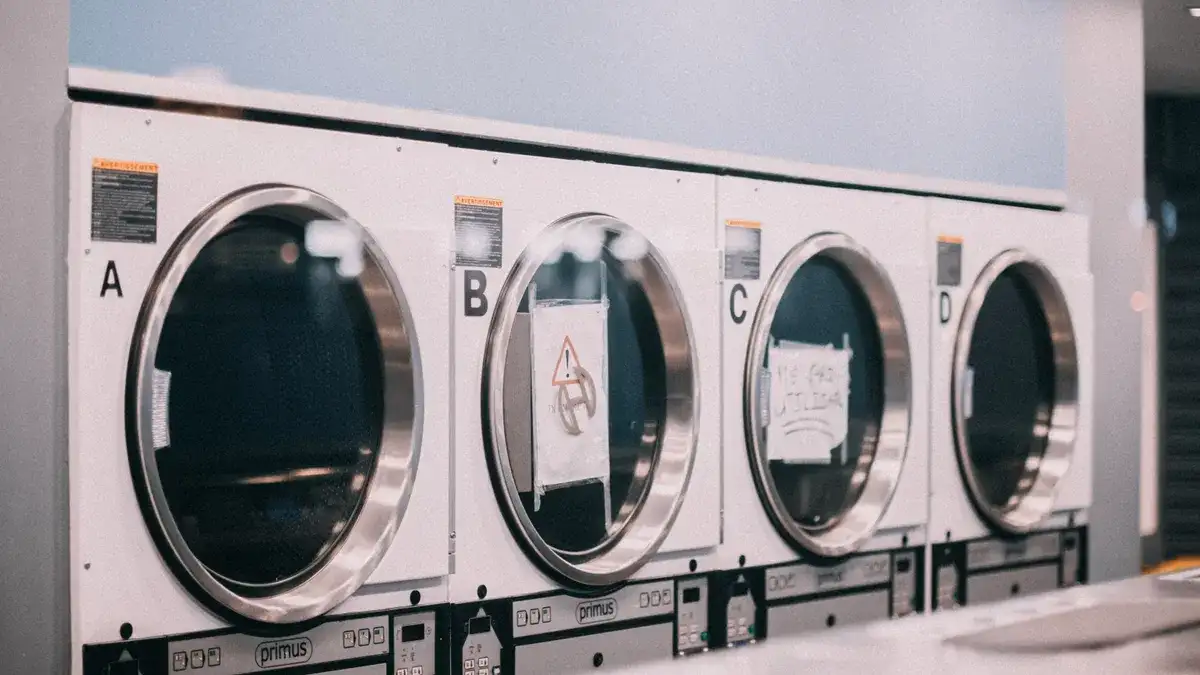
Laundromat dryers in a row
Last updated: November 18, 2026
Key Takeaways
- Choose the gentlest cleaning method that still leaves the cover clean.
- Wash pillow covers every 1 to 2 weeks if they are used nightly, and more often if you sweat, use face products, or have allergies.
- Mild detergent and low heat protect most covers better than harsher settings.
- Treat stains quickly before a full wash if the mark is oily, pigmented, or sticky.
Pillow cover care and maintenance: the complete guide starts with the basics, because the wrong wash cycle, bleach, or dryer heat can ruin the fabric fast. Wash by fabric, keep heat low, and treat stains before they set. The sections below settle what to do for cotton, linen, silk, velvet, and decorative covers.
I write textile-care guides for readers who want the cover to last more than a season, and the details below follow the care rules fabric mills and care-label standards rely on for pillow cover care and maintenance.
The care rule that saves the most covers

Picture this: you pull a cover off after a long week, and the zipper is full of lint, the seam is twisting, and the fabric looks dull near the fold line. The fix is usually not a miracle detergent. It’s sorting by fabric, using cold or cool water, and skipping harsh drying heat.
That one habit prevents a lot of damage, especially when it is matched to the label and the fabric. A 2020s care label is not decoration; it is the maker’s instruction set, and the symbols are based on recognized textile-care systems such as the ISO 3758 symbol standard. If the label says “dry clean only,” or shows a hand-wash symbol, treat that as the starting point, not a suggestion, and consult a professional if you are unsure.
The truth is, a pillow cover fails in boring ways first. Fibers weaken, dye fades, zippers snag, and shrinkage makes the insert fight the seam.
The first decision is fabric.
- Cotton and cotton blends can usually handle regular washing.
- Linen wants gentle handling and lower spin.
- Silk needs delicate care and low agitation.
- Velvet needs less friction and careful drying.
- Embroidered or beaded covers need the least abrasion of all.
Know what the label is really telling you
A care label gives you the rules for wash temperature, bleach use, drying, ironing, and professional cleaning. If one symbol is missing, do not guess a hotter setting to “get it cleaner.”
Here’s the catch:
- Machine wash symbols mean the fabric can take a washer, but not every cycle.
- Hand-wash symbols mean agitation is the risk.
- Do not bleach means chlorine bleach is off the table, and oxygen bleach is only safe if the label allows it.
- Tumble dry low is not the same as “normal.”
- Line dry is often the safer move for decorative fabrics.
If the label is gone, assume the most careful option. That is dull advice, and it saves money.
How often should you wash pillow covers?
Wash pillow covers every 1 to 2 weeks if they are used nightly, and more often if you sweat, use face products, or have allergies. That schedule keeps oils and skin debris from building up enough to stain the fabric or clog the weave.
Picture this: the cover looks clean, but the inside edge feels grimy and the zipper tape has gone gray. That happens because face oils and hair products collect where the fabric folds, not just on the front.
As a result, a regular schedule is easier than stain rescue. Once residue sets, you need stronger chemistry or more friction, and both shorten fabric life.
A practical wash schedule by use
Your routine should change with the room, the skin products you use, and how the cover is finished.
- Nightly bed use: wash about every week.
- Guest rooms: wash before and after guest stays.
- Decorative covers: wash every few weeks or when they look dusty.
- Kids’ rooms: wash more often if spills are common.
- Pet exposure: wash as soon as fur, saliva, or dirt shows up.
If someone sleeps with hair oil, retinol, moisturizer, or self-tanner, expect faster staining. Those products do not just sit on the surface; they work into the weave.
Signs you waited too long
These clues mean the cover is overdue:
- A dark ring near the face area
- A stiff feel after drying
- Makeup marks along the edge
- A sour or dusty smell
- Pillow fill that looks cleaner than the cover itself
If the cover is decorative and rarely touched, monthly care may be enough. If it carries skin oils, weekly care is safer.
Which wash method fits each fabric?

Use the gentlest method that still gets the fabric clean. Cotton tolerates machine washing best, silk and velvet need the most caution, and linen sits in the middle with a preference for cool water and low stress.
Picture this: you are standing at the washer with two covers in hand, one plain cotton and one shiny, textured fabric that wrinkles if you breathe on it. They do not belong in the same cycle.
Because different fibers react to friction, heat, and water weight in different ways, a single “normal” setting is fine for one cover and wrong for another.
Cotton covers
Cotton is usually the easiest. It can handle regular washing better than most decorative fabrics, and it tolerates stronger spin than silk or rayon.
Use:
- Cool to warm water if the label allows it
- Standard detergent in a normal amount
- Medium spin if the fabric is sturdy
- Low or medium dryer heat, or line dry
Watch for:
- Shrinkage in the first wash
- Dullness if bleach is overused
- Wrinkling from overdrying
Cotton blends are not always identical. A cotton-poly cover often resists wrinkles better, but the polyester side can hold heat marks if you dry too hot.
Linen covers
Linen is strong, but it creases easily and can tighten up if you beat it with heat. It usually does better with cool or lukewarm water, a gentle cycle, and low dryer heat.
Use:
- Gentle cycle
- Mild detergent
- Low spin if the cover is structured
- Remove while still slightly damp
Watch for:
- Sharp wrinkling from overload
- Rough hand if the wash is too hot
- Seam stress if the cover is wrung out
A linen cover that has decorative stitching deserves more care than a plain one. Embroidery threads can pucker if the fabric is stretched in wash.
Silk covers
Silk is the least forgiving. Agitation, heat, and alkaline cleaners can damage the sheen and weaken the fibers.
Use:
- Hand wash or machine-delicate only if the care label allows it
- Cool water
- Silk-safe detergent
- No bleach
- Air dry away from direct sun
Watch for:
- Water spots
- Loss of shine
- Dye bleeding
- Weakening at seams from wringing
If the label says dry clean only, do not improvise. Silk is expensive to replace for a reason.
Velvet covers
Velvet is a texture first and a cleaning problem second. The nap can crush, shine, or change direction if rubbed hard.
Use:
- Gentle cycle if the label permits
- Inside-out washing
- Low spin
- Air dry flat or hang carefully, depending on the construction
Watch for:
- Nap flattening
- Lint attraction
- Pressure marks from folding
- Water marks if it dries unevenly
Velvet that has trim, piping, or backing fabric may behave differently from the face fabric. The backing can shrink before the surface does.
Embroidered, beaded, or printed covers
These need the least friction possible. A machine wash can snag thread, loosen beads, or abrade printed surfaces.
Use:
- Mesh laundry bag
- Gentle cycle or hand wash
- Cold water
- No aggressive wringing
- Dry flat if the decoration is heavy
Watch for:
- Loose threads
- Missing beads
- Cracked print
- Distorted edges
If the cover has glued details, moisture can be a bigger problem than agitation.
What gets stains out without wrecking the fabric?
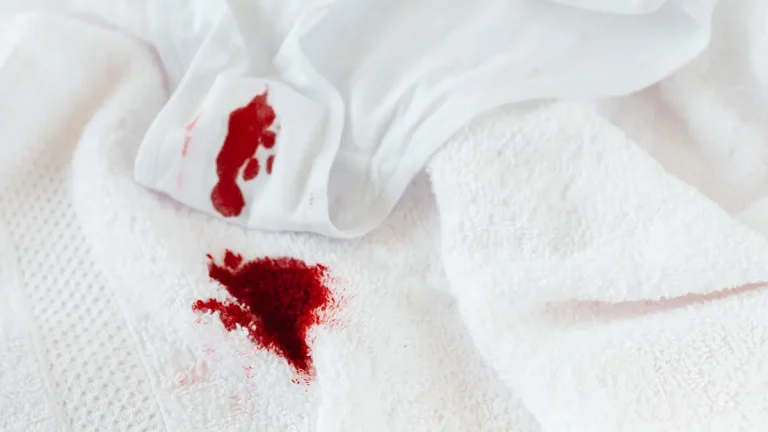
Treat stains fast, and do it before a full wash if the mark is oily, pigmented, or sticky. Blot first, test the cleaner on a hidden spot, and never rub a delicate face fabric hard.
Picture this: lipstick, sunscreen, or hair oil lands on the cover right before bed. If you rub, the stain spreads and the weave takes the hit. If you blot, you give the cleaner a chance to work.
Most stains on covers are ordinary household stains, so you do not need a strong chemistry set. You need the right sequence.
The safest stain order
- Blot the fresh spill with a white cloth or paper towel.
- Pre-treat the spot with a small amount of mild liquid detergent or a fabric-safe stain remover.
- Wait a short time so the cleaner can loosen the mark.
- Wash the whole cover according to the label.
- Check before drying. Heat can set the stain.
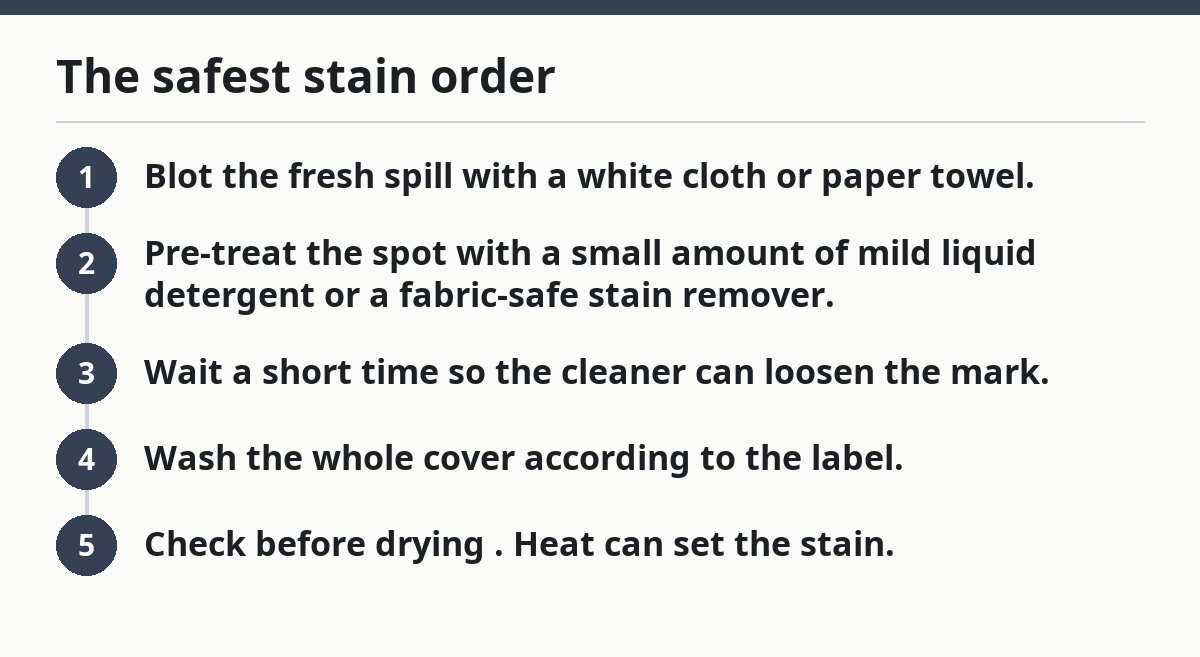
This works especially well on body oil, makeup, and food residue.
What to avoid
Do not use:
- Chlorine bleach on colored fabric unless the label allows it
- Hard scrubbing on silk or velvet
- Hot water on protein stains unless the care instructions say it is safe
- Dryer heat before the stain is gone
- Colored cloths that may transfer dye during spot cleaning
If the stain is set, repeat a gentle pre-treatment rather than escalating fast. Aggressive cleaning can leave a clean circle and a damaged ring around it.
Common stain types and the right move
- Oil-based stains: use a detergent or degreasing stain remover.
- Protein stains: use cool water first.
- Makeup stains: remove residue, then pre-treat.
- Ink: treat carefully and expect partial removal on delicate fabric.
- Mildew: wash promptly and dry fully afterward.
If a cover is silk or embellished, spot clean only where possible. A large stain may be better handled by a professional cleaner than by repeated home attempts.
Drying, ironing, and storage
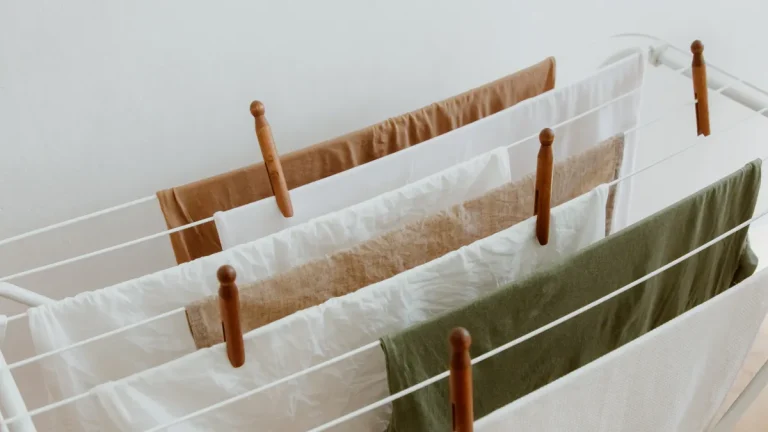
Drying is where a lot of good washing gets ruined. Low heat or air drying protects shape, color, and seams far better than a hot tumble cycle.
Picture this: the cover came out clean, but after the dryer it is tighter, shinier, and somehow smaller than before. That is shrinkage or heat damage, and it is often permanent.
Here’s the catch:
- Cotton can usually handle some tumble drying, but not endless high heat.
- Linen does better when removed slightly damp.
- Silk should air dry away from sun.
- Velvet should dry gently to protect the pile.
Best drying habits
Use these rules:
- Shake the cover out before drying.
- Close zippers so they do not catch.
- Turn the cover inside out if the surface is delicate.
- Use the lowest heat that gets the job done.
- Remove it before it is bone dry if the fabric wrinkles badly.
If line drying, keep the cover out of harsh direct sun for long stretches. Sunlight can fade dyes, especially on darker or richly dyed covers.
Ironing without damage
Iron only if the label permits it.
- Use the right heat for the fiber.
- Press on the reverse side when possible.
- Place a pressing cloth between iron and fabric for silk or printed covers.
- Avoid crushing velvet pile with direct heat.
Some fabrics look better with a steamer than an iron. Steam can relax wrinkles without flattening texture, but too much moisture can also leave marks on sensitive fabrics.
Storage that keeps covers fresh
Store clean, fully dry covers in a cool, dry place. A fabric bin, drawer, or shelf works better than a damp bathroom cabinet.
Use these storage habits:
- Fold loosely to avoid sharp creases.
- Keep them away from perfumes, cleaners, and humidity.
- Slip delicate covers into cotton storage bags if needed.
- Rotate seasonal covers so one set does not sit unused for a year.
If a cover smells stale in storage, air it out before use. Do not mask the odor with perfume; that can make the fabric harder to clean later.
How do you keep zippers, seams, and trim from failing?
Protect the hardware as much as the fabric. A good zipper, seam, or trim can fail in one bad wash if it snags, twists, or gets pulled under heavy load.
Picture this: the cover is clean, but the zipper pull has bent, the seam edge is fraying, or the piping has gone lumpy. That is often a laundry problem, not a manufacturing mystery.
The truth is, small parts take damage first. They are the edge of the battle.
Zipper care
Before washing:
- Zip the cover closed.
- If possible, turn it inside out.
- Put delicate covers in a mesh bag.
After washing:
- Check for sand, lint, or hair in the teeth.
- Pull the slider gently, not at an angle.
- If the zipper catches, stop and clear the obstruction before forcing it.
Metal zippers can scratch neighboring fabric. Plastic zippers can warp if dried too hot. Neither likes rough laundry loads.
Seam and trim care
Seams suffer when the washer is overloaded. A cover needs room to move. Stuffing too many items into one load creates twist and pull, and that shows up at the stitching line.
Trim care is simple:
- Keep trims out of harsh spin cycles when possible.
- Use a laundry bag for ornate covers.
- Avoid hanging heavy, wet trims by one corner.
- Dry flat if the edge decoration is weighty.
If the cover has buttons, ties, or fringe, those details need a lower-friction routine than a plain cover. They are not just decoration; they are failure points.
Signs the hardware needs attention
Look for:
- Loose threads at the corner
- A zipper that waves instead of lying flat
- Seams that pucker after washing
- Trim that curls or separates
- Snags on the inner seam allowance
Repair early. A few stitches now beat a torn cover later.
What do people get wrong most often?
The biggest mistake is treating every cover like plain cotton. That shortcut ruins delicate fabrics, shortens life, and makes stains harder to remove.
Picture this: you toss everything into one hot load, use too much detergent, and then wonder why the fabric feels stiff. The machine did what you told it to do.
Here’s what goes wrong most often:
- Too much detergent leaves residue and stiffness.
- Too much heat causes shrinkage and dye loss.
- Too much friction damages velvet, silk, and embroidery.
- Skipping pre-treatment lets stains lock in.
- Overloading the washer twists seams and trims.
Detergent mistakes
More soap is not better. Extra detergent can stay in the fibers and attract dirt faster. That is especially annoying on covers that touch skin every night.
Use the smallest amount that gets the load clean, and rinse well if the fabric feels coated after washing.
Bleach mistakes
Bleach is the fastest way to strip color or weaken the wrong fabric. Oxygen bleach can be useful on some washable cottons, but only if the care label allows it and the fabric is colorfast.
If the label says no bleach, do not substitute a stronger guess.
Heat mistakes
High dryer heat is a common shrink trap. It can also set wrinkles so deeply that ironing becomes the next damage source.
If you are unsure, dry cooler and slower. That rule is plain, and it works.
When should you stop DIY cleaning and call a pro?
Send a cover out when the fabric is dry-clean only, the stain is large and set, or the decoration is too fragile for home care. Silk, heavy embroidery, glued trim, and vintage fabrics are the main red flags.
Picture this: you are holding a cover that cost more than the insert and the care label is already telling you “dry clean only.” That is not a dare.
A professional cleaner can often save a piece that home washing would damage. That matters most when the cover is decorative or hard to replace.
Good reasons to skip home washing
- The label says dry clean only.
- The stain is old and unknown.
- The fabric is silk, rayon, or heavily embellished.
- The cover has glue-backed trim or appliqué.
- The color bled in a previous wash.
Bad reasons to skip home washing
Do not rush to a pro for:
- Light dust on a washable cotton cover
- A minor spot that has not set
- Routine refresh washing
If the fabric is stable and the label allows it, home care is enough. Save professional cleaning for the pieces with real risk.
The best routine for most homes
The simplest routine is also the one that lasts: weekly washing for sleep-use covers, cool water, mild detergent, low heat, and prompt stain treatment.
Picture this: you want the cover to look good, keep its shape, and stay pleasant against the face. That happens when you stop trying to make one method fit every fabric.
Choose cool water unless the label says otherwise. Use a gentle cycle for delicate fabrics. Keep a mesh bag on hand for zippers, embroidery, and trims. Dry with low heat or air dry, and check stains before they meet the dryer.
A plain-English care checklist
- Read the label first.
- Sort by fabric, not by color alone.
- Pre-treat spots before washing.
- Use mild detergent.
- Avoid overload in the washer.
- Dry gently.
- Store only when fully dry.
If you do only those things, most covers will last far longer than the average “wash it like anything else” approach.
FAQ
Can I wash pillow covers with sheets?
Yes, if the fabrics need the same water temperature and drying level. A cotton cover can usually go with cotton sheets, but delicate fabrics should not share a load with heavy towels or rough textiles. Mixing them creates extra friction, and that is hard on seams and trims.
Should I wash pillow covers inside out?
Yes, for many covers that is the safer choice. Turning them inside out protects printed faces, embroidery, and surface texture from friction in the washer. It also helps zipper pulls and decorative edges avoid direct abrasion.
Can I put pillow covers in the dryer?
Yes, if the care label allows tumble drying. Use low heat for most covers, and avoid high heat on linen, silk, velvet, and embellished fabrics. If the cover wrinkles badly or shrinks easily, air drying is the safer route.
How do I keep pillow covers from fading?
Wash in cool water, use gentle detergent, avoid bleach unless the label allows it, and keep them out of strong sun while drying. Dark dyes fade faster when exposed to heat and direct light, so low heat and shade help preserve color.
What if the pillow cover still smells after washing?
Wash it again with the right detergent amount and make sure it dries fully. A lingering smell often comes from residue, body oils, or trapped moisture. If the odor stays after a proper wash and full dry, the fabric may need a stronger pre-treatment or professional cleaning.
Drafted with AI; not yet reviewed by a person.
About the Author