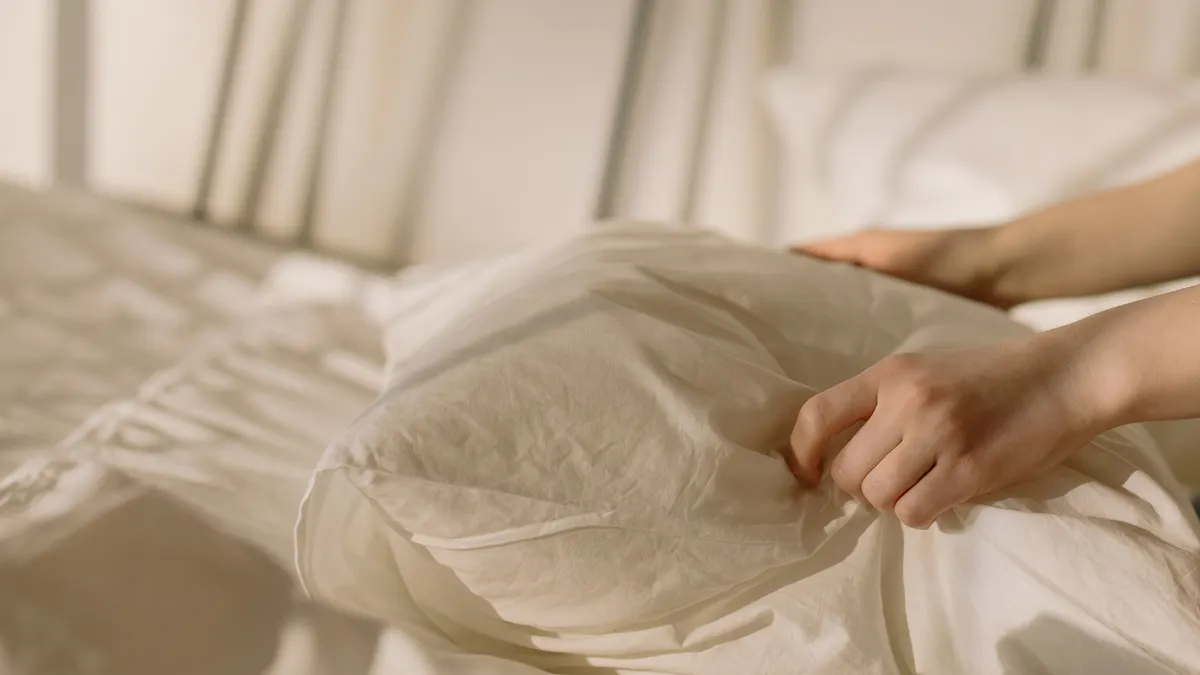
Hands fitting a pillow into a pale pillow cover
Last updated: November 18, 2026
Key Takeaways
- Choose easy-care fabric, a calm color, and a closure that stays shut with less fuss.
- Guest room pillow covers should look calm, wash well, and create less upkeep than decorative covers.
- Pick fabric based on turnover frequency, not only on how it feels in the package.
- White and other neutral tones are usually the easiest choices because they match most rooms and simplify replacement.
Guest room pillow covers for How to Choose Pillow Covers for a Guest Room or Vacation Rental need to look clean, wash easily, and hold up to frequent turnover. Cotton or polyester in white or neutral tones with zipper closures is a practical starting point for many rooms. The sections below settle what to buy, what to skip, and how to keep spare covers moving through a guest room or vacation rental.
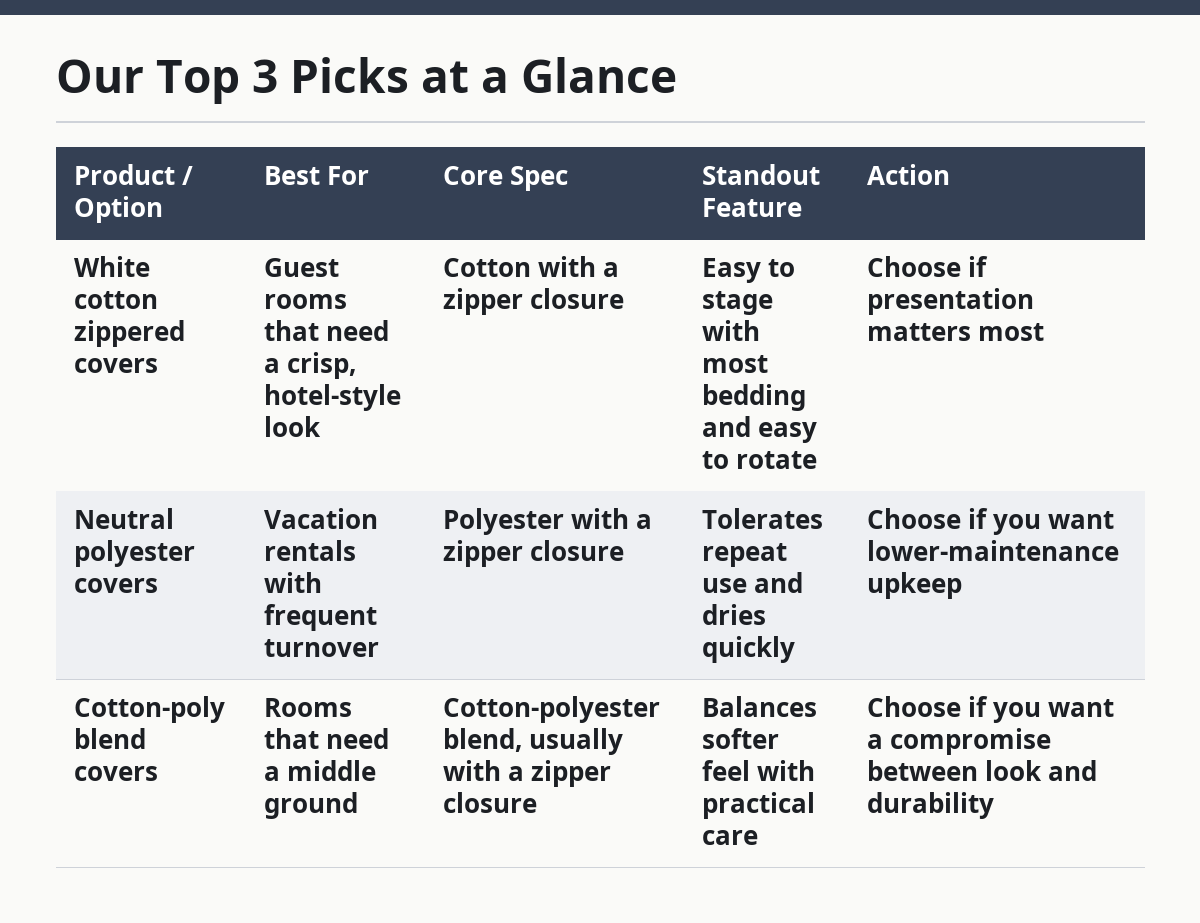
Our Top 3 Picks at a Glance

| Product / Option | Best For | Core Spec | Standout Feature | Action |
|---|---|---|---|---|
| White cotton zippered covers | Guest rooms that need a crisp, hotel-style look | Cotton with a zipper closure | Easy to stage with most bedding and easy to rotate | Choose if presentation matters most |
| Neutral polyester covers | Vacation rentals with frequent turnover | Polyester with a zipper closure | Tolerates repeat use and dries quickly | Choose if you want lower-maintenance upkeep |
| Cotton-poly blend covers | Rooms that need a middle ground | Cotton-polyester blend, usually with a zipper closure | Balances softer feel with practical care | Choose if you want a compromise between look and durability |
Picture this: you’re setting up a spare room or short-term rental, and the covers need to look clean on day one and still make sense after the third guest change. The answer is to choose easy-care fabric, a neutral color, and a closure that stays shut without fuss.
What makes a guest room pillow cover different?
Guest room pillow covers should look calm, wash well, and hide less drama than decorative covers. That means plain colors, practical fabric, and a closure that won’t snag the moment someone changes sheets in a hurry.
The best choice for a guest room is often white pillow covers or another neutral tone, because they match nearly any duvet, blanket, or mattress setup. They also make it easier to swap out worn pieces without making the room look mismatched. If the room sees a lot of turnover, a synthetic or blended cover often holds its shape better between washes than a delicate fabric.
Here’s the catch: guest-room use is not the same as everyday home use. A family bedroom can tolerate more fussy fabric care, but a vacation rental needs covers that can go through repeated laundering and still look neat. A beautiful cover that needs special handling is a bad fit here.
- Choose cotton if you want a familiar, breathable feel and a clean look.
- Choose polyester if you want a more practical cover that can handle frequent use.
- Choose a blend if you want a middle path between the two.
- Skip fabrics that wrinkle badly if the room must look made-up fast.
One more practical detail matters: a zipper closure can keep the cover flatter than a loose envelope style. That matters when the room is meant to look finished with minimal effort.
How should I pick fabric for a guest room or vacation rental?
Pick fabric based on how often the room turns over, not just how it feels in the package. Cotton gives a softer, more natural hand, while polyester usually offers more day-to-day practicality for rental use.
Picture this: you’re pulling bedding after checkout and want the covers back on the pillows without a lot of tugging, ironing, or second-guessing. Fabric choice decides whether that job takes minutes or becomes a chore.
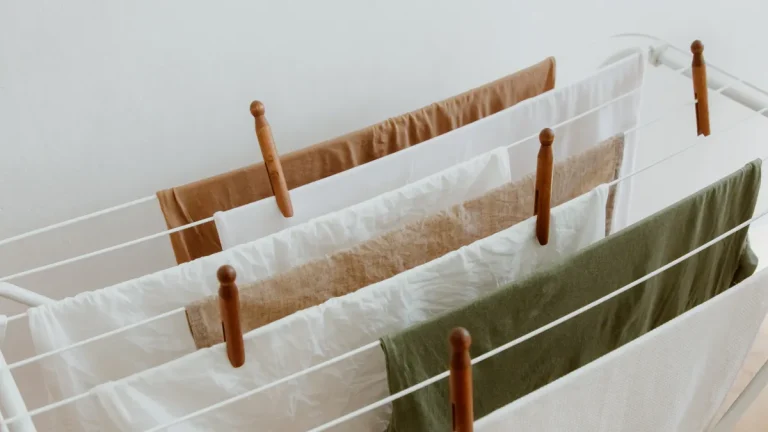
If the room is a formal guest room used only a few times a year, cotton covers are a strong default. They tend to feel familiar and look good in a room meant to seem welcoming. If the room is a vacation rental or a spare room with frequent visits, polyester covers are easier to keep in circulation because they are built for repeat use and faster turnaround.
A cotton-poly blend can work well when you want a little softness without giving up too much durability. That compromise makes sense in mixed-use rooms, especially if you keep a few spare sets on hand.
- Cotton: better for a softer, more classic feel; can wrinkle more.
- Polyester: better for frequent turnover; can feel less natural.
- Blend: useful when you want a middle-ground option for a shared-use room.
You do not need a luxury fabric to make a room feel neat. You need one that comes back from the laundry in good shape and still looks presentable on the bed. That is a different standard.
What color looks best without causing more work?
White and other neutral tones are the easiest choices because they match almost any room and make replacement simple. If you want the least visual friction, keep the palette plain and let the bedding do the rest.
Picture this: the room already has different sheets, a spare blanket, and a mix of lamps or frames. You do not want the cover to compete with any of it. A neutral cover disappears into the room and makes the whole setup look intentional.
White pillow covers are the most straightforward option for guest spaces because they feel clean and hotel-like. They also make it easier to spot wear, which helps in a rental where damaged items need to be replaced before the next stay. If white feels too stark, choose neutral tones like cream, beige, soft gray, or stone.
On the flip side, patterned or loud covers are harder to keep coordinated when the rest of the bedding changes. They can also date a room quickly. That is a bad trade when you want one setup to work across seasons.
- Use white for the most flexible, crisp look.
- Use off-white or beige if you want warmth without visual clutter.
- Use soft gray if the room has cooler bedding or darker furniture.
- Skip strong patterns unless the rest of the room is already built around them.
A plain cover is not boring in a guest room. It is insurance against mismatch.
Which closure holds up best in a shared room?
A zipper closure is often the best choice because it keeps the cover closed, looks tidy, and makes the pillow feel finished. For guest rooms and rentals, that simple closure style beats anything loose or fussy.
Picture this: you make the bed in a hurry, smooth the corners, and want the cover to stay put after several guests or repeated fluffing. A zipper closure is the most practical answer. It keeps the insert inside, avoids the open flap look of some envelope styles, and gives the room a cleaner edge.
That said, closure quality matters. A weak zipper can snag, separate, or catch during laundering, which creates more replacement work later. If the zipper is flimsy or poorly sewn in, the cover may not survive the same cycle as the rest of the bedding.
- Choose a zipper that lies flat and closes fully.
- Check that the seam around the zipper looks reinforced, not thin.
- Avoid closures that leave the pillow visibly open on one side if the room needs to look polished.
- Keep at least one spare set so a broken closure does not strand the room.
The truth is, a guest room cover should not need a complicated closure. A simple zipper is enough, and in shared spaces it is often the right call.
How many covers should you buy for turnover?
Buy enough covers to keep one set in the room and one set ready to rotate. In a vacation rental, that spare inventory matters more than a decorative extra, because laundry timing can slip.
Picture this: a guest checks out late, the next guest arrives early, and the washer is still running. That is where replacement planning saves the day. A room that sees frequent use needs backup covers so the bed can be reset without waiting on a full wash-and-dry cycle.
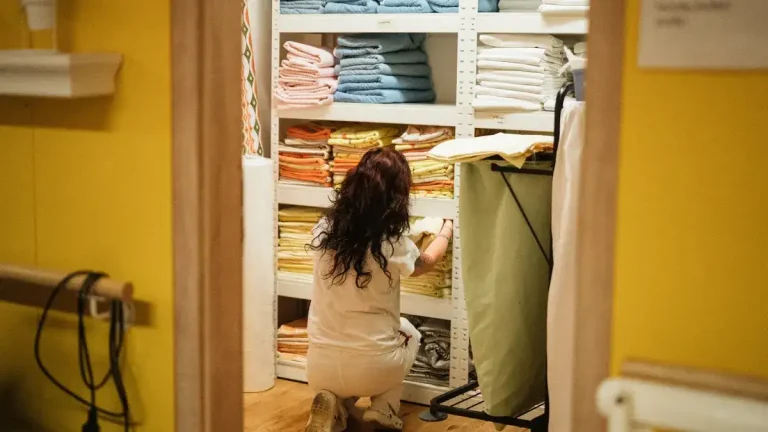
For a simple guest room, a basic spare set is often enough. For a vacation rental, keep more than one backup if turnover is tight. That way, one set can be on the bed, one in the wash, and one waiting clean and folded.
A simple buying routine for guest room pillow covers
- Measure the insert first. Match the cover to the pillow size so it sits flat instead of baggy or overstuffed.
- Choose the base fabric. Use cotton for a classic guest room or polyester for a high-turnover rental.
- Pick a neutral color. White or another calm tone keeps the room easy to reset.
- Check the closure. A zipper closure should run smoothly and stay flat when closed.
- Buy a spare set. Keep enough covers to cover delays in laundry or replacement.
- Inspect the seams. Reinforced stitching helps the cover survive repeated use.
- Stage the backup set. Store it folded with sheets so it is ready when the room turns over.
You do not need a huge stack of extras. You do need enough to avoid a last-minute scramble.
What should you skip in a guest room?
Skip delicate, high-maintenance, or overly decorative covers if the room is meant to serve strangers, relatives, or short-term guests. A cover that looks pretty but creates work is the wrong tool for this job.
Picture this: you are replacing bedding after a stay and notice the covers need special washing, careful drying, or a lot of smoothing. That is not a guest-room win. It slows turnover and makes the room harder to keep ready.
Avoid covers that wrinkle heavily if you want a neat bed with less effort. Skip novelty colors that clash with different sheets, because they lock the room into one narrow look. Also skip closures that feel fragile, since shared-use bedding gets more handling than most home bedding.
- Skip thin fabric that shows wear quickly.
- Skip loud prints if the room needs to work across different seasons or guests.
- Skip weak seams and flimsy zipper tape.
- Skip anything that needs fussy handling to look acceptable.
A guest room or vacation rental does not need the fanciest cover on the market. It needs one that stays presentable after use, launders without drama, and does not force the rest of the room into a styling corner.
What should a room owner look for before buying?
Look for a cover that balances appearance, care, and repeat use, then buy the same style again if it works. That is the simplest way to keep a guest room consistent without overthinking it.
Because the first good set can become the standard, standardizing on one style keeps replacements easier and turnover more predictable. That matters in rentals, where consistency keeps the setup easier and replacements less confusing.
For broader shopping advice across home textile choices, the pillow cover shopping and buying decisions hub can help connect this choice to the rest of the bedding plan. For related room-planning guidance, see the guest room bedding checklist, vacation rental linen guide, and how to choose pillow inserts. This page’s job is narrower: pick the cover that will survive guest use and still look ready.
Use a short checklist before checkout:
- Fabric: cotton, polyester, or a blend
- Color: white or another neutral tone
- Closure: zipper closure
- Use case: guest room or vacation rental
- Spare plan: at least one backup set
According to the U.S. Consumer Product Safety Commission, bedding should be used with care around children, and zipper integrity matters when seams are under repeated stress. For laundry care and fiber behavior, the Cotton Incorporated care guidance and polyester care recommendations from fabric-care sources both point to simpler maintenance for everyday use. If the room is used often, choose the option that is easiest to replace and easiest to keep neat. If the room is used rarely, you can lean a little more toward feel. Either way, the best guest room pillow covers are the ones that make the room look ready without creating more work than they save.
Drafted with AI; not yet reviewed by a person.
About the Author